Asian stocks fall as $100 oil and tech selloff hit sentiment
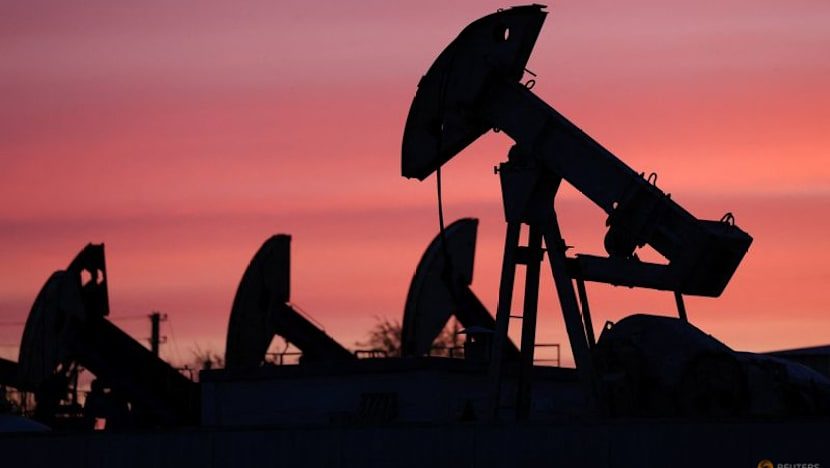
A surge in Brent crude above $100 triggered rate-hike repricing and compounded investor anxieties over the profitability of massive artificial intelligence spending, dragging Asian equities lower.
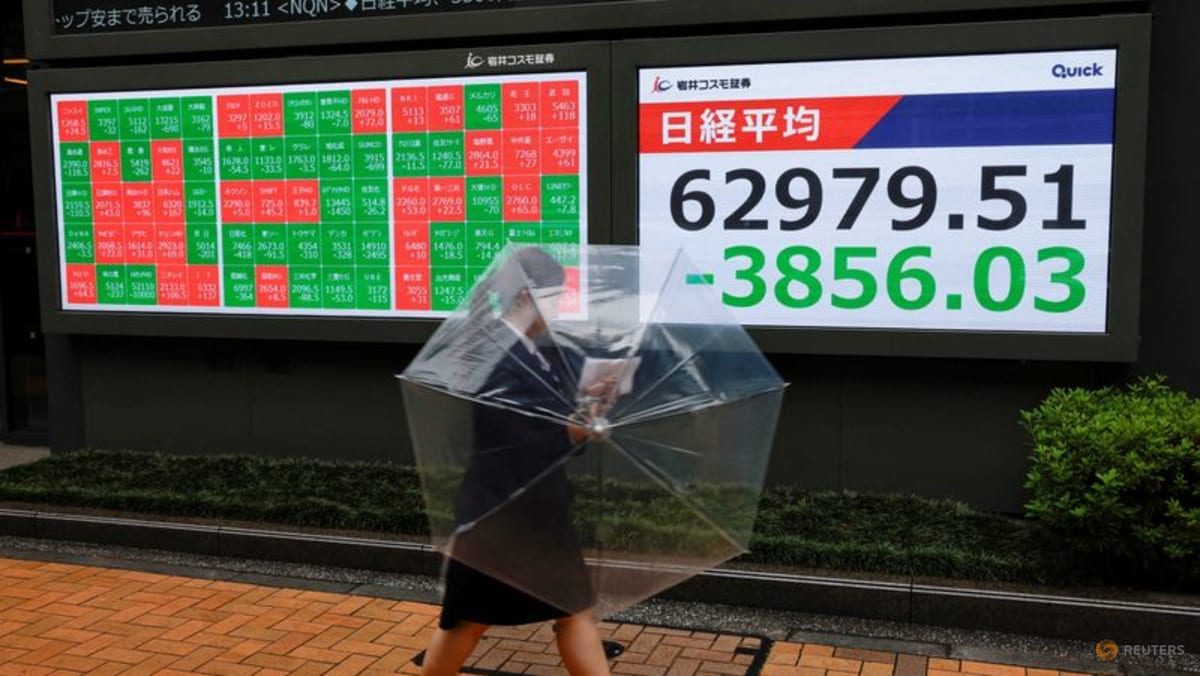
The MSCI Asia Pacific Index fell 0.8% on Friday, tracking a sharp overnight retreat on Wall Street where the S&P 500 dropped 1.2% and the Nasdaq 100 lost 1.9%. The risk-off move was driven by a perfect storm of rising energy costs and growing scepticism toward the technology sector.
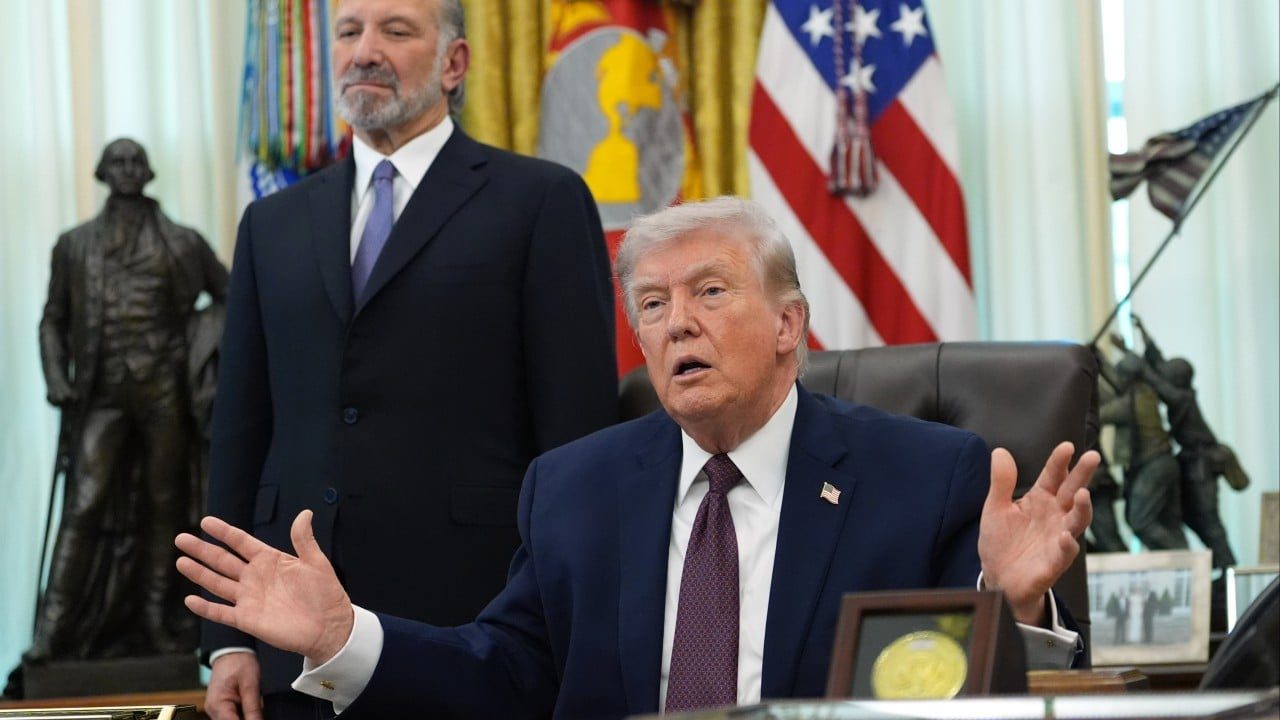
Brent crude held above $100 in early Asian trading, marking its highest level since May. The price spike followed threats from US President Donald Trump to escalate the conflict with Iran after Houthi militants attacked two Saudi oil tankers in the Red Sea. Further supply risks emerged from attacks on the Caspian Pipeline Consortium terminal on Russia’s Black Sea coast, a critical route for Kazakhstan’s crude exports.
Depleted global inventories have left the market highly vulnerable to a supply squeeze. The energy shock immediately reshaped fixed-income and currency markets, pushing Treasury yields higher and lifting the dollar. Money markets are now fully pricing in a Federal Reserve interest-rate increase by September, while European Central Bank President Christine Lagarde laid the groundwork for a similar ECB hike after holding the deposit rate at 2.25%.
Geopolitical analysts warn the energy market faces prolonged volatility. “Round 2 of the military conflict is going to be broader than Round 1,” said Bob McNally, president of Rapidan Energy Group and a former White House official. “The risks are great, not only to shipping, but also to energy infrastructure.”
Simultaneously, investors are aggressively pruning exposure to megacap technology stocks, demanding proof that massive artificial intelligence expenditures will translate into earnings. A gauge of megacap stocks suffered its worst session since the April 2025 tariff-driven rout.
Alphabet fell 7.1% after raising its capital expenditure forecast, while Tesla tumbled 15% as profits disappointed despite robust electric-vehicle deliveries. The market reaction highlights a sudden intolerance for spending without immediate financial returns, especially after Meta Platforms, Microsoft and Amazon signalled combined AI investments of up to $725 billion this year.
Traders are cautiously watching whether this marks a broader turning point for the sector. “It’s still early, and we’ll see more earnings from the hyperscalers next week,” said Matt Maley, chief market strategist at Miller Tabak. “So, we cannot declare that they are seeing the same kind of negative reaction to their earnings reports as the chip stocks, but this action does raise more concerns about this ‘sell the news’ issue.”
Elsewhere, gold dropped almost 2% to roughly $4,050 an ounce as rising rate expectations dulled its appeal. The yen held at 163.83 per dollar after Japanese inflation accelerated for the first time in three months, keeping the Bank of Japan on track for another rate hike. In trade policy, the US announced duties of 10% to 12.5% on most major trading partners, its largest step yet to rebuild a tariff wall previously struck down by the Supreme Court.