Lithium sinks to five-month low as mine supply surges

Lithium prices have dropped nearly 30% from May peaks as traders front-run a wave of mine restarts, creating a stark disconnect with currently robust demand from electric vehicle and AI data center sectors.
The most active lithium carbonate contract on the Guangzhou Futures Exchange fell to 136,800 yuan ($20,210) per tonne on Wednesday. This represents a nearly 30% drop from mid-May multi-year highs, driven by futures traders aggressively pricing in a looming supply surplus.
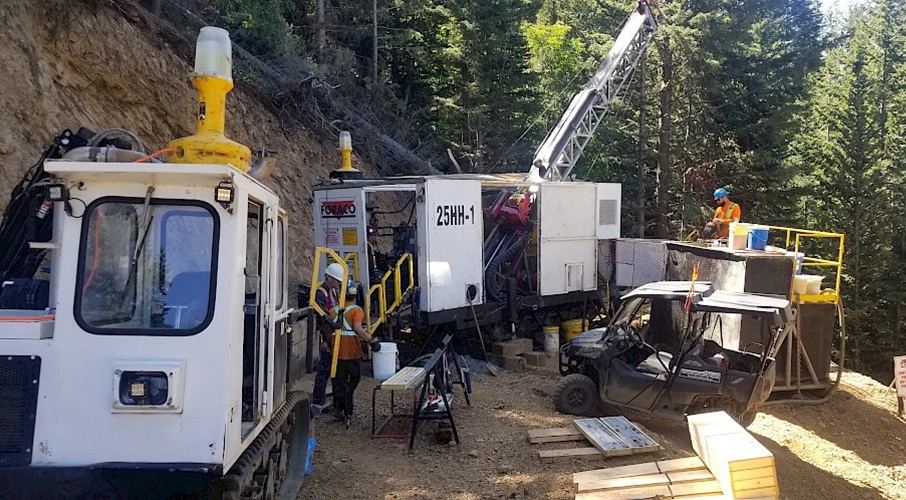
The immediate trigger for the sell-off is the physical return of idled capacity. Contemporary Amperex Technology Co. (CATL) secured a safety production permit last month for its Jianxiawo mine in Yichun. The permit clears the final hurdle to restart production after an August 2025 suspension tied to a broader regulatory crackdown on environmental compliance. The project holds an estimated 960 million tonnes of porcelain stone ore and can produce up to 150,000 tonnes of lithium carbonate equivalent annually. At full tilt, it represents roughly 3% of global output and up to 10% of China's domestic supply.
Australian producers are compounding the downward pressure. Mineral Resources restarted its Bald Hill mine in May, reversing a November 2024 decision to place the 165,000-tonne-per-year operation on care and maintenance. The company also brought its jointly owned Wodgina mine back online, adding up to 828,000 tonnes of spodumene concentrate capacity. Mineral Resources and Ganfeng Lithium are further spending A$490 million to expand Mt Marion by 100,000 tonnes annually.
Separately, Core Lithium ended a two-year hiatus at its Finniss operation in May, backed by a $290 million financing package involving Glencore Australia, InfraVia Capital and Nebari Holdings. The open-pit mine targets a nameplate capacity of 214,000 tonnes per annum by mid-2028.
This returning capacity marks the start of a multi-year supply wave. Global production is forecast to hit 2.16 million tonnes in 2026, a 26% year-on-year increase, before accelerating to 4.02 million tonnes by 2029.
Yet the sharp price decline fundamentally clashes with current demand indicators. Electric vehicle sales are projected to reach 23 to 24 million units this year, accounting for over 70% of total battery deployment and nearly 30% of all new car registrations globally.
A secondary demand driver is emerging rapidly in the technology sector. Tech companies building artificial intelligence data centers are installing utility-scale battery storage to bypass years-long grid connection delays. Global battery energy storage systems capacity surged 40% last year to a record 108 to 112 gigawatts, with utility-scale deployments accounting for 80% of those additions.
For market participants, the current price action highlights a structural disconnect. Traders are heavily discounting the commodity based on projected output growth through the end of the decade. This creates potential volatility if near-term EV and data center demand continues to absorb available stock faster than newly restarted mines can reach full capacity.