UK gas supply risk grows as Centrica sets Rough closure date
Centrica will shut Britain's largest gas storage facility next April unless the government underwrites a £2bn expansion, forcing a rapid policy response to prevent winter price spikes and a looming 2030 supply crunch.
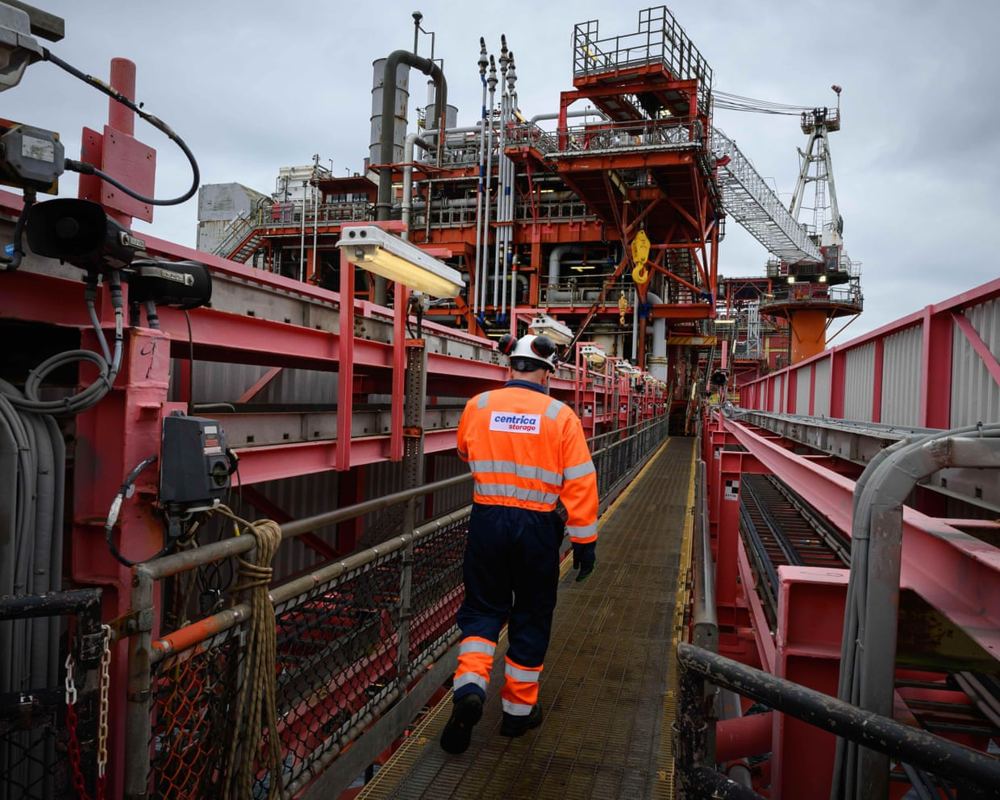
Centrica has set an April deadline to close its Rough gas storage facility off the coast of Yorkshire unless it secures a long-term financial support deal from the government for a £2bn expansion. The owner of British Gas is already refraining from injecting gas into the site for the coming winter.
The move escalates pressure on Energy Secretary Miatta Fahnbulleh to address the UK's shrinking gas buffer. “I think this [Rough] is essential for the UK energy security,” said Centrica chief executive Chris O’Shea on Thursday. “I think it would not be good if this was to be allowed to close, and that’s why it’s really a decision for government now. What we hear a lot is that this is a commercial decision for Centrica. That is patently not true.”
O’Shea’s argument is grounded in the facility's volatile economics. Storage models depend on exploiting the price spread between summer and winter, but those gaps have narrowed. While geopolitical disruption in the Strait of Hormuz helped Rough generate a £57m top-line profit in the first half of the year, the facility lost nearly as much last year. Such volatility does not justify a £2bn capital outlay without a regulated return.
The immediate market concern is this winter. Continental European storage, which Britain typically taps during cold months, is projected to be low following the Hormuz disruption. A fully stocked Rough could help dampen expected price spikes, forcing Fahnbulleh to weigh a short-term subsidy against the risk of broader market volatility.
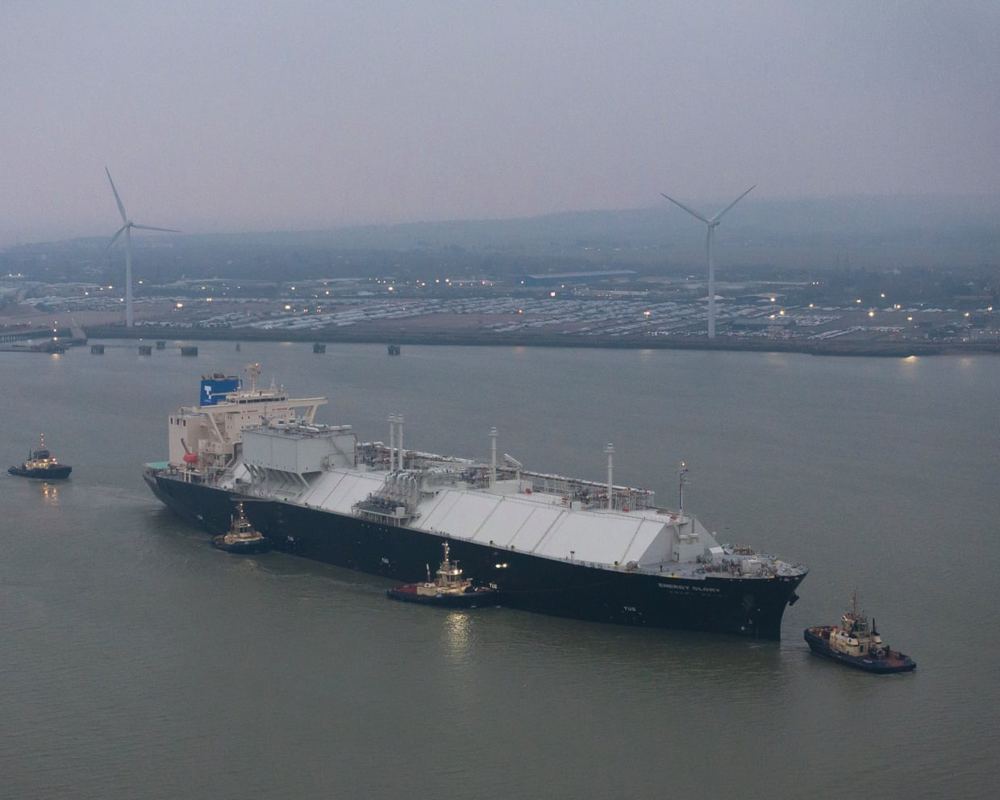
The longer-term outlook presents a more systemic risk. The National Energy System Operator (Neso) recently warned of an "emerging risk" to gas supplies at the turn of the decade. “In the unlikely event of the loss of the single largest piece of gas infrastructure, gas supply falls short of demand for all pathways in 2030-31,” the report stated, highlighting the vulnerability of critical assets like the 725-mile Langeled pipeline from Norway.
Gas still accounted for 35% of the UK’s total energy demand in 2024, and 24m households remain connected to the gas grid. An interim government response to its "gas system in transition" review is due in weeks. Policymakers must decide whether to back Rough, which industry insiders describe as “a big balloon with a small straw” due to its slow extraction rates, or pivot to alternatives like onshore salt caverns, additional liquefied natural gas import terminals, or expanded continental interconnectors. North Sea production, including the pending Jackdaw field which would represent 6% of domestic output, also remains a critical piece of the supply puzzle.