Robinhood CEO X account hacked to promote memecoin scam
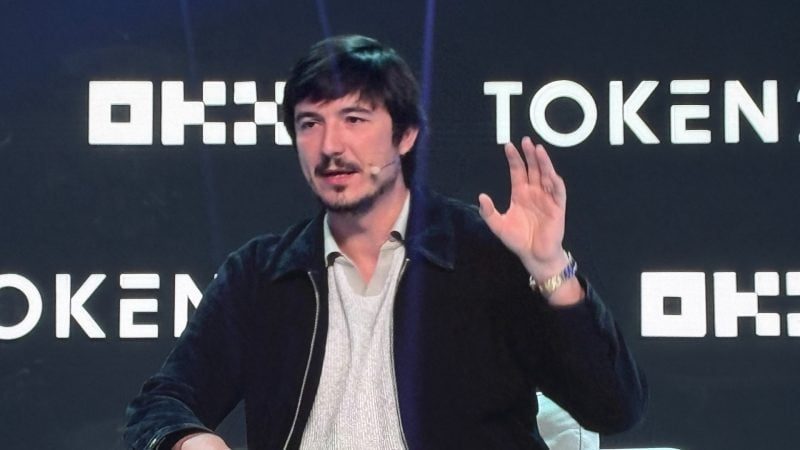
The compromise of Vlad Tenev's social media account to push a fraudulent token highlights the speculative, high-risk nature of the trading volume on the newly launched Robinhood Chain.
Robinhood CEO Vlad Tenev had his X account compromised on Thursday by attackers who used the platform to promote a fraudulent memecoin. The unauthorized post, sent around 17:24 UTC, falsely claimed that a token called Vladhood ($VLAD) would serve as the "official Robinhood chain mascot" and would soon be listed on the Robinhood app. The message included a contract address beginning with 0x92d. Robinhood confirmed the breach on July 23, 2026, noting the post was removed and that the company is working with X to restore access.
The scam token’s contract address was traced to a deployer identified as PonsLaunchFactory, accumulating roughly 1,868 transactions before being flagged as a "potential scam" by Robinhood Chain's own blockchain explorer. The official corporate communications account for Robinhood, as well as the dedicated Robinhood Crypto account, did not publish the fraudulent announcement. For active market participants, this discrepancy should have served as an immediate red flag, yet the incident highlights how social media credibility is routinely weaponized in digital asset markets.
The breach draws sharp attention to the underlying trading dynamics of Robinhood Chain since its launch on July 1. Built as an Ethereum Layer 2 utilizing the Arbitrum Orbit stack, the network has rapidly emerged as a major hub for memecoin speculation. The chain is currently processing roughly 6 million transactions daily, a volume that signals intense retail engagement.
According to analysis from Entropy Advisors, cumulative decentralized exchange volume on the network has reached approximately $9 billion, primarily driven by high-risk memecoins like Cashcat. Tenev has openly acknowledged this ecosystem split, previously posting that "while we’re building Robinhood Chain to be the best chain for RWA … it works great for memes too."
For institutional investors and market professionals, the hacking incident underscores the frictionless but dangerous environment of newly launched Layer 2 networks. While Robinhood brings a massive mainstream retail user base to crypto infrastructure, the current on-chain activity is dominated by the same speculative, low-barrier token launches that characterize less regulated networks.
Exploiting a chief executive's verified identity to legitimize a scam token illustrates the persistent security and compliance risks tied to this growth model. As Robinhood Chain scales, the prevalence of these high-risk assets raises questions about the long-term sustainability of its transaction volume and the potential for retail financial harm on a platform traditionally associated with straightforward equity investing.