Mubadala closes $900m Brazil fund, targets medical schools
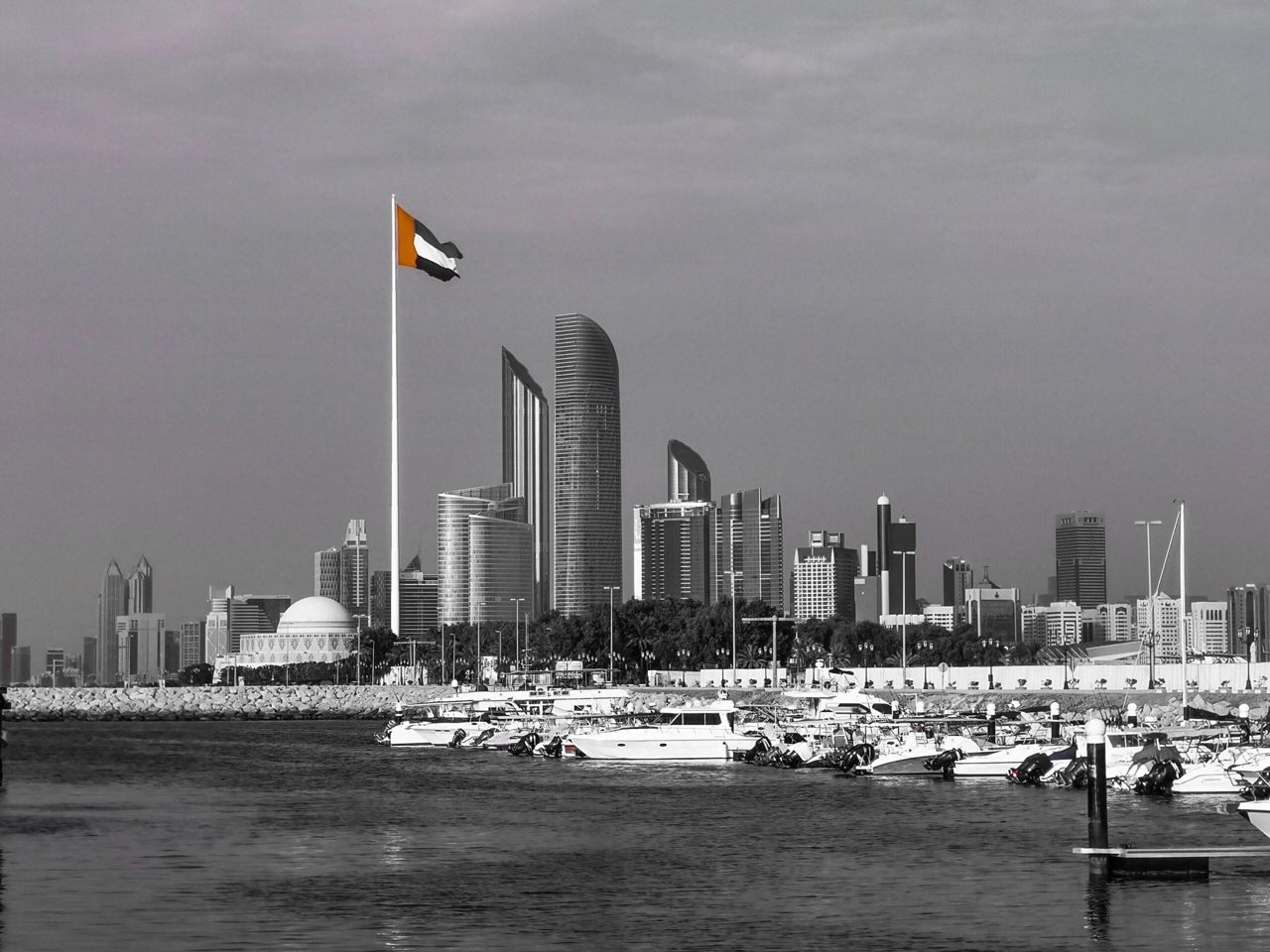
Abu Dhabi’s Mubadala Capital has closed a $900 million special-situations fund to buy distressed Brazilian assets, signalling that Gulf capital is now a structural force in the country’s private markets.
Mubadala Capital closed its third Brazil-dedicated fund in April 2026 at roughly $900 million, comfortably overshooting a $750 million target. The Abu Dhabi sovereign wealth fund’s asset-management arm anchored the vehicle with $250 million, drawing the remainder from international pension funds and family offices. Around a third of the capital is already committed, with an early target being a medical university.
The vehicle operates as a special-situations fund, buying undervalued or capital-starved Brazilian companies on the cheap and holding them to fix their operations. Brazil’s macroeconomic environment, marked by years of high interest rates, a weak currency and tight domestic credit, has created a deep inventory of these troubled but fundamentally sound businesses.
Medical education has emerged as a prime hunting ground for this strategy. The federal government tightly caps the number of licensed medical-school seats, keeping tuition high and demand constant. For long-horizon investors like sovereign wealth funds, a regulated medical seat functions as a protected annuity that is nearly impossible for competitors to replicate.
Mubadala has already built a small platform in the sector. Since 2022, it has controlled two medical schools in Bahia, Medicina UniFTC Salvador and Unesulbahia, which teach roughly 2,000 students, alongside the Imepac university centre in Minas Gerais. The new acquisition would expand this portfolio, fitting a pattern of buying unglamorous, cash-generating businesses designed to be held for years rather than months.
The education fund is a fraction of Mubadala’s wider Brazilian presence, which totals about $7.3 billion across education, energy and infrastructure. Its best-known asset is the Acelen refinery in Bahia, and it is currently building a rival to the dominant B3 stock exchange while seeking to sell Rio de Janeiro’s metro concession.
For markets, the fund’s oversubscription signals that Gulf capital is now a permanent feature of Brazilian dealmaking rather than a temporary visitor. Funds from Abu Dhabi, Saudi Arabia and Qatar are increasingly deploying capital into Latin American hard assets to secure returns they struggle to find at home. However, it also concentrates control of strategic sectors, from transport infrastructure to the training of doctors, in the hands of foreign owners answerable to Gulf capitals rather than Brasília.