Panama Pushes $3.3B Debt Maturities to 2031 at Fixed Rates
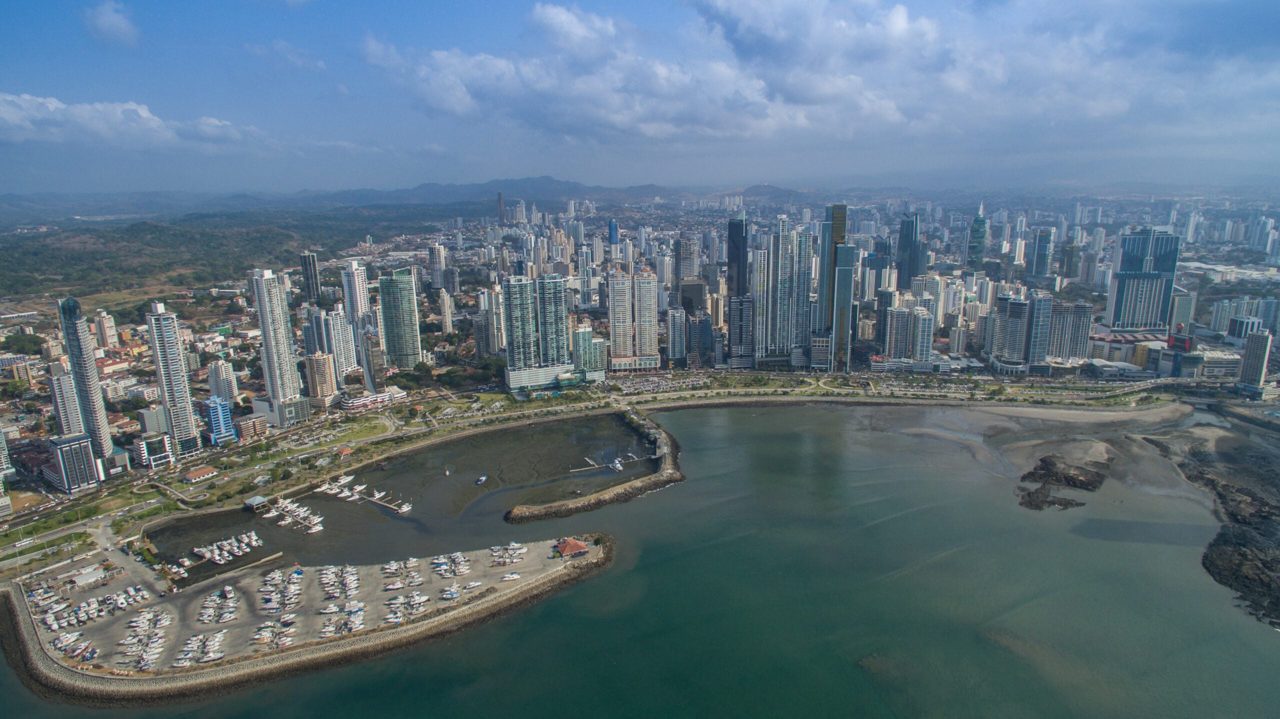
Panama has extended EUR 2.9 billion in sovereign debt maturities to 2031 at fixed rates below 5%, reducing near-term refinancing risk as the government leverages record canal revenues to stabilize its fiscal position.
Panama has completed a EUR 2.9 billion sovereign refinancing, pushing principal repayments out to 2031. The operation repays roughly EUR 2.4 billion of existing obligations ahead of schedule and injects EUR 500 million in fresh funding for the 2026 budget.
The government split the financing across two fixed-rate tranches arranged by global banks. Santander underwrote a EUR 1.2 billion portion at 4.83%, while Bank of America/Merrill Lynch managed a EUR 1.7 billion tranche priced at 4.67%.
Locking in sub-5% fixed rates shields the sovereign from future interest rate volatility and removes immediate rollover pressure. The transaction complements a $3 billion dual-tranche bond sale completed in February 2026, the country's first international issuance under President José Raúl Mulino. Taken together, these deals show a deliberate strategy to reshape Panama's debt profile and keep multiple funding channels open.
This liability management is underpinned by the financial performance of the Panama Canal. Toll revenue hit a record $4,802 million for the first nine months of fiscal year 2026, a 17% year-on-year increase. Net profit climbed 19% to $3,614 million over the same period.
Higher container-ship and liquefied petroleum gas carrier traffic drove a 5.2% rise in total transits. Because the Panama Canal Authority pays significant dividends directly to the central government, this revenue stream is a critical input for sovereign debt sustainability.
Despite the extended maturities, the refinancing does not resolve Panama’s underlying fiscal deficit, and the new financing adds to the total debt stock. Rating agencies have previously flagged concerns about the country's liquidity. Sustained fiscal discipline will be required to translate record canal revenues into a stable credit outlook.
For international investors, the successful placement with major banks signals that lenders still view Panama’s long-term credit fundamentals as intact. However, the government's ability to balance volatile global trade flows against domestic spending pressures will dictate whether this refinancing provides a permanent fix or merely a temporary reprieve.