Thailand weighs $700m EV stimulus to rescue auto sector
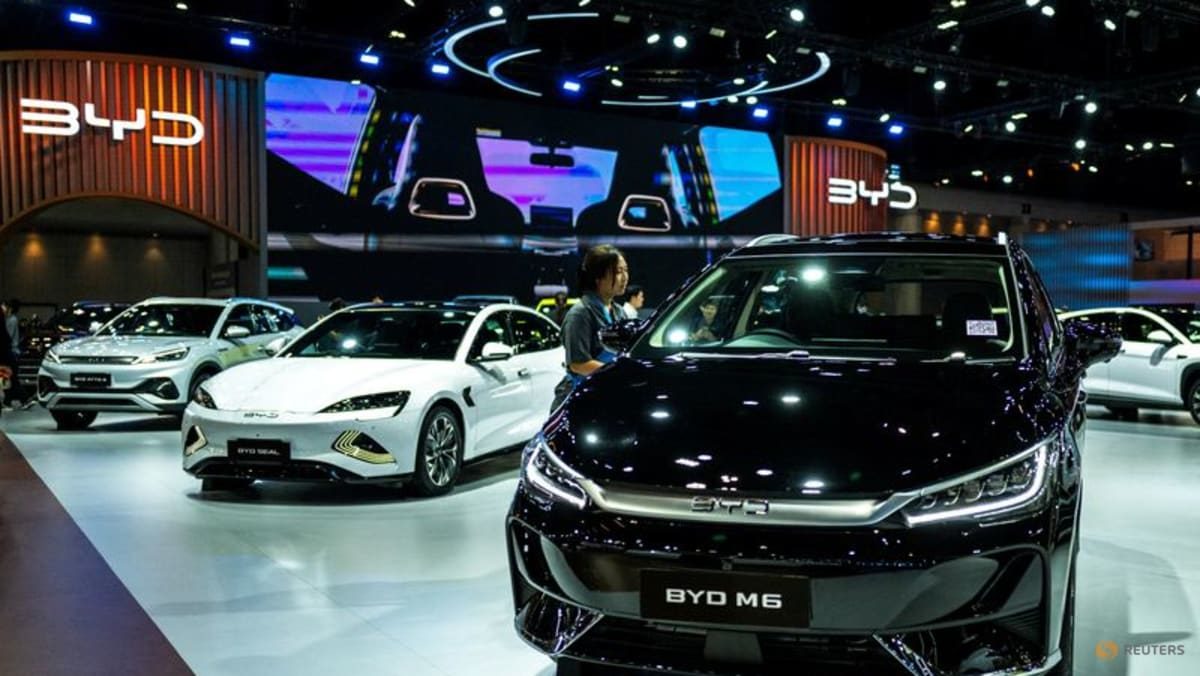
Thailand is drafting a $700 million electric vehicle replacement scheme to revive its struggling automotive industry, though a looming debate over local content requirements could dictate which manufacturers benefit.
The Thai government is reviewing a 24 billion baht ($714 million) plan to replace up to 80,000 ageing commercial vehicles with electric equivalents. A committee chaired by the Finance Ministry is evaluating whether to broaden the scheme from targeted transport fleets to cover all vehicle purchases.
The discussions accelerated after the Constitutional Court this month upheld a 400 billion baht ($11.9 billion) emergency borrowing plan. "There will definitely be something this year, but we need to finalise the details first," said Deputy Transport Minister Siripong Angkasakulkiat, noting talks will continue for about a month.
For investors, the proposal represents a critical lifeline for Southeast Asia's largest automotive production hub. Domestic vehicle sales slumped to a 15-year low in 2024, crippled by high household debt and tighter lending standards.
The potential inclusion of pickup trucks is particularly significant for the supply chain, as they account for more than 60 per cent of Thailand's overall vehicle production. Finance Minister Ekniti Nitithanprapas indicated the programme will support replacing pickups with EVs or B20 biodiesel-capable models via low-interest loans and subsidies.
Local content requirements
Successive Thai governments have leveraged tax breaks to attract over $4 billion in EV investments from foreign manufacturers like BYD and Great Wall Motor. However, with the current EV policy expiring in 2027, industry groups are lobbying hard to ensure the new stimulus protects domestic manufacturing rather than simply subsidizing imports.
Any new incentives or trade-in schemes must be restricted to domestically manufactured EVs using a majority of locally sourced parts, according to Surapong Paisitpattanapong, spokesperson for the Federation of Thai Industries' Automotive Industry Club. "More domestic EV production means more jobs, higher incomes and greater tax revenue, (and) is a win-win for businesses, consumers and the government," Surapong said.
Siamnat Panassorn, vice president of the Electric Vehicle Association of Thailand, echoed this requirement and emphasized targeting high-emission vehicles like motorcycles and public buses.
Support mechanisms under consideration include subsidies, tax incentives and low-interest loans tailored to vehicle age limits. For example, taxi drivers replacing 10-year-old vehicles next year could see daily loan repayments drop to 500 baht ($15) from 700 baht over five years.
The stakes are high for the broader market. Of the 621,166 cars sold domestically last year, 120,301 were passenger EVs, alongside 1.7 million motorcycles. How the government structures the final package will determine whether the stimulus merely drives consumption or actually cements Thailand's transition into an EV manufacturing powerhouse.