Grupo Abra orders 100 LEAP engines to cut maintenance costs
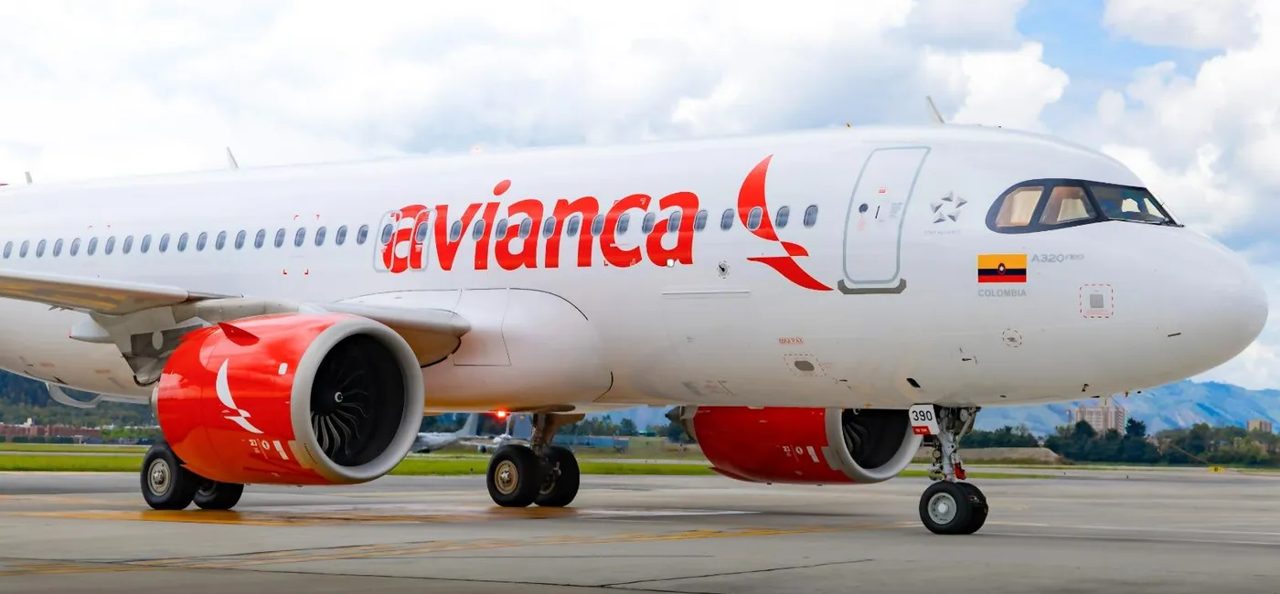
Grupo Abra, the holding company for Avianca and GOL, ordered 100 CFM LEAP-1A engines to standardize its fleet across Airbus and Boeing jets, a move designed to secure predictable maintenance costs in Latin America's inflation-prone economies.
Grupo Abra, the holding company controlling Colombia’s Avianca and Brazil’s GOL Linhas Aéreas, ordered 100 CFM LEAP-1A engines on July 21 to power 50 new Airbus A320neo-family aircraft. The purchase agreement includes spare units and a long-term service package that spans both Avianca’s upcoming A320neos and GOL’s Boeing 737 MAX fleet.
The transaction is fundamentally a cost-management strategy rather than a mere fleet expansion. By committing to a single engine type across both Airbus and Boeing platforms, the company can share spare-pool inventories across multiple countries and streamline heavy maintenance overhauls. This eliminates the need to maintain separate, duplicative supply chains for different engine models.
For a carrier operating in Latin America, this standardization offers a distinct financial advantage. Securing fixed, long-term service contracts helps insulate the company against unpredictable maintenance expenses in high-inflation economies. It establishes a predictable operating-cost base that can support steadier financial performance even when local currencies depreciate or jet fuel prices spike.
Scale is central to this calculus. Once the new aircraft and engines are delivered, Grupo Abra will operate more than 650 LEAP-powered aircraft across its brands. This figure includes older CFM56-powered planes, making the group the largest operator of CFM engines in Latin America. Such volume provides significant bargaining power with suppliers, particularly valuable as global engine supply chains remain constrained and maintenance slots are scarce.
The 50 jets covered by the engine order are not new commitments, but rather previously unallocated aircraft pulled from Avianca’s existing 134-plane Airbus backlog. Deliveries will therefore likely be staggered over several years, synced to the airframer's production schedule. CFM International, a joint venture between GE Aerospace and Safran Aircraft Engines, confirmed the deal but withheld the precise dollar value.
While exact pricing remains undisclosed, industry estimates for engine orders of this magnitude typically run into the billions at list prices, though large airline groups routinely negotiate steep discounts. Regardless of the final capital outlay, the order demonstrates that Grupo Abra is looking well past immediate survival.
The holding company, which also includes Spain-based Wamos Air, is actively integrating Avianca and GOL operations where regulators permit. That integration process has faced headwinds, as the group's planned New York Stock Exchange debut was recently pushed back amid broader market volatility. Nevertheless, locking in long-lead engine contracts now will shape the company's cost structure for the next two decades.
For investors, the move reflects a broader regional shift. Latin America’s largest carriers are aggressively investing in fuel-efficient narrowbodies for both expansion and fleet replacement. By standardizing its engine architecture early, Grupo Abra is positioning itself to extract structural cost savings that older, fragmented airline fleets simply cannot match.