Buenos Aires protests test Milei's austerity as inflation falls
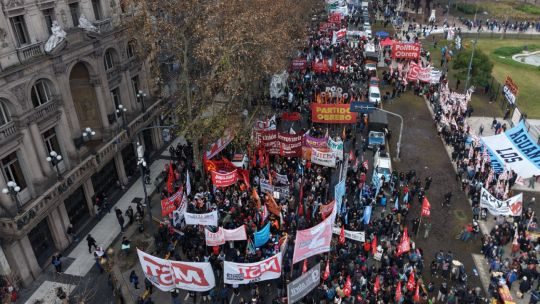
Argentina's largest trade union joined mass protests against President Javier Milei's austerity measures, highlighting the growing social friction behind the country's macroeconomic recovery.
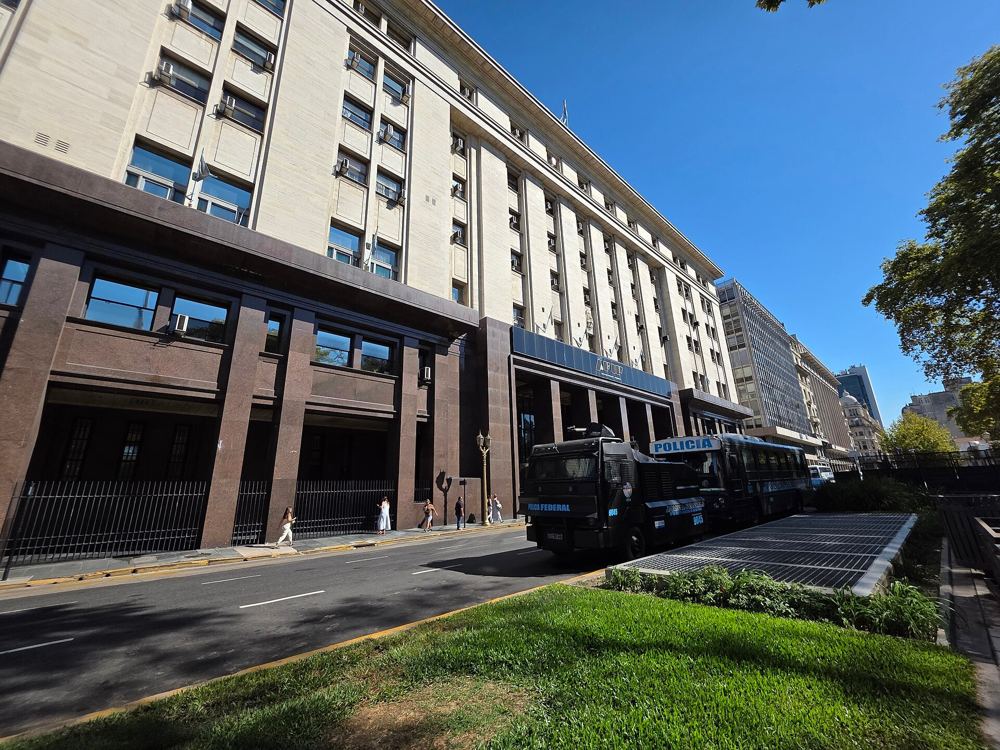
Thousands of demonstrators blocked access to Buenos Aires on Wednesday as the CGT, Argentina's largest trade union, threw its weight behind regular pensioner protests. The mobilisation, which included clashes with police on the city's outskirts, marked a return to street action after a month of World Cup distractions.
The unrest underscores the deep political cost of President Javier Milei's economic programme. For international investors, the administration's austerity drive has been a clear success, yielding a fiscal surplus and an improved sovereign credit rating. The strategy has also brought inflation down dramatically from nearly 200 percent to 33 percent.
However, those headline macroeconomic gains are colliding with severe pressures on household incomes, creating a friction point that markets will likely monitor closely. Almost half of Argentina's 7.8 million retirees currently survive on a minimum pension and a supplementary bonus. This totals roughly $330 a month, which is less than a third of the amount required to cover basic needs for seniors.
"Twenty percent are becoming millionaires, and then the 80 percent of us down here stay the same, with a low salary," said 69-year-old protester Raúl Maldonado. CGT social security secretary Hugo Benítez warned that Argentina is facing a "critical situation for all workers." He pledged that the union would escalate its presence at future demonstrations.
The government maintains that this painful fiscal consolidation is a necessary prerequisite for sustainable growth. "We are creating the conditions for employment to improve, for wages to increase, and for the income of the entire population to rise," deputy economy minister José Luis Daza stated on Wednesday. Milei himself has acknowledged the social toll but continues to urge "patience."
For now, the markets are pricing in the fiscal discipline. But the renewed involvement of the CGT signals that street opposition is consolidating rather than fading. Trade unionist Horacio Jérez summed up the structural risk facing the administration: "the purchasing power of wages is falling." "Macroeconomics is one thing, and the everyday social life of all Argentines is another," he said.