South Africa Withholds R13.5bn From Councils to Stem Eskom Debt Spiral
South Africa's Treasury has frozen R13.5 billion in municipal funding to force debt repayments to Eskom, a move that signals stricter central fiscal discipline but risks immediate service collapse for businesses and residents.
South Africa’s National Treasury is temporarily withholding R13.5 billion in July transfers from 69 municipalities, including R3.6 billion from Johannesburg alone. Finance minister Enoch Godongwana announced the unprecedented freeze on July 7, targeting councils that adopted unfunded budgets and failed to pay statutory obligations. The withheld funds make up the equitable share, a constitutionally mandated slice of national revenue designed to keep basic services running in areas that cannot generate sufficient local tax revenue.
The crackdown targets a systemic fiscal failure at the local level. Since the 2021-22 financial year, municipalities have accumulated R24.12 billion in fruitless and wasteful expenditure, alongside R145.21 billion in irregular spending. Unauthorised spending adds another R118.13 billion to the tally. Municipal debt to Eskom has meanwhile surpassed R100 billion. This local default creates a direct contagion risk for the sovereign, as unpaid council bills force the national government to bail out the power utility, crowding out other critical budget priorities.
For bond markets and ratings agencies, the intervention cuts both ways. On one hand, it signals genuine fiscal seriousness from the centre, fitting a broader pattern in Pretoria that recently included rejecting a wealth tax in favour of spending reform. On the other hand, it exposes the profound dysfunction running beneath the national level. Business lobbies have long identified failing municipal services as a primary constraint on investment outside the main economic hubs.
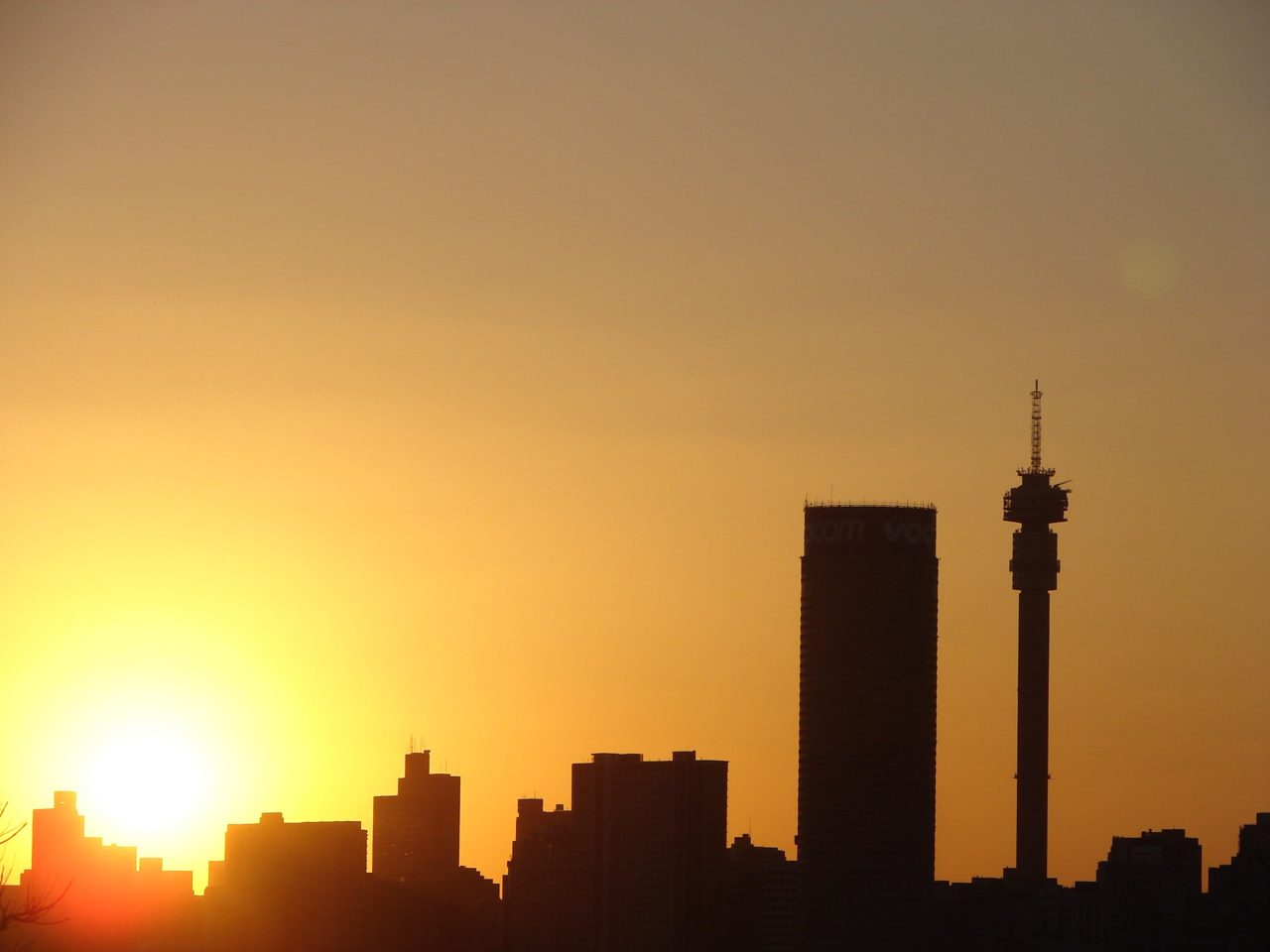
Johannesburg’s inclusion in the freeze carries outsized symbolic weight. When the continent’s richest city cannot reliably deliver water and power, confidence in the operational capacity of Africa's most industrialised economy deteriorates. The daily reality of potholes, water cuts, and billing chaos directly impacts the operating environment for mines, factories, and commercial real estate.
Treasury has outlined a strict exit path for the frozen funds. Councils must submit credible plans to fund their budgets, settle their debts to Eskom and water boards, and meet all legal obligations. While officials stress the withholding is temporary, the immediate risk is a further deterioration in service delivery for residents and businesses while negotiations unfold.
The credibility of this crackdown will be tested almost immediately. August transfers are due in a matter of weeks, forcing Treasury to evaluate which municipal recovery plans are actually viable. A climbdown would render the threat meaningless, but holding firm risks triggering service collapses in the weakest councils. "South Africans deserve financially sound municipalities," Godongwana said, signalling the centre is no longer willing to write blank cheques to mask local mismanagement.