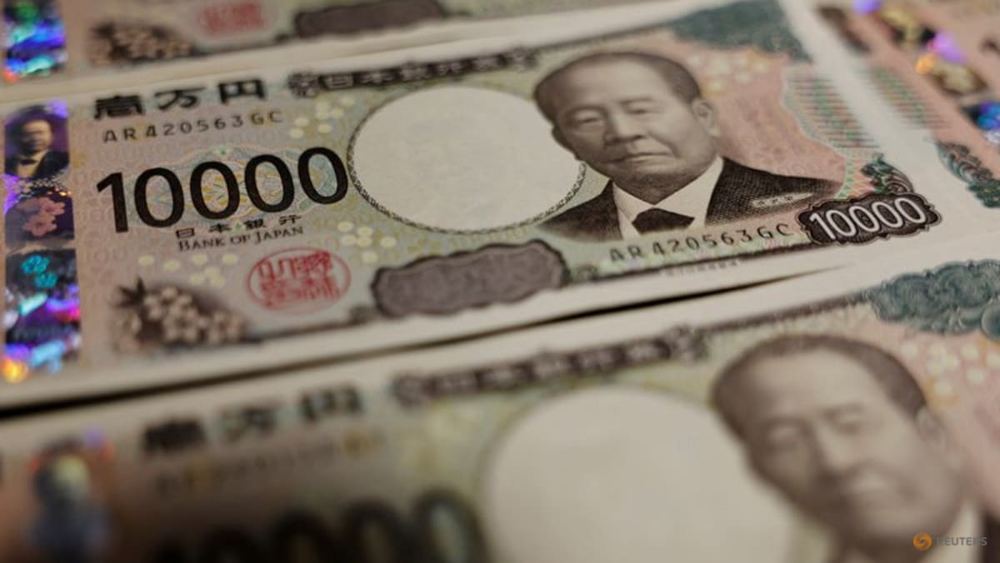
BOJ eyed for December rate hike as weak yen drives inflation
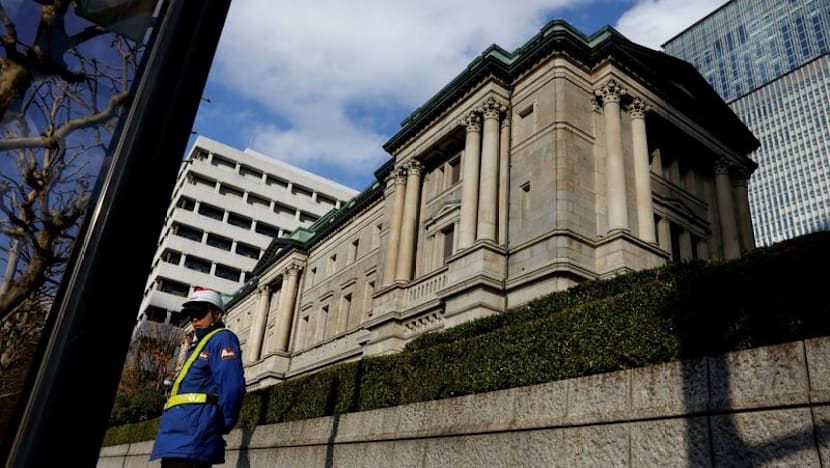
A majority of economists expect the Bank of Japan to raise interest rates to 1.25% by December, a move that could support the battered yen but risks increasing government debt-servicing costs and slowing corporate investment.
The Bank of Japan is widely expected to keep its benchmark rate at 1% this quarter before hiking to 1.25% by December, according to a poll of 87 economists. An overwhelming 86% of respondents forecast the 25-basis-point increase by year-end, with roughly a third of those anticipating a move as soon as October. The projections mark a slight increase in tightening expectations compared to a previous survey in June.
Broadening price pressures and a historically weak currency are forcing the central bank's hand. The yen touched 163.24 against the dollar on Tuesday, its weakest level since 1986, driven lower by rising US Treasury yields and oil prices linked to the Iran war. Economists now expect core inflation, which has sat below the 2% target for four months, to climb into the mid-2% range by the fourth quarter.
This inflationary backdrop is prompting some analysts to predict a faster pace of monetary tightening. "The pace of rate hikes, which until now has been roughly once every six months, may accelerate somewhat due to the need to counter inflationary and yen-selling pressure," said Kazutaka Maeda, senior economist at Meiji Yasuda Research Institute. However, an early move carries significant risks, according to Atsushi Takeda, chief economist at Itochu Research Institute, who warned it could dampen corporate investment and derail the fragile economic recovery.
The central bank must also navigate political headwinds and growing fiscal anxieties. Prime Minister Sanae Takaichi has signalled her wariness of rate rises, and a recent draft government economic blueprint briefly sparked a selloff in Japanese government bonds over fears of political interference before being revised. Furthermore, 58% of polled economists expressed concern over debt-servicing costs over the next two to three years as JGB yields hit multi-decade highs.
Despite these constraints, the long-term trajectory points to continued normalization. Seventy percent of economists expect the policy rate to reach at least 1.50% by the second quarter of 2027, with a slim majority viewing that as the terminal rate. For now, 80% of analysts believe a dollar/yen level around 160 is fundamentally too weak for Japan's economy, suggesting the BOJ cannot afford to remain on the sidelines indefinitely.