Musk fuels Tesla-SpaceX merger speculation despite hurdles
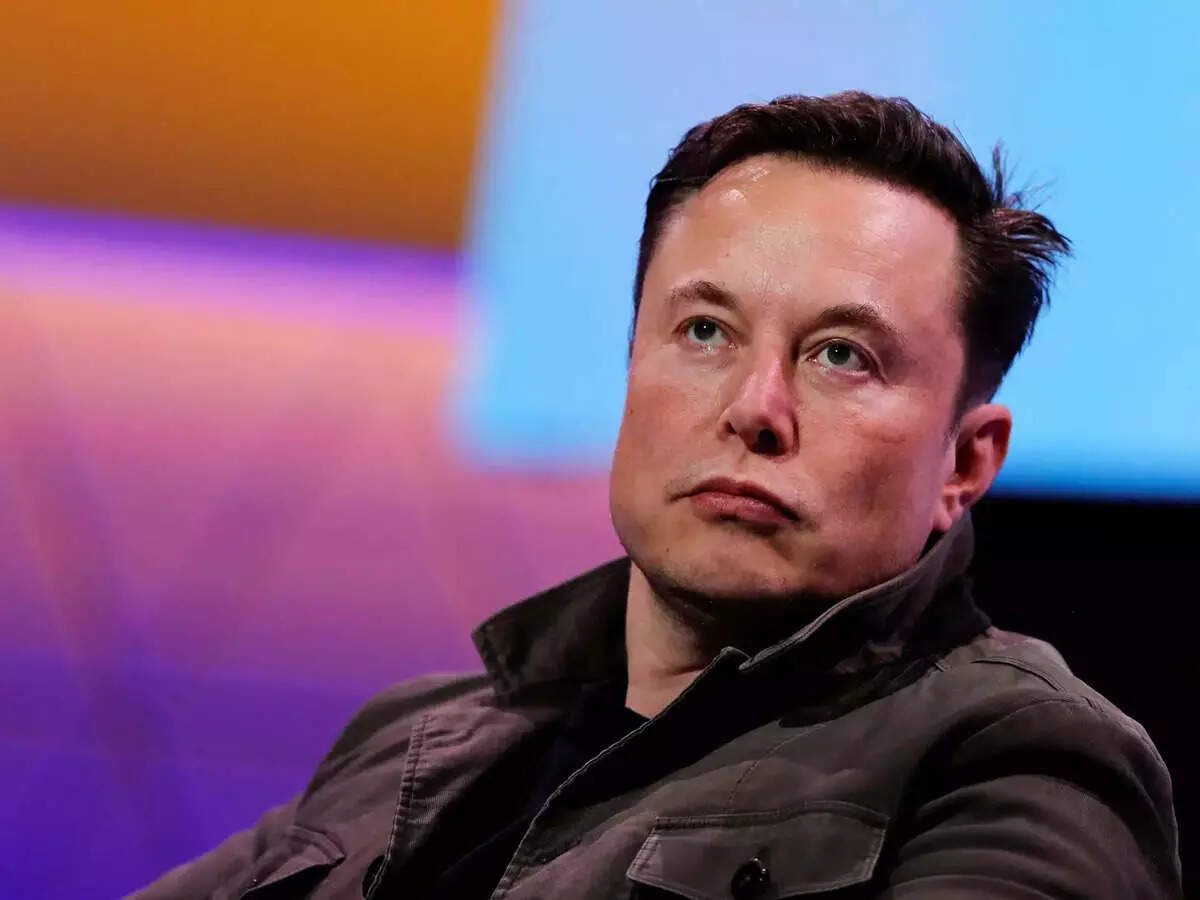
Elon Musk's acknowledgment of deepening ties between Tesla and SpaceX has intensified investor bets on a blockbuster merger that faces significant regulatory and governance obstacles.
Elon Musk has reignited investor debate over a potential combination of Tesla and SpaceX by highlighting their deepening cross-company collaboration. While he emphasized that an earnings call is not the venue for formal merger discussions, he indicated that combining the businesses would require standard corporate procedures.
The remarks immediately strengthened the conviction of some major backers. Deepwater Asset Management, a Tesla investor, said the comments made a merger over the next few years more likely. Tesla General Counsel Brandon Ehrhart acknowledged SpaceX as a valuable partner engaged in numerous mutually beneficial transactions, though he stopped short of confirming any formal merger plans.
Wall Street analysts see a growing operational case for integration. JPMorgan recently highlighted that ties are already substantial, pointing to shared engineering talent, AI infrastructure, the Terafab project, and Musk's dual leadership as factors easing a potential deal. Stifel analysts went further, arguing that many investors now view a combination as inevitable, with timing being the only remaining question.
Proponents of a tie-up argue a merger would simplify Musk's sprawling empire by creating a unified platform spanning artificial intelligence, robotics, advanced manufacturing, energy systems, and space infrastructure. SpaceX President and Chief Operating Officer Gwynne Shotwell previously noted in a June interview that combining the companies could streamline management across his businesses.
For public market investors, however, the financial mechanics of a deal present immediate complications. Musk holds a significantly larger voting stake in privately held SpaceX than he does in publicly traded Tesla. This disparity creates potential governance issues and poses distinct risks for Tesla's minority shareholders in the event of a combination.
Regulatory scrutiny represents another formidable barrier. JPMorgan identified approval processes as a major challenge, particularly in China. Authorities there could view SpaceX's ties to the U.S. government as a national security risk, potentially threatening Tesla's critical Chinese manufacturing and sales operations.
Any formal combination would ultimately require extensive regulatory review, shareholder approvals, and a carefully structured corporate process. Until such a deal materializes, Musk's latest commentary has at least succeeded in shifting the market's focus beyond Tesla's core automotive business toward the potential value of a broader technology conglomerate.