Grid bottlenecks threaten to extend China's coal reliance amid renewable surge
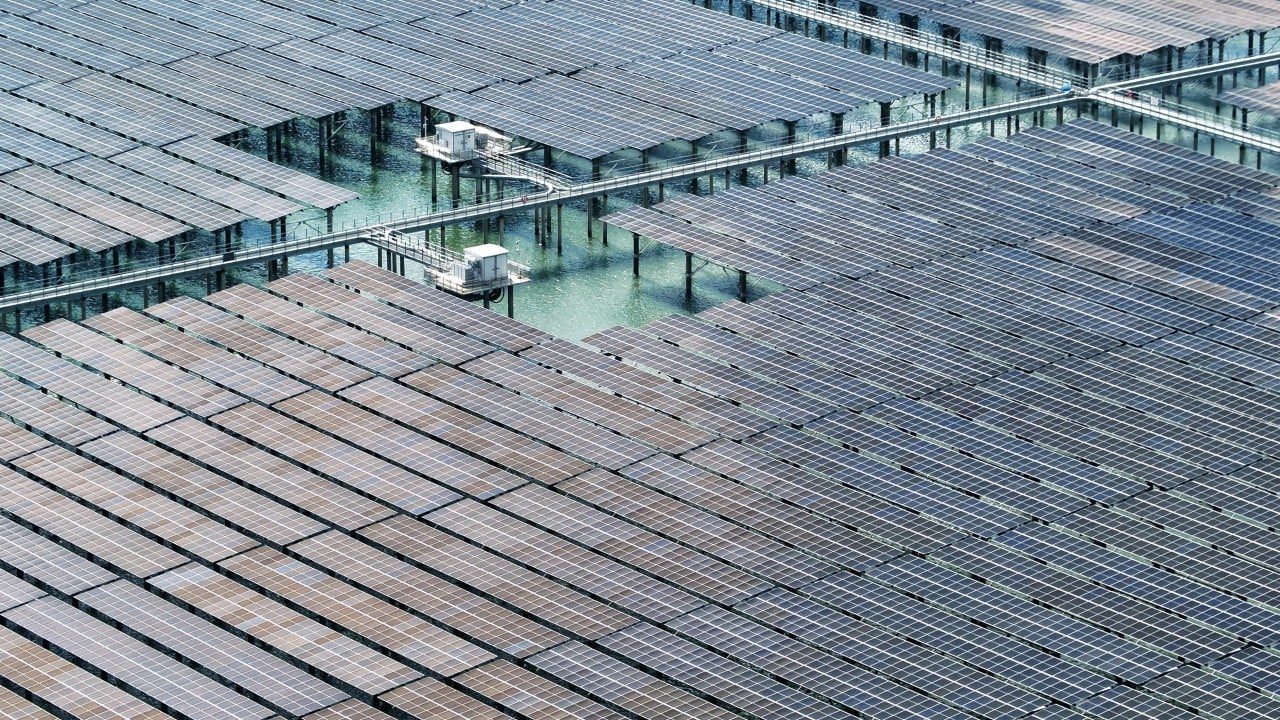
A new study reveals that severe transmission bottlenecks in China are stranding renewable energy assets, threatening to extend the country's reliance on coal and complicating its energy transition.
China is adding renewable power capacity faster than its transmission infrastructure can handle, creating severe bottlenecks that risk extending the nation's dependence on coal. A report published Tuesday highlights the growing disconnect between the country's massive clean energy buildout and its ability to deliver electricity to eastern industrial demand centers.
The country is currently constructing more wind and solar capacity than the rest of the world combined. More than 500 gigawatts of a planned 1,360 gigawatts in utility-scale projects are already under way. This pace puts Beijing on track to meet its 2030 target of having wind and solar comprise over half of installed power capacity by the end of this year.
However, this rapid expansion is outstripping the grid, particularly in the north and northwest where generation far exceeds local consumption. The resulting curtailment means electricity that could be generated is intentionally withheld, directly impacting the revenues of renewable energy developers.
Last year, solar curtailment reached between 10 and 17 per cent in northwestern regions including Qinghai, Xinjiang, and Gansu. Wind curtailment across northern and northwestern corridors ranged from 4 to 9 per cent, with actual rates likely even higher.
Resolving this mismatch requires massive infrastructure investment to connect remote generation hubs to eastern demand centers. The report estimates that roughly 315 gigawatts of megabase capacity will depend on outbound transmission by 2030. Moving this power efficiently would require approximately 27 dedicated ultra-high voltage direct current lines to minimize long-distance losses.
Current state planning falls significantly short of this requirement. China’s latest five-year plan outlines transmission capacity equivalent to only about 10 such lines, and some of those are designated for hydropower rather than wind and solar.
For investors and market professionals, this infrastructure gap presents a dual risk. It threatens the financial viability of new renewable projects through persistent curtailment while simultaneously preserving demand for thermal coal. Until transmission networks are upgraded at a pace matching generation, the energy transition will remain fundamentally constrained.