Alphabet's $112bn profit driven by Anthropic, SpaceX paper gains
Alphabet posted a record $112.1 billion quarterly profit largely on paper gains from its venture bets, raising accounting concerns while masking rising capital expenditure pressures.
Alphabet reported $112.1 billion in second-quarter net income, a 298% increase that generated more profit than the annual revenue of 459 Fortune 500 companies. Underlying revenue grew 24% to $119.8 billion, yet the historic bottom line was primarily driven by soaring valuations in its venture portfolio. The tech giant recorded $99 billion in "other income" from unrealized and realized gains on equity securities, contributing $77.1 billion to net income after taxes.
The windfall stemmed largely from two massive holdings. SpaceX, in which Alphabet held a roughly 6% stake at the end of 2025, went public in early June at a $1.77 trillion valuation, a sharp increase from $400 billion a year prior. Meanwhile, Anthropic’s private-market valuation jumped from $350 billion to $965 billion during the quarter.
Alphabet’s initial $300 million investment in Anthropic in April 2023 has since grown to $13.3 billion, with commitments for up to $30 billion more. As part of that arrangement, Anthropic agreed to purchase at least five gigawatts of computing capacity from Google Cloud. That reciprocal spending helped drive Google Cloud revenue up 82%.
Circularity concerns emerge
This dynamic has created a closed loop that inflates both cloud growth and investment income. Alphabet provides capital to Anthropic, Anthropic spends that capital on Google Cloud, Anthropic’s valuation rises on the back of its raised capital, and Alphabet books that valuation increase as earnings.
“It’s interesting that they’re able to control or influence the value of one of their own assets,” noted Robert Willens, a tax and accounting consultant.
Wall Street focused on the underlying business fundamentals rather than the paper profits. Shares fell 3% in after-hours trading as investors digested Alphabet’s decision to raise its 2026 capital expenditure guidance to a range of $195 billion to $205 billion, up from a previous estimate of $180 billion to $190 billion. The market also expressed concerns over mounting competition facing the company's Gemini AI models.
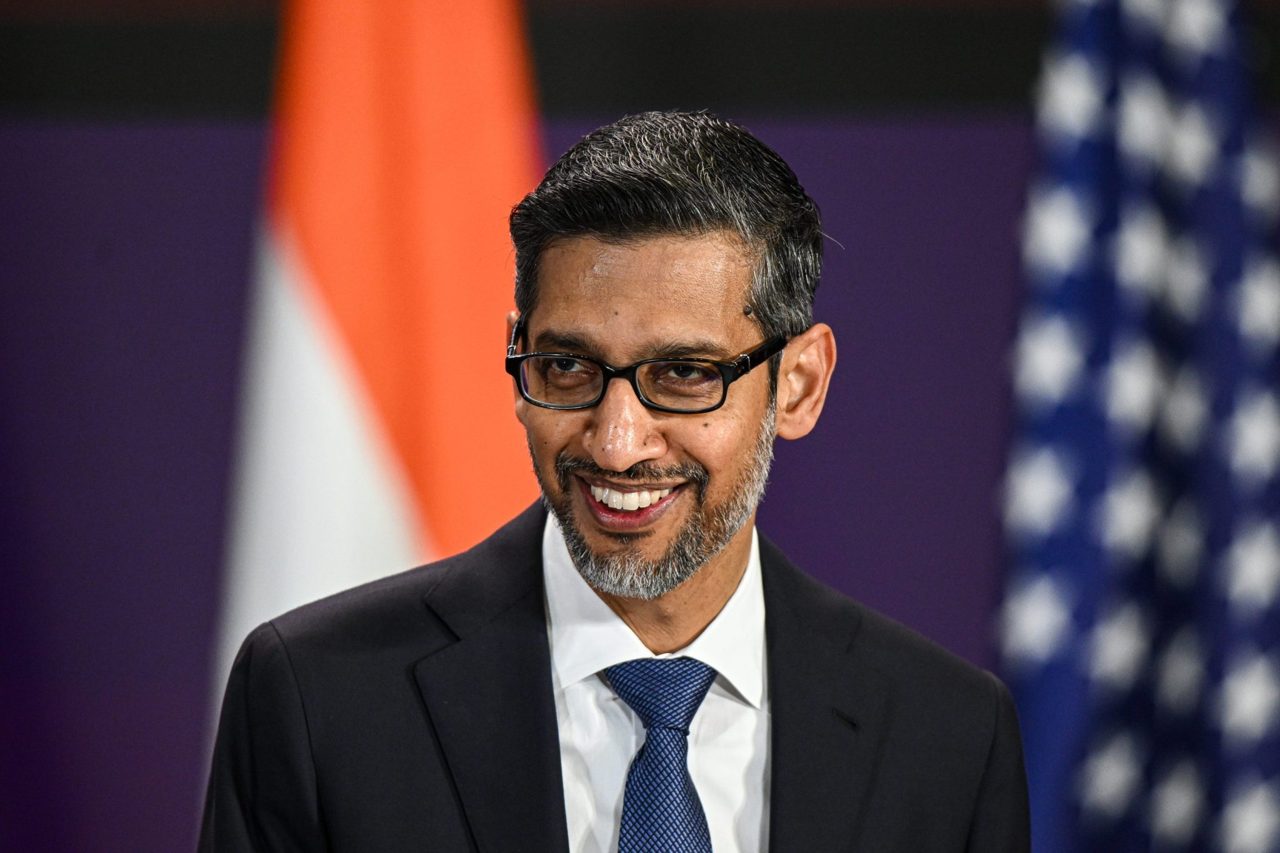
CEO Sundar Pichai characterized the quarter as proof that the company’s “full stack approach to AI is delivering real, measurable value.” However, with investment gains accounting for $6.26 of the $9.11 in earnings per share, the quality of those earnings remains subject to intense scrutiny.