Chinese working-class literary success highlights deepening labor market precarity
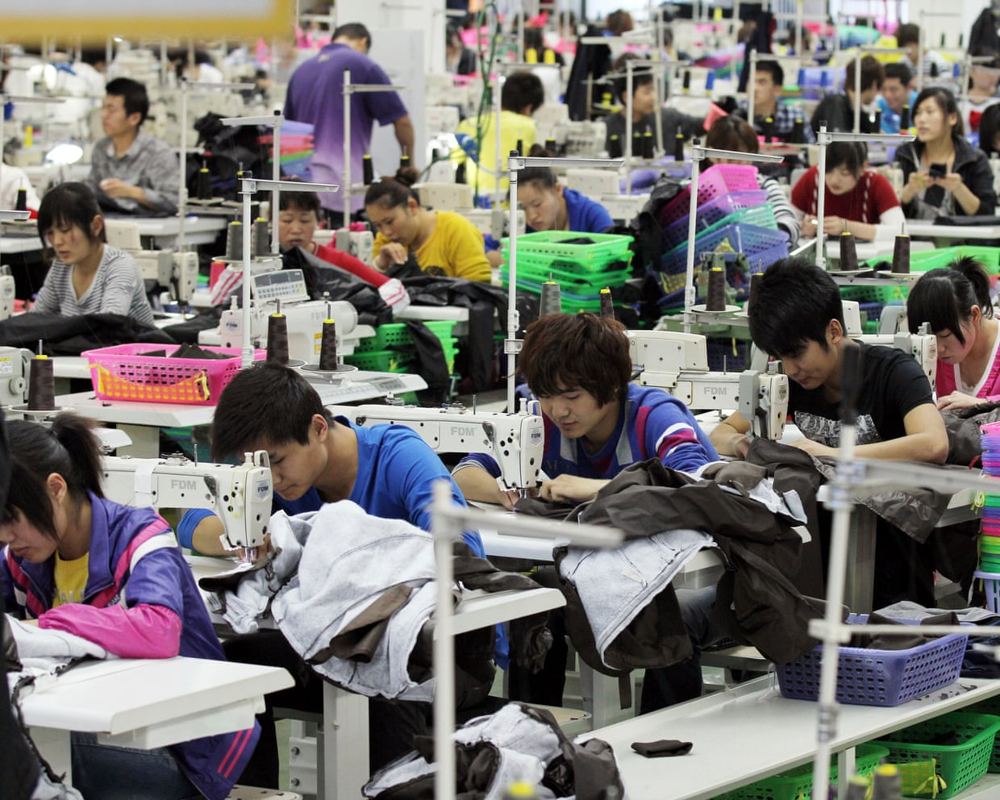
The recent literary success of Chinese delivery riders and factory workers highlights deepening economic precarity, offering investors a ground-level view of the social pressures underlying the country's labor market.
Wang Jibing, a 56-year-old food delivery rider whose poetry went viral in 2022, won China’s top literary award last week. His victory follows a broader cultural shift where working-class authors, from factory assemblers to parcel couriers, are achieving mainstream and international publishing success.
For investors and corporate executives, this literary movement provides a rare, unfiltered look at the social pressures building within China’s labor force. The narratives moving away from collective industrial pride toward individual economic struggle signal deepening precarity that could eventually impact workforce stability and consumer sentiment.
Hu Anyan’s memoir about delivering parcels in Beijing became a bestseller in 2023 and has been sold to 16 countries. Similarly, Xiao Hai’s memoir detailing his time on assembly lines since age 15 was published in English in May, capturing the "bitterness and regret" of lost years on the factory floor.
Fan Yusu became a literary sensation in 2017 with an essay on migrant worker life, while the late Foxconn worker Xu Lizhi used his poetry to highlight the insignificance of replaceable labor before his death in 2014. This bottom-up revival contrasts sharply with the Maoist era, which promoted top-down narratives of superhuman collective toil.
Today’s working-class writings reflect an individual scrabble for survival, replacing state-directed optimism with themes of numbness and despair. The Communist party maintains strict boundaries on acceptable discourse, showing little tolerance for literature addressing corrupt officials or collective organization.
Grassroots writers frequently face online censorship, and established authors like Zheng Xiaoqiong have seen works like Woman Worker heavily altered by publishers. Despite these restrictions, the surge in attention to these authors accelerated during the pandemic as low-paid workers kept the economy functioning.
This cultural moment also mirrors a growing sense of financial vulnerability among the Chinese middle class, who fear a similar decline in their economic status. These stories resonate globally by exposing the human costs of the globalized supply chains that underpin multinational corporate profits.
The international success of these Chinese memoirs highlights a stark contrast in Western markets. While Chinese delivery riders achieve global publication, comparable English-language bestsellers by warehouse operatives or zero-hours care workers remain entirely absent.