South Korea Q2 growth beats forecasts as chip exports offset construction slump
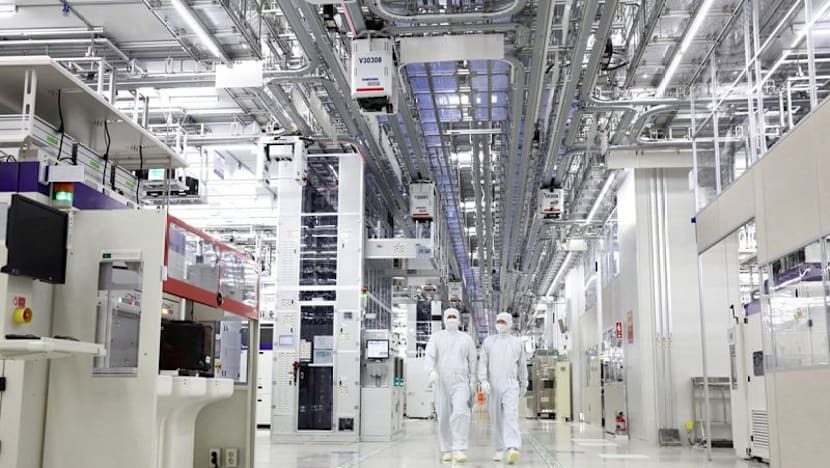
South Korea's economy expanded faster than expected in the second quarter, proving that robust semiconductor demand can sustain growth even as the central bank tightens monetary policy and domestic construction weakens.
South Korea’s gross domestic product rose 0.6% in the three months through June from the previous quarter, surpassing the median forecast of 0.4%. On an annual basis, the economy grew 3.7%, ahead of expectations for 3.5%. The advanced estimates from the Bank of Korea confirm a significant moderation from the 1.8% expansion seen in the first quarter, but underscore the resilience of the country's tech-heavy export sector.
The central bank attributed the outperformance to a 1.4% quarterly jump in exports, specifically citing stronger shipments of "semiconductors, machineries and equipment." This external strength was necessary to counterbalance a 0.2% quarterly decline in construction investment. Private consumption provided additional support, ticking up 0.4% over the period and indicating that household spending has not yet buckled under financial pressure.
For market participants, the data offers a crucial signal: the current semiconductor upcycle is robust enough to absorb the impact of rising interest rates. Policymakers raised rates by 25 basis points in July, embarking on a tightening cycle that typically pressures domestic demand and capital-intensive sectors like real estate. The fact that GDP still beat estimates suggests the central bank has sufficient runway to continue normalizing policy without triggering an immediate contraction.
However, the stark divergence between surging export strength and weakening domestic construction highlights a structural imbalance that equity and credit investors must monitor closely. While global demand for advanced chips is currently underwriting the broader economic expansion, any sudden correction in the technology cycle would leave South Korea highly exposed. This vulnerability is magnified because domestic building activity is already contracting, removing a traditional buffer against external shocks.
The 3.7% year-on-year growth rate reinforces the narrative of a two-speed economy. Companies tied to the global semiconductor supply chain are likely to see continued earnings momentum, whereas domestic-focused builders and real estate developers face a more challenging environment as borrowing costs climb. Ultimately, South Korea's second-quarter performance demonstrates the power of its flagship tech sector, but it also emphasizes the economy's narrowing foundation for growth.