Ibru book launch spotlights Nigerian family succession
The release of a biography on Nigeria's Ibru dynasty offers investors a case study in how indigenous conglomerates manage governance and succession.
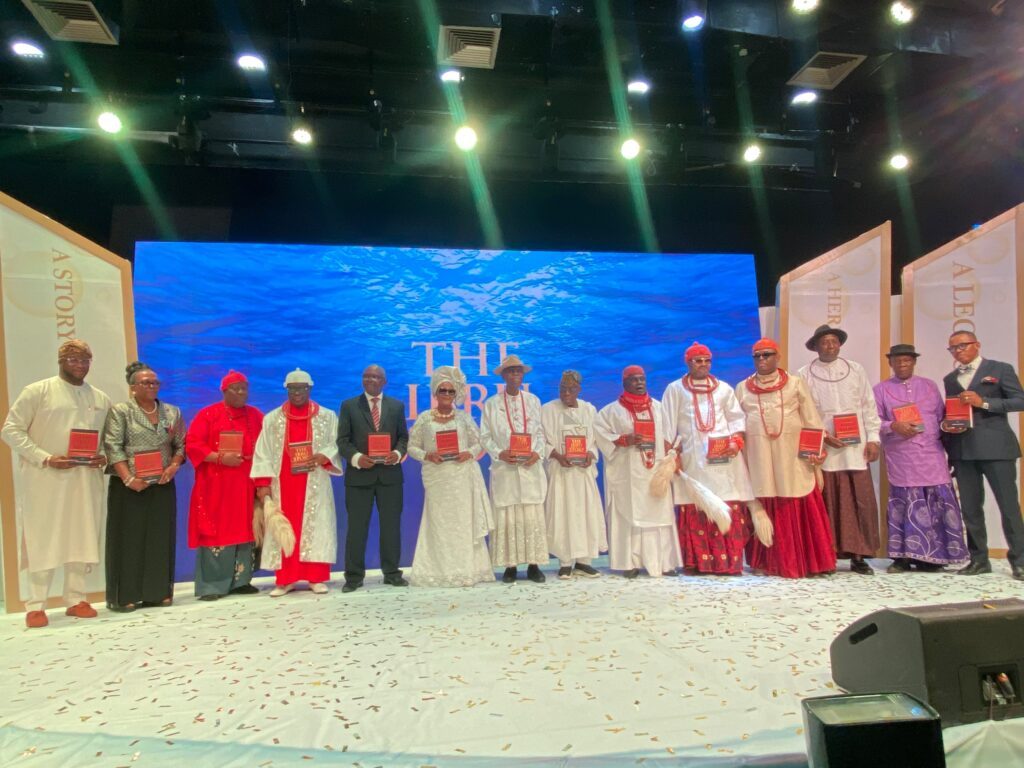
A new biography of Nigeria’s Ibru family has been launched in Lagos, offering market participants a rare window into the governance and capital allocation strategies of one of Africa’s pioneering indigenous conglomerates.
Former president Olusegun Obasanjo and senior corporate figures attended the event for "The Ibru Story." Authored by veteran journalist Mike Awoyinfa, the 342-page publication spans 21 chapters and details the commercial rise of Michael Ibru and his siblings across fisheries, shipping, hospitality, aviation, banking and oil and gas.
By 1990, the Ibru organisation employed between 9,000 and 11,000 people. For institutional investors tracking frontier markets, such diversified groups represent both significant economic drivers and complex governance challenges, particularly regarding leadership transitions.
Obasanjo highlighted founder Michael Ibru’s approach to managing that complexity. He noted that Ibru retained direct control of the frozen-fish business that generated the group's expansion capital, while delegating other units to managers with clear performance metrics. “If I go after this, I go after that, I will be spent out,” Obasanjo quoted Michael as saying.
This operational discipline is a central theme for a region where family-owned enterprises often fracture after a founder's death. Obasanjo explicitly urged Nigerian business families to prioritise unity and structured succession to protect corporate value.
Goodie Ibru, the family patriarch and chief host, framed the dynasty's endurance as a broader victory for local capital formation. “The greater achievement was the demonstration that Nigerians could create, own and manage substantial enterprises of their own,” he said. “For that reason, the history recorded in this book belongs not only to our family. It forms part of the wider history of Nigerian enterprise.”
Sustaining such empires requires more than initial commercial success. Goodie urged younger relatives to view the Ibru name as a responsibility rather than an entitlement, stressing the publication documents values instilled before material wealth was transferred.
Reviewer Godini Darah noted the book challenges narratives that Africa is incapable of building enduring institutions. Proceeds from the publication will fund the Ibru Foundation’s educational and development initiatives. For market observers, the text serves as a historical ledger on how indigenous private capital scaled in post-independence Nigeria.