GTCO pushes practical autism inclusion in Nigerian workplaces
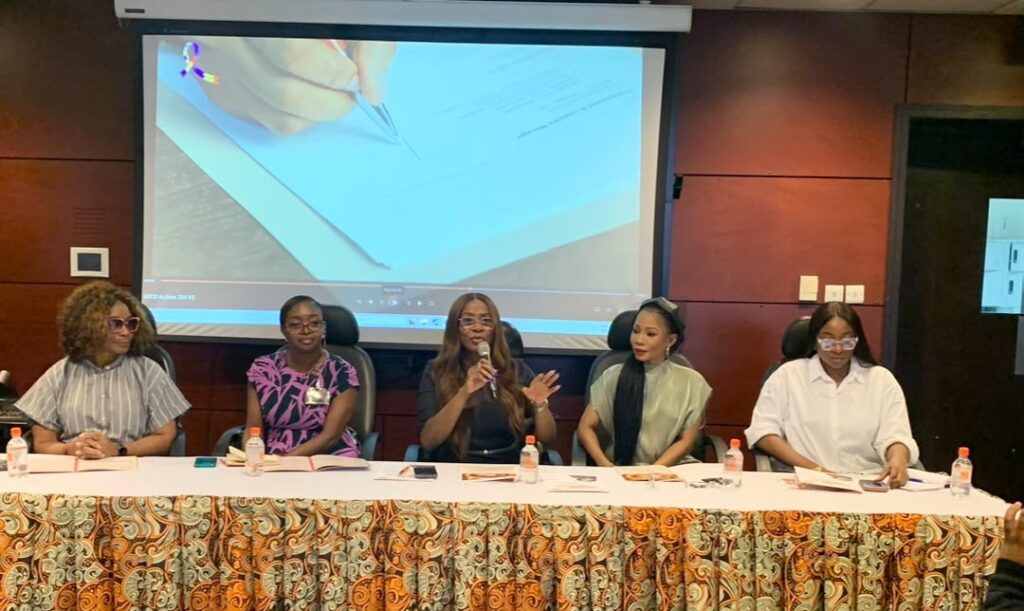
Guaranty Trust Holding Company is leveraging its 16th Annual Autism Conference to urge Nigerian employers and policymakers to transition from awareness to practical workplace inclusion for neurodivergent individuals.
Guaranty Trust Holding Company Plc has launched its 16th Annual Autism Conference, marking a strategic shift in its corporate advocacy from public awareness to demanding practical inclusion in schools, public spaces and workplaces.
The conference, scheduled for July 27 and 28 at the Muson Centre in Lagos, targets a critical gap in Nigeria’s labour market. Behaviour analysts at the event argued that while awareness of autism has grown, invisible disabilities remain deeply misunderstood in professional environments.
Eziafakaku Nwokolo, a board-certified behaviour analyst, noted that autistic adults frequently secure university degrees and jobs only to face misinterpretation of their communication styles as incompetence or poor attitude. She urged employers to educate themselves on neurodiversity and make reasonable workplace adjustments to retain this talent.
For corporate executives, this evolving focus aligns with global ESG trends surrounding diversity and neurodiversity in the workplace. GTCO Group Chief Executive Officer Segun Agbaje framed the initiative as a multi-stakeholder economic challenge. “No single institution can build an inclusive society alone. It takes families willing to advocate, educators willing to adapt, employers willing to open doors and policymakers willing to act,” Agbaje said.
GTCO’s programme has evolved over 16 years into what the bank describes as West Africa’s largest autism advocacy platform. Oyinade Adegite, GTCO’s chief communications officer, said the corporate focus is now on actionable change. “Awareness is important, but acceptance is what truly changes lives,” Adegite said.
Beyond corporate boardrooms, advocates highlighted structural deficiencies in Nigeria’s regulatory framework. They noted that national disability policies have historically prioritised physical disabilities over invisible conditions, often excluding affected families from the policy design process.
“Policies written without the people who use them rarely succeed. The systems that work in other countries were built by end users working together with government,” advocates said.
The conference will be followed by four days of free specialist consultations from July 29 to August 1 at the Adeyemi Bero Auditorium in Alausa, Ikeja, providing developmental assessments and behavioural guidance for families.