Iran vows regional oil export blockade if US strikes infrastructure
Iran has threatened to block all regional oil exports and target energy infrastructure if the US follows through on threats to strike Iranian power plants, escalating a 12-day conflict that risks severe global supply disruptions.
Iran's military command has threatened to block all regional oil exports and target energy infrastructure if the United States strikes Iranian bridges or power plants. The warning, issued by the Khatam al-Anbiya Central Headquarters, marks a severe escalation in a 12-day conflict centered on the Strait of Hormuz.
The threat follows a specific warning by US President Donald Trump. He stated that any time Iran shoots at a ship in the strait, the US will "bomb and destroy ONE BRIDGE OR POWER PLANT, including those located next to, or in, the Capital City of Tehran." An unnamed Iranian military source told the Tasnim news agency that retaliation would specifically include strikes on regional bridges and energy facilities where the US holds interests.
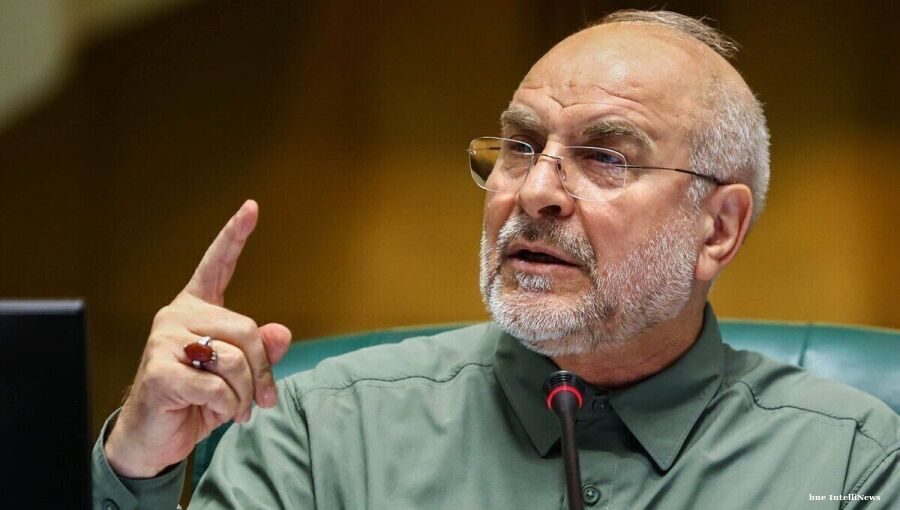
For global energy markets, the implications are immediate and severe. The Strait of Hormuz is a critical bottleneck for world oil supplies. Iran’s parliament speaker and chief negotiator, Mohammad Bagher Ghalibaf, made the supply risk explicit, stating that in a region where Iran is prevented from selling oil, "no one would sell oil." He framed the conflict's logic as "either everyone or no one."
The Khatam al-Anbiya headquarters confirmed the strait currently remains closed to standard maritime traffic. Vessels wishing to pass must use a designated route under previously announced Iranian arrangements. The military body warned that US pressure would only result in a widening of the war beyond the region.
Furthermore, the standoff introduces direct operational risks for neighboring Gulf states that host US troops. Majid Mousavi, head of the aerospace force of the Islamic Revolutionary Guard Corps (IRGC), threatened that if Iranian power stations are hit, "the power outage of the allies and hosts of the child killers is certain."
The current crisis stems from the collapse of a memorandum of understanding intended to end the conflict. Iran claims the failed deal granted it authority to manage the waterway. The Trump administration, however, insists the strait must return to its pre-conflict status as an international free passage.