Southwest profit climbs 9% as fares rise, but Q3 outlook falls short
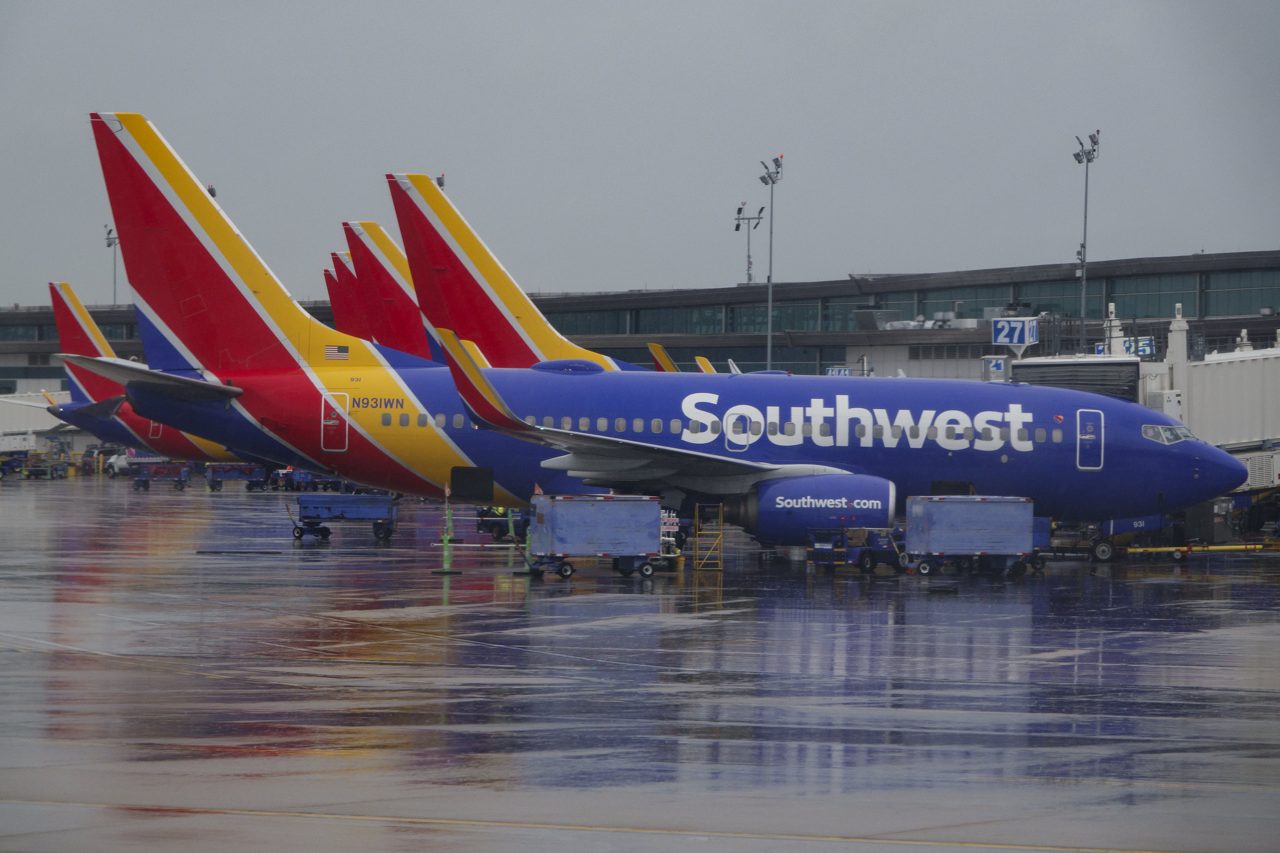
Southwest Airlines reported a second-quarter profit beat driven by aggressive fare hikes that offset volatile fuel costs, but a disappointing third-quarter profit outlook signals lingering investor concerns about the carrier's ongoing business model overhaul.
Southwest Airlines posted a 9.4% rise in second-quarter net income to $233 million, easily beating Wall Street expectations on both the top and bottom lines. However, the carrier faces immediate headwinds after it issued a third-quarter adjusted earnings forecast of 50 cents to 75 cents per share, falling well short of the 82-cent analyst consensus.
The quarterly profit beat was underpinned by aggressive pricing. Southwest pushed its average one-way fare up almost 21% to $225.61, a necessary move to offset a 67% surge in its fuel bill to $2.22 billion. While fuel costs have retreated from record highs sparked by the Iran war, the airline successfully held onto prior fare gains. Excluding one-time items, adjusted earnings reached 94 cents per share, crushing the 51-cent estimate, while adjusted revenue hit $8.72 billion against an $8.58 billion target.
These fare increases are the direct result of a radical dismantling of Southwest's decades-old business model. Over the past two years, the airline has scrapped its open-seating policy, introduced basic economy fares, and ended its hallmark policy of allowing two free checked bags. Chief Financial Officer Tom Doxey noted that accompanying investments in aircraft and amenities are successfully attracting higher-yielding business travelers. "The demand environment just remains really strong, and that includes domestic," Doxey said.
Despite projecting robust third-quarter revenue growth of 17.5% to 19.5%, Southwest plans to constrain capacity, keeping it flat or contracting it by up to 1%. The yawning gap between strong sales projections and weak profit guidance points to ongoing margin pressures. Notably, Southwest's adjusted second-quarter results included a negative adjustment tied to higher-than-expected flight credit redemptions, a consequence of its new policy putting expiration dates on credits sold starting in mid-2025.
For market participants, the earnings report highlights a carrier in transition. Southwest is proving it can generate the revenue required to cover volatile input costs, but the forward guidance indicates the bottom-line benefits of its historic overhaul remain a work in progress. The company expects full-year adjusted earnings per share between $3.25 and $4.25.