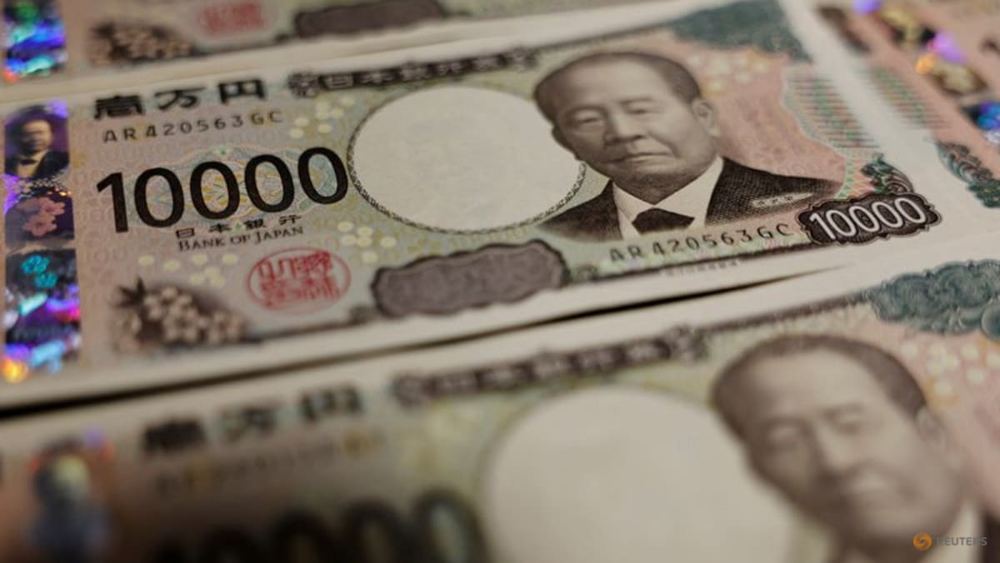
Dollar eases as Iran tensions spike oil, yen holds near 40-year low
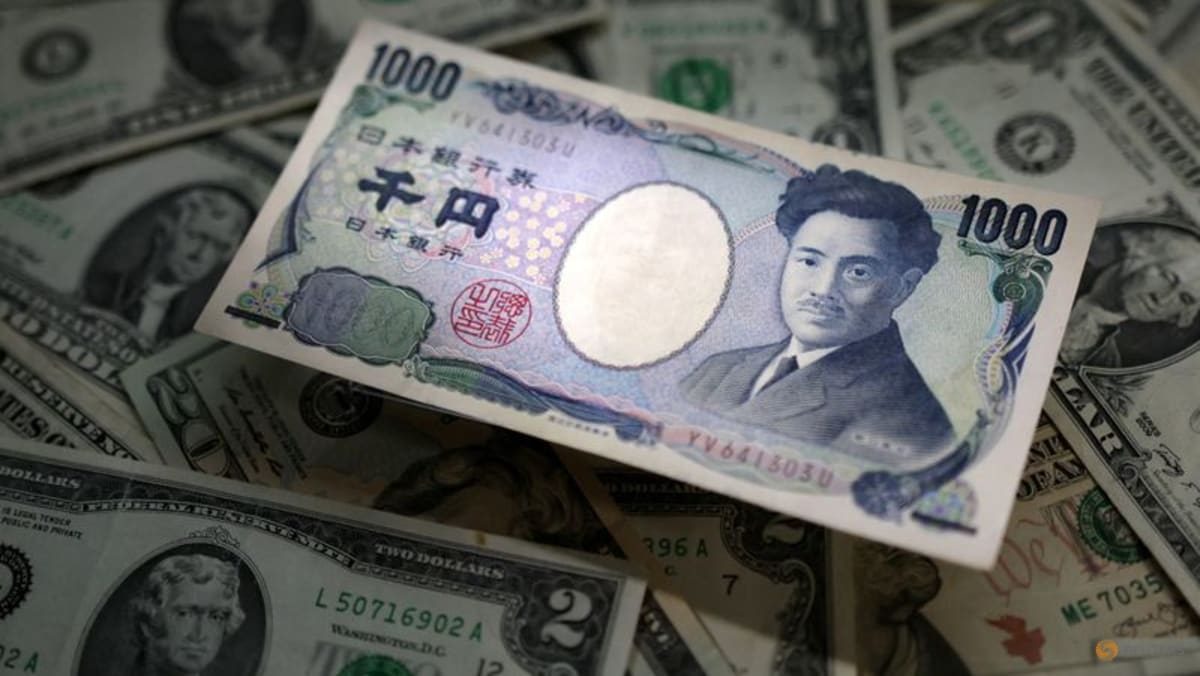
Escalating U.S.-Iran hostilities are reversing the oil-driven disinflation trade, lifting Federal Reserve hike expectations and pushing the yen toward levels that historically trigger Tokyo's intervention.
The dollar retreated from a one-week high on Wednesday while the Japanese yen staged a marginal recovery from its weakest level since 1986. The dollar index fell 0.03 per cent to 101.14, snapping a four-day winning streak. The yen traded at 163.14 against the greenback after touching 163.23 on Tuesday.
The primary market driver was a sharp reversal in crude prices, triggered by heightened military tensions. U.S. President Donald Trump pledged to destroy Iranian infrastructure in retaliation for any attacks on shipping in the Strait of Hormuz, while Iran-allied Houthi forces threatened a second critical energy route. Brent crude surged 3.34 per cent to $94.05 a barrel and U.S. crude gained 2.93 per cent to $86.81, reaching six-week highs.
This spike in energy costs abruptly halted the decline in oil prices seen since May, undermining market confidence in easing U.S. inflation. According to CME FedWatch, the probability of a Federal Reserve rate hike at its July meeting has tripled to 31.5 per cent over the past week.
However, the dollar's upward momentum stalled as reports emerged of a mediated 10-day ceasefire proposal for Iran. "Because of the general idea that the scope is so large and this has escalated too much, that there's going to be an immediate attempt to try to urgently end this," said Juan Perez, director of trading at Monex USA. "So that's kind of the narrative and that's helping markets, that's not a very dollar positive thing."
The yen remains the focal point of foreign exchange stress. Traders are weighing the threat of Japanese government intervention against the reality of a massive interest rate differential with the United States. Under Prime Minister Sanae Takaichi, markets suspect Tokyo may pressure the Bank of Japan to delay rate hikes, pricing in only 25 basis points of tightening this year. Yet the BOJ is reportedly on alert for upside inflation risks that could force faster hikes than expected.
Finance Minister Satsuki Katayama reiterated that authorities would act decisively against excessive yen weakness, echoing interventions in April and May when the currency breached 160. According to Deutsche Bank Research's Mallika Sachdeva, Tokyo's next policy levers remain unclear. She noted that mandated capital repatriation by the Government Pension Investment Fund would be bullish for the yen, but if the BOJ "is coopted to support bonds through renewed JGB purchases, this could be very negative."
Elsewhere, the euro was flat at $1.1408. Sterling dropped 0.04 per cent to $1.3366, heading for a fifth consecutive daily decline. The losses came despite UK inflation cooling more than expected last month, offering only temporary relief for new Prime Minister Andy Burnham as he avoids unfunded tax promises ahead of his next fiscal update.