Chiefs Unveil $3B Stadium Plans With Retail Focus
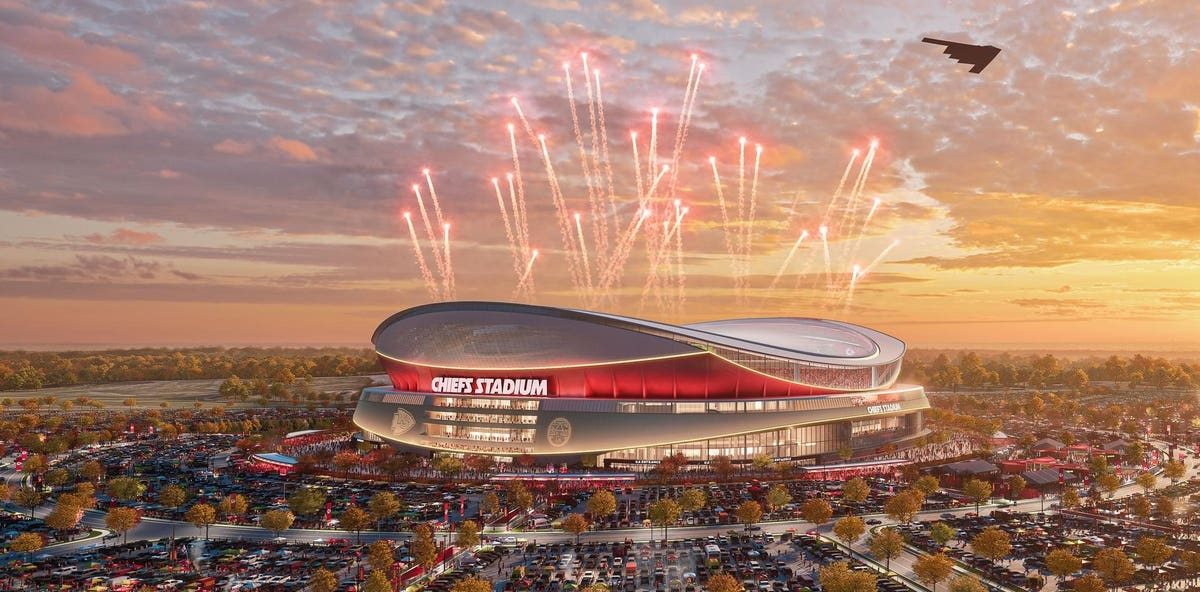
The Kansas City Chiefs named MANICA as the lead architect for a $3 billion closed-roof stadium opening in 2031, featuring optimized seating and a quadrupled retail footprint to maximize revenue.
The Kansas City Chiefs have selected local firm MANICA as the lead design architect for their $3 billion stadium, slated to open for the 2031 NFL season across the state line in Kansas. The venue will feature a closed roof and an approximate seating capacity of 70,000.
While 70,000 seats marks a reduction from the current 73,426 at GEHA Field at Arrowhead Stadium, it avoids the severe downsizing seen in recent NFL construction. The Buffalo Bills are shedding about 10,000 seats in their new venue this season, a trend typically driven by the higher margins of luxury suites and premium areas. By keeping capacity in the top 10 league-wide, the Chiefs are balancing the shift toward premium seating with the need to maintain strong gate-revenue volume.
To drive additional per-capita revenue, the franchise is aggressively expanding its commercial footprint. The team store will grow to four times its current size, aiming to capture greater merchandise sales. The Chiefs Hall of Honor, which currently houses exhibits ranging from historical AFL documents to a Travis Kelce sport coat, will also more than double in size.
However, the stadium's operational design presents a mixed picture for the local game-day economy. The move to Kansas was partly sold on the promise of expanded space, but the new site will actually offer fewer parking spots. The complex will feature just over 20,000 spaces compared to the roughly 26,000 at the current Truman Sports Complex, falling short of the 30,000 that would have maximized the region's tailgating culture.
The facility will use a translucent Ethylene tetrafluoroethylene (ETFE) roof covering 400,000 square feet above the playing surface, allowing natural light while eliminating weather delays that can disrupt broadcast schedules and sponsor activations. The closed roof does surrender a competitive edge; team president Mark Donovan noted last summer that “there’s a home-field advantage to playing playoff games in the cold.”
“It is the honor of a lifetime to be entrusted with designing the next home of the Kansas City Chiefs in our hometown,” MANICA president David Manica said. Owner Clark Hunt called the project "spectacular," stating it “honors the rich legacy of this franchise while setting a bold course for the future of Chiefs Kingdom.”