Peru's Idle Oil Basins Stall Investment Despite Proven Reserves
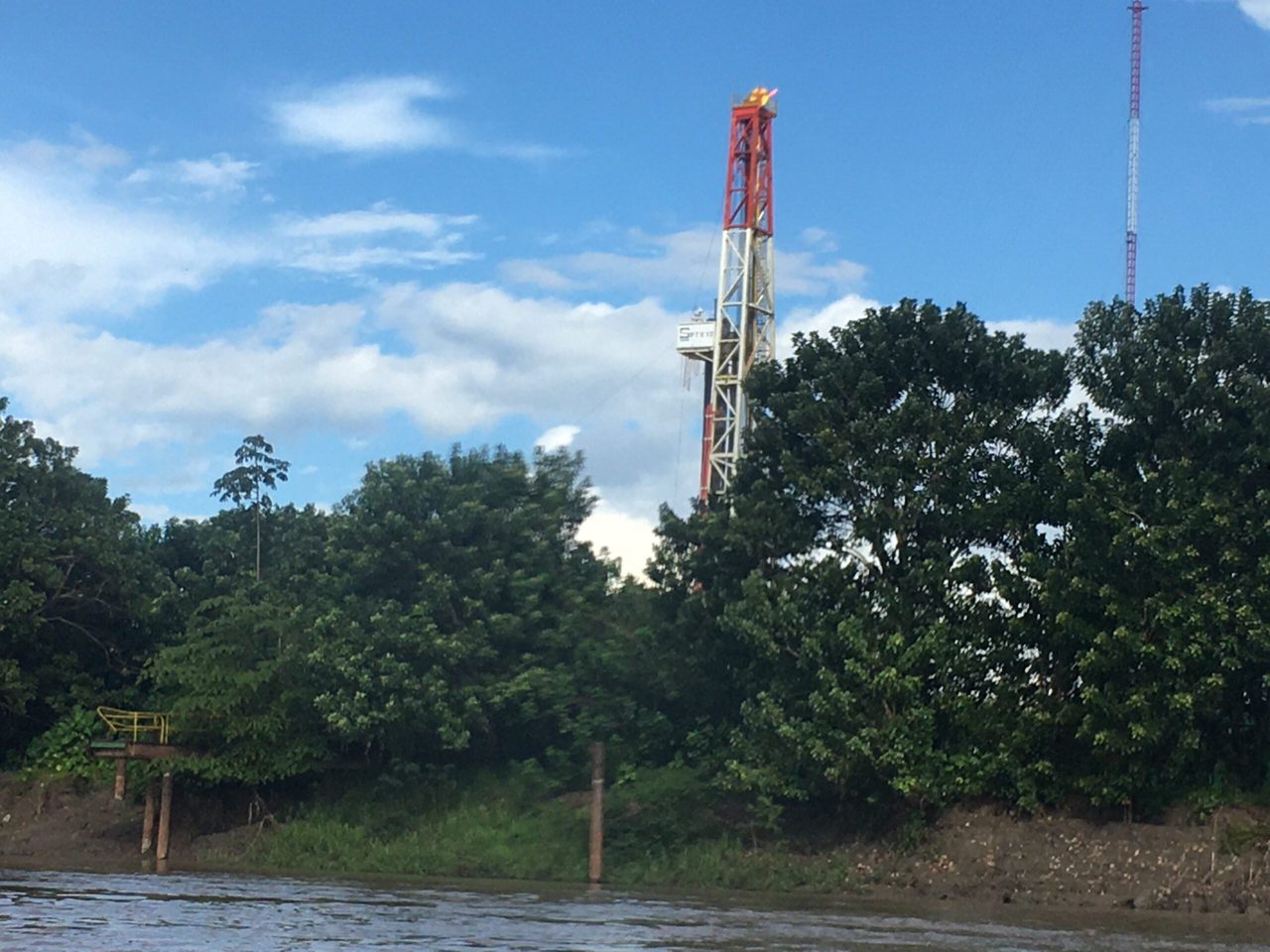
Peru's oil and gas sector remains concentrated in just five of its 18 basins due to missing infrastructure, regulatory delays, and social conflicts, restricting the market to a high-risk frontier play for only the most patient capital.
Peru controls 18 sedimentary basins but extracts commercial hydrocarbons from only five: Talara, Tumbes-Progreso, Marañón, Ucayali, and the Camisea sub-basin. The remaining 13 territories are either entirely unexplored or stalled at preliminary stages, locking away massive energy resources.
The Pisco Basin highlights the gap between geological promise and actual output. Industry estimates peg its prospective oil resources at roughly 449 million stock tank barrels, yet the basin produces nothing. Similarly, offshore gas discoveries in the Tumbes-Progreso Basin sit idle.
The root cause is a lack of infrastructure. Offshore gas cannot reach demand centers because no pipeline networks exist, and there are no local industrial consumers large enough to justify building them. In the Amazonian sub-Andean basins, the absence of roads and processing plants makes operations prohibitively expensive.
Bureaucratic and social friction further deter development. Licensing rounds have been sporadic, leaving prospective acreage in legal limbo without the fiscal certainty required for capital deployment. In the Amazon, securing community consent has become a decisive hurdle, with social conflicts routinely forcing companies to abandon promising blocks.
For markets and portfolio managers, Peru’s hydrocarbons sector presents a textbook frontier-market risk profile. The underlying geology is established; the Talara Basin alone has generated 1.6 billion barrels of oil and 3.5 trillion cubic feet of associated gas across 12,000 wells. However, the above-ground obstacles mean only investors with multi-decade time horizons can realistically participate.
This stagnation creates national supply chain vulnerabilities. Peru is heavily reliant on the Camisea complex, which dominates national output after its natural gas liquids production began in June 2004. Concentrating energy production in a single remote area leaves power and fuel prices exposed to localized disruptions.
Unlocking the idle offshore gas could eventually fuel new industries along Peru's northern coast, but this remains theoretical without pipeline build-outs. For investors watching the sector, the primary indicator to monitor is the frequency and success rate of new licensing rounds. Until the government delivers predictable schedules and resolves community disputes, international energy firms will likely restrict their capital to blocks adjacent to existing infrastructure.