SQM, Wesfarmers commit $1bn to double Mt Holland lithium output
Chilean miner SQM and Australian conglomerate Wesfarmers are investing up to $1 billion to double production at their Mt Holland joint venture, a contrarian move to cut unit costs and hedge against regulatory risks in Chile amid a global lithium slump.
SQM and Australian conglomerate Wesfarmers have approved a final investment decision to double output at their Mt Holland project in Western Australia, with each partner committing up to US$500 million.
The capital will fund a second concentrator and an integrated ore-sorting facility at the mine site, located roughly 500 kilometers east of Perth. The upgrade lifts annual spodumene concentrate production capacity from 380,000 tonnes to 760,000 tonnes on a 100% basis. First output from the expansion is targeted for 2030. Additionally, the ore-sorting unit will recover roughly 3 million tonnes of spodumene concentrate over the life of the mine from material previously classified as waste.
The decision is a contrarian bet during a prolonged lithium downturn. Spot prices remain well below 2022 peaks, with one industry data point pegging the May 2026 price at US$2,890 per tonne. Rather than waiting for a price recovery, the 50/50 Covalent Lithium joint venture is prioritizing economies of scale. Doubling the production base spreads fixed costs over a larger volume, improving unit margins even if spot prices remain subdued.
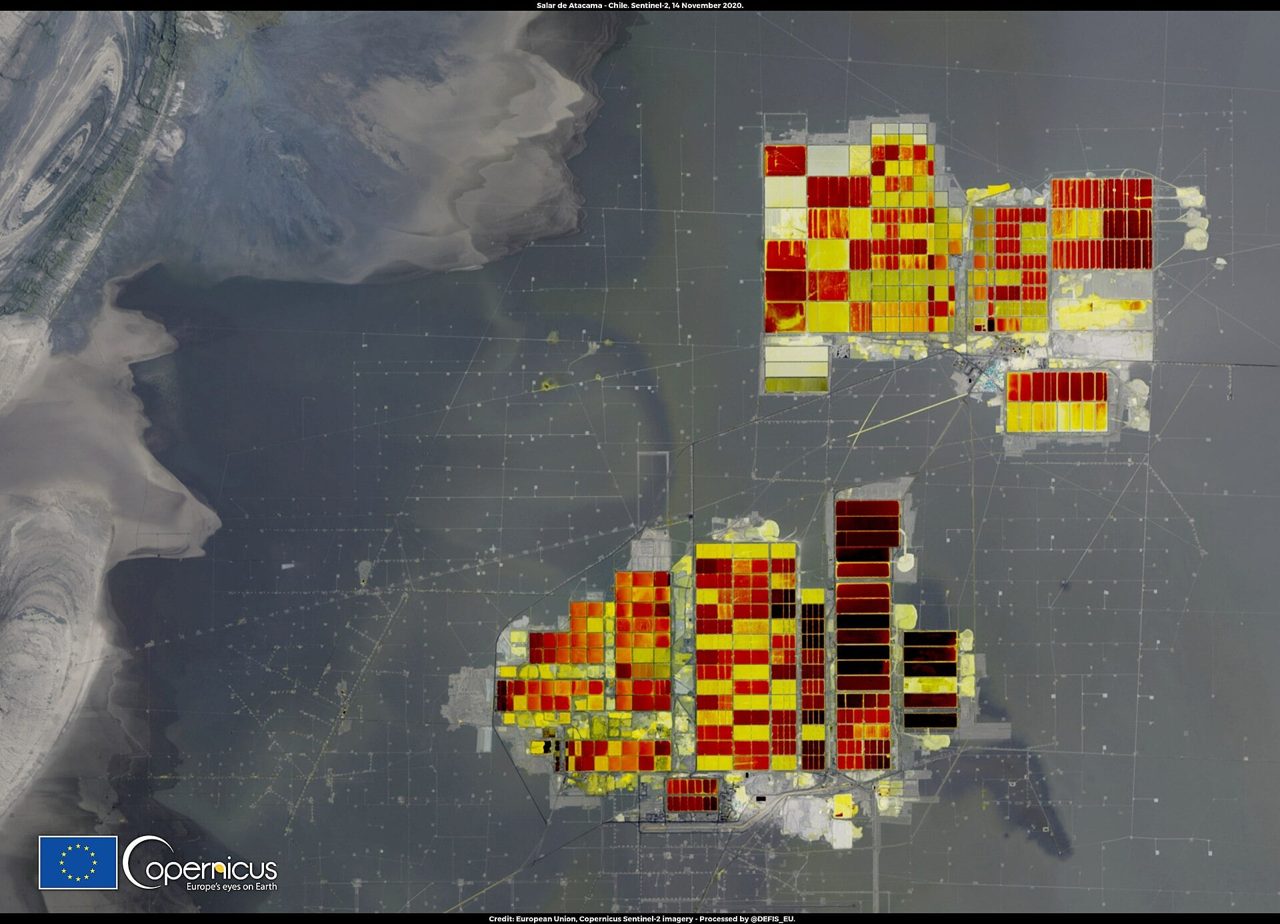
For investors, the significance lies in SQM’s shifting risk profile. The Santiago-based company built its dominance on brine extraction in Chile’s Atacama salt flat. By funding a hard-rock asset in a stable, mining-friendly jurisdiction, SQM is directly hedging against political and operational risks at home, where periodic debates over lithium nationalization have weighed on the stock.
The move also alters SQM’s product portfolio. Hard-rock spodumene is the primary feedstock for Asian battery supply chains, connecting the Chilean miner more directly to customers like Tesla and LG Energy Solution. SQM’s rivals have pulled back on capacity expansions, but this investment signals confidence that electric vehicle demand will tighten the lithium market later in the decade. Analysts forecast the global lithium market could triple in size by 2035, positioning the expanded Mt Holland operation to capture cash flow precisely when supply deficits emerge.