Rosatom halves capex as Kazakhstan bans Russian wheat
Russia’s economic strain is radiating outward as state nuclear firm Rosatom halves its investment programme and Kazakhstan imposes a six-month ban on wheat imports, undermining both major infrastructure projects and Moscow’s grip on a key trade bloc.
Rosatom, Russia’s state nuclear corporation, will cut its investment programme by almost 50% this year and reduce operating costs over the next 18 months due to difficult economic conditions. Director General Alexei Likhachev said several projects have been postponed or cancelled through 2030 based on expected returns, though he did not specify which ones.
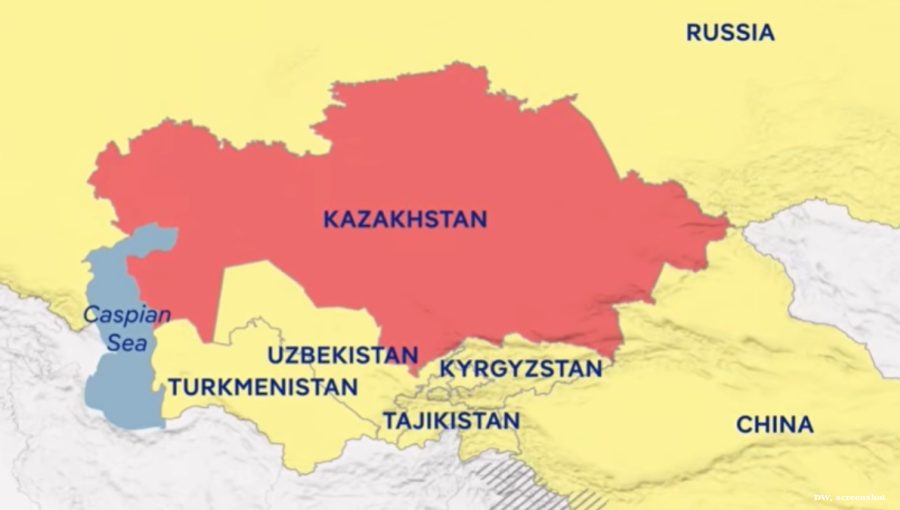
The cuts cast doubt over planned nuclear expansions in Central Asia. Kazakhstan selected Rosatom in 2025 to build its first nuclear power plant near Lake Balkhash, while Uzbekistan has signed preliminary agreements for a separate nuclear complex. The sudden pullback raises immediate questions about the viability and timeline of these energy infrastructure projects.
Separately, Kazakhstan is moving to protect its domestic agriculture from a flood of Russian grain. Starting July 27, the country will ban most wheat imports by road, rail and water for six months to support local farmers and clear large carryover stocks ahead of the harvest. While the restriction applies globally, the Grain Union of Kazakhstan estimates nearly all of the country’s imported wheat this marketing year originated from Russia.
The ban targets widespread undeclared imports that have depressed local prices. Analyst Evgeny Karabanov noted that trucks crossing the border routinely declared smaller cargoes than they actually carried, allowing cheap Russian wheat to bypass controls. Before a similar 2024 ban took effect, Kazakhstan imported more than 1.1 million tonnes of wheat in just six months.
EEU trade frictions
The measure highlights the growing fragility of the Eurasian Economic Union (EEU), the Russia-led trade bloc theoretically guaranteeing barrier-free trade. While Russia has previously retaliated against Kazakh grain restrictions with phytosanitary blocks, experts suggest a different outcome this time. Stephen M. Bland of The Times of Central Asia noted the new ban applies equally to all foreign suppliers and preserves industry exemptions, making formal retaliation less likely.
These localized disputes reflect a broader erosion of Russian economic leverage. Ukrainian drone and missile strikes on Russian refineries have damaged domestic processing capacity, increasing Moscow's dependence on imported refined petroleum products from China. Beijing is actively exploiting this shift, having reportedly refused to supply marine propulsion systems for Russia's Northern Sea Route expansion.
In the gas sector, the proposed Power of Siberia 2 pipeline remains stalled. As Russia loses its European pipeline market, Beijing is leveraging its position as the only viable alternative buyer to push for a domestic pricing formula far below Moscow's target.