CLARITY Act ethics rules target Trump to secure Senate votes

Senate Republicans have proposed temporarily barring federal officials from issuing digital assets in a bid to secure the bipartisan support needed to pass the first comprehensive US crypto market structure bill.
Senate Republicans released the 616-page Digital Asset Market Clarity (CLARITY) Act on Wednesday, featuring a provision that temporarily bars all federal officials, employees, and their spouses from issuing or sponsoring digital assets. The proposed ban, which the White House called the “most comprehensive and wide-ranging ethics provision in history,” would expire on January 20, 2029.
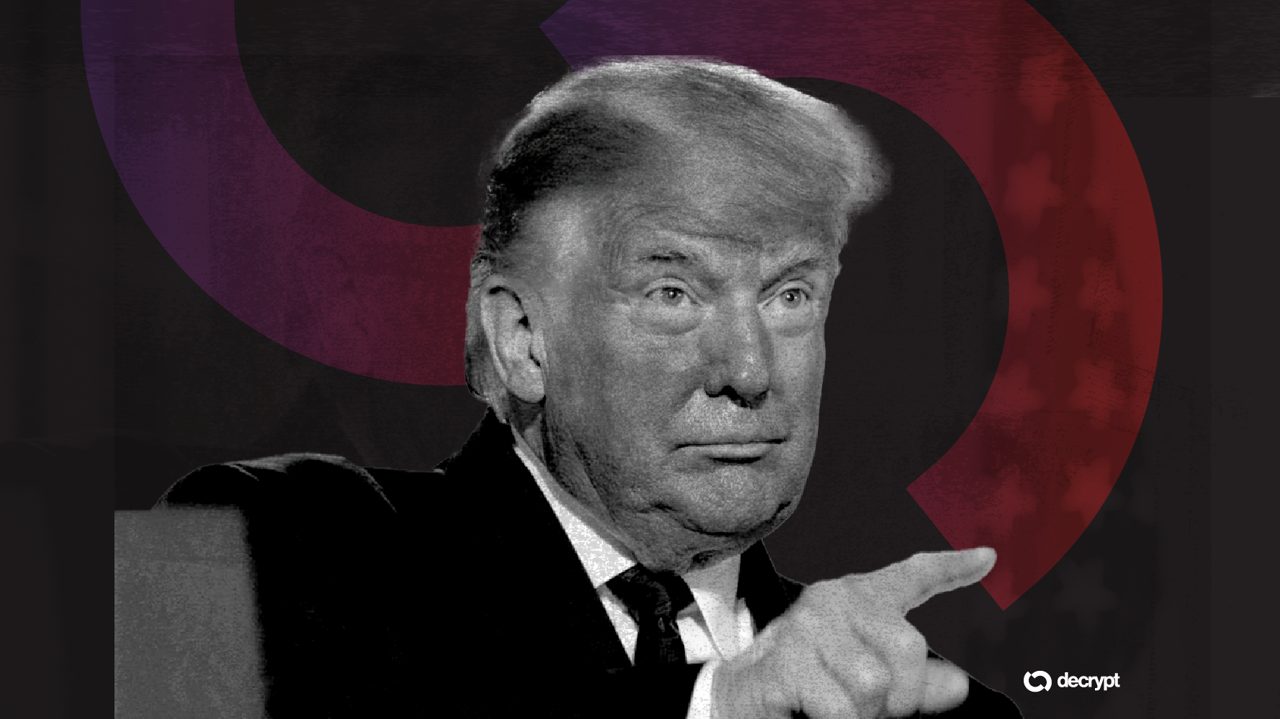
The rule is explicitly aimed at President Donald Trump, who has earned more than $1.4 billion in 2025 from his crypto ventures. Senator Cynthia Lummis, a chief advocate of the legislation, confirmed the language applies directly to the president. Crypto platforms would also be legally blocked from listing any assets tied to federal officials under the proposed framework.
However, the proposed text omits the children of public officials from the ban. This leaves Trump’s three sons, who co-founded the World Liberty Financial crypto business and launched American Bitcoin, free to continue operating. For market participants, this carve-out limits the practical impact of the ethics provisions on the first family's overarching digital asset empire.
The inclusion of these ethics rules is a calculated attempt to clear the bill’s biggest legislative hurdle: securing 60 votes in the Senate. Many Democrats have refused to support any crypto legislation without strict ethics language to address the president’s crypto ventures. Senator Angela Alsobrooks indicated the current text might not suffice, stating she would not support a bill where the Department of Justice handles ethics enforcement.
Placing enforcement authority with the US Attorney General introduces potential conflicts of interest. Trump’s former personal attorney, Todd Blanche, is currently awaiting a Senate confirmation vote to lead the Justice Department. “I wouldn’t support the bill if that’s the language,” Alsobrooks said, though she noted ongoing negotiations to reach an accountability agreement.
Despite the political friction over ethics, the CLARITY Act represents a major regulatory milestone for the digital asset sector. Kristin Smith, president of the Solana Policy Institute, noted the legislation establishes a full disclosure regime, addresses illicit finance, and improves spot market regulation. Lummis defended the bill’s teeth, stating it applies one ethics standard to everyone and is backed by “real enforcement, real penalties, and a Department of Justice mandate to act. This is not talk.”
Senate Majority Leader John Thune plans to bring the bill to a floor vote next week, regardless of whether Democratic support has materialized. For institutional investors and crypto executives, the vote will determine whether the US finally establishes a durable market structure framework or remains in a prolonged state of legislative uncertainty.