US Senate crypto bill races recess deadline amid Trump ethics row
A final draft of the Digital Asset Market Clarity Act is circulating, but its fate hinges on a conflict-of-interest provision targeting the president’s crypto holdings, which Democrats reject as unenforceable.
A working draft of the Digital Asset Market Clarity Act is circulating among industry insiders as the US Senate enters a critical 16-day window to pass the flagship crypto market structure bill before its summer recess. The latest text, clocking in at hundreds of pages, finally includes a contentious ethics section that would temporarily ban senior government officials from direct digital asset ties.
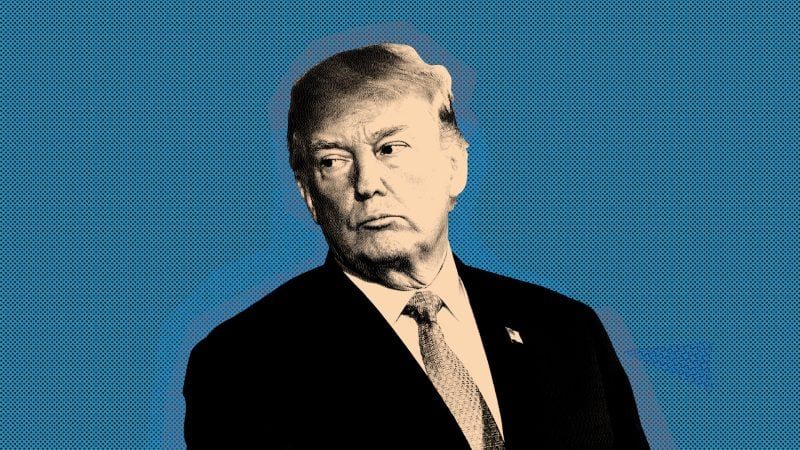
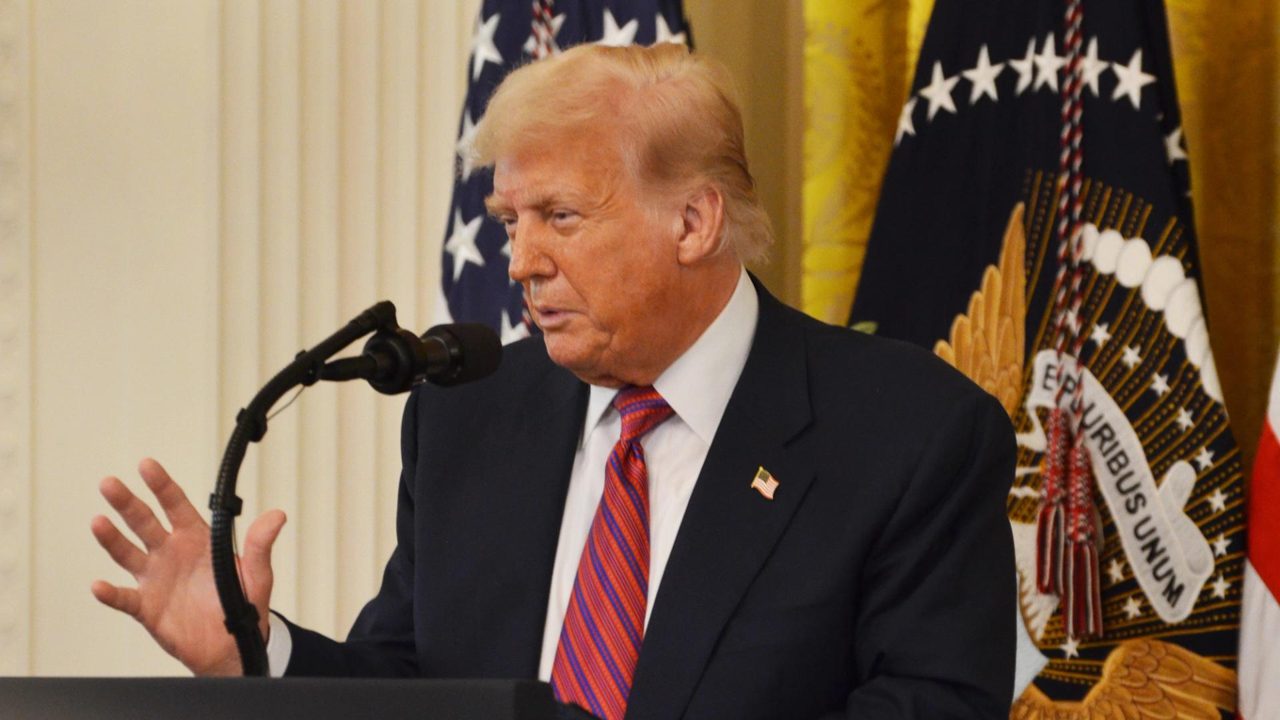
The conflict-of-interest provision is the legislation's largest remaining hurdle. It would require regulators to implement new ethics constraints within a year of enactment and sunset in 2029, leaving the Department of Justice to police complaints. The measure directly targets President Donald Trump, whose financial disclosures revealed over $1 billion in crypto earnings last year and an ownership stake in World Liberty Financial. A White House official stated Trump had agreed to "the most comprehensive and wide-ranging ethics provision in history."
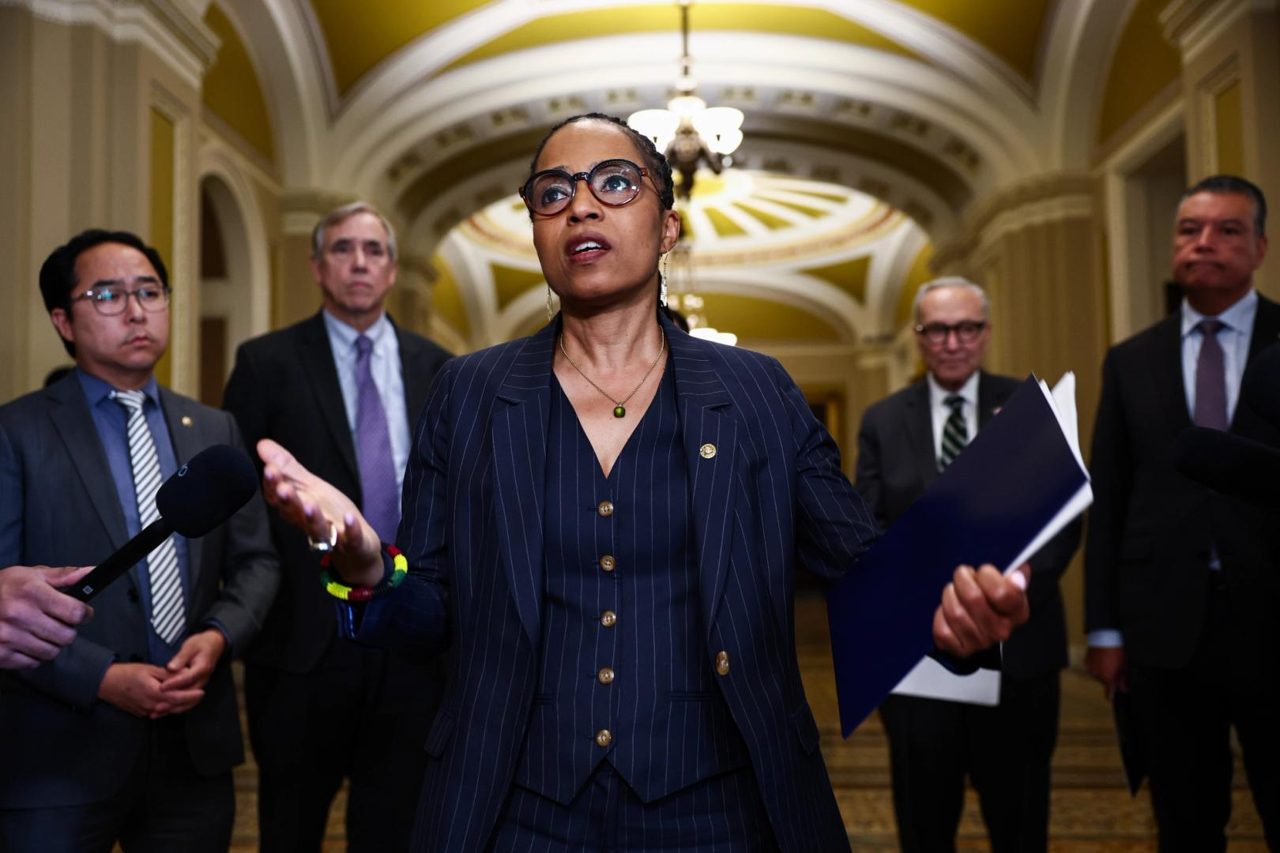
Securing the 60 votes needed to pass the bill requires at least 10 Democrats, but the party remains fractured. Democratic lawmakers had not yet seen the draft as of Wednesday. Senator Angela Alsobrooks, a crucial committee vote, dismissed the proposed DOJ enforcement mechanism. "This DOJ enforcing an ethics provision? That's an unserious offer, and I wouldn't support the bill if that's the language," she said. Republican lead negotiator Senator Cynthia Lummis countered by expressing her "commitment to reaching a deal in the coming days."
For market participants, the underlying legislation outlines the first comprehensive regulatory framework for digital assets. A significant relief for the decentralized finance sector is the retention of the Blockchain Regulatory Certainty Act, which exempts developers who do not control user assets from being classified as money transmitters. According to Miller Whitehouse-Levine, CEO of the Solana Policy Institute, the bill would establish clear rules for token fundraising, regulate exchanges, and direct agencies to create pathways for tokenized securities and futures markets onchain.
Not all financial institutions are satisfied. Banking trade associations warned that the current language regarding stablecoin yield products "still puts at risk the local lending that drives economic activity in the U.S." With the Senate leaving Washington in early August and midterm election politics soon dominating the agenda, Majority Leader John Thune is pushing for immediate floor action. Digital Chamber CEO Cody Carbone called the draft "a meaningful step," but the bill's survival ultimately depends on resolving the standoff over presidential ethics.