EU clears $110B Paramount-Warner deal as US legal risk grows
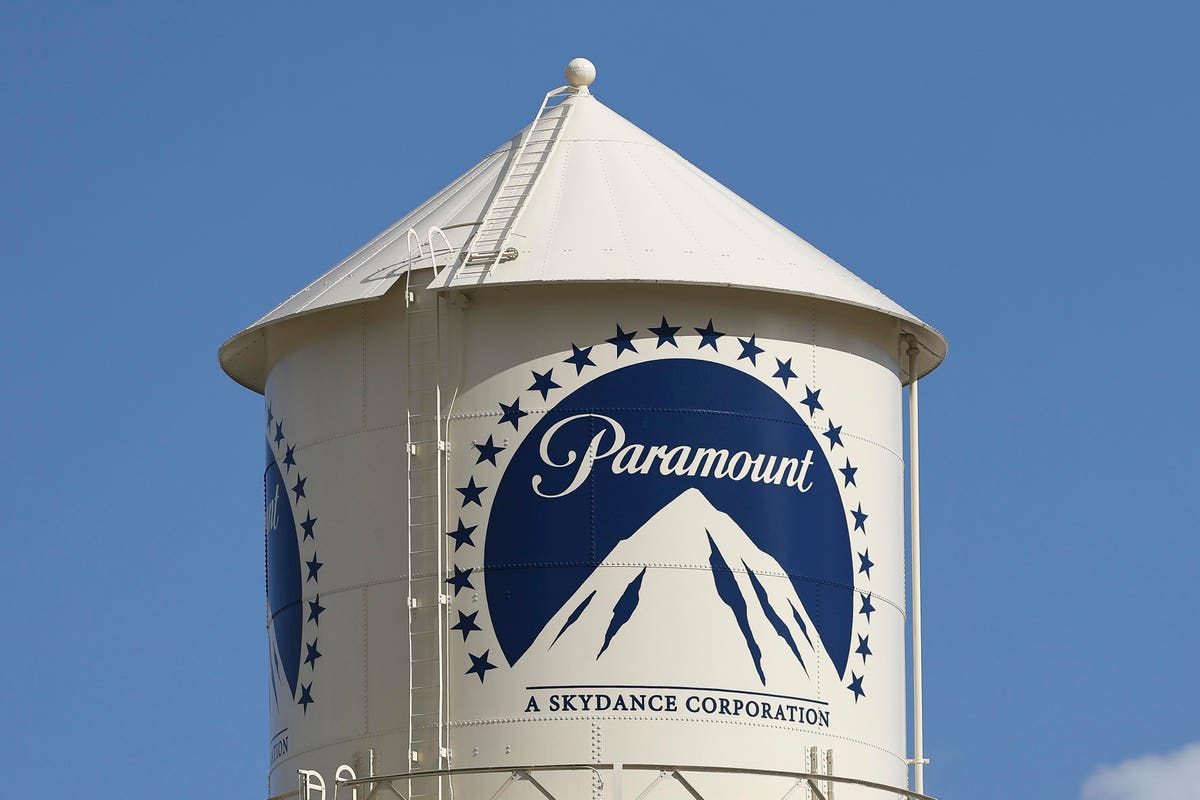
European regulators have cleared Paramount’s $110 billion takeover of Warner Bros. Discovery, but the deal faces a crippling financial timeline as a US judge blocks the transaction.
The European Commission approved Paramount Skydance’s $110 billion acquisition of Warner Bros. Discovery on Wednesday. The decision clears a major international hurdle for the legacy media combination, though the transaction remains in legal jeopardy in its home market.
To secure Brussels’ blessing, Paramount conceded to strict conditions. The company agreed to sell its stake in a European film distribution joint venture with United International Pictures. It also committed to a 10-year prohibition on forming any European distribution agreements with Universal Pictures. The European Commission stated these concessions “fully address” its competition concerns.
Despite the European green light, the merger's financial viability is increasingly threatened by US litigation. A federal judge temporarily blocked the transaction on Monday, backing arguments from a coalition of 12 states that the deal raises “serious questions” under antitrust law. Judge Araceli Martinez-Olguin scheduled a hearing for August 3, where she could issue a permanent injunction that stalls the deal indefinitely.
A costly delay
The legal standoff places immense pressure on Paramount’s balance sheet. The company is bound to pay $7 million for every day the deal remains open past September 30, a penalty totaling roughly $650 million per quarter. If regulators ultimately doom the transaction, Paramount faces a staggering $7 billion termination fee.
Regulators in the United Kingdom add another layer of uncertainty. The Competition and Markets Authority is expected to conclude its preliminary antitrust probe by August 7. Meanwhile, the merger continues to attract domestic criticism, including lawsuits from Paramount+ subscribers anticipating higher prices and the Writers Guild of America, which warns the combination will harm television and film writers by limiting industry competition.
The US legal friction contrasts sharply with the stance of federal antitrust enforcers. The Justice Department cleared the deal in June, determining it was “not likely to result in harm to competition or American consumers.” However, the states' lawsuit argues the merger threatens the “decline of theatrical exhibition of films,” a claim the recent judicial ruling found credible enough to halt the deal.