Pampa Energía drops rubber unit for $2.7B Vaca Muerta urea plant
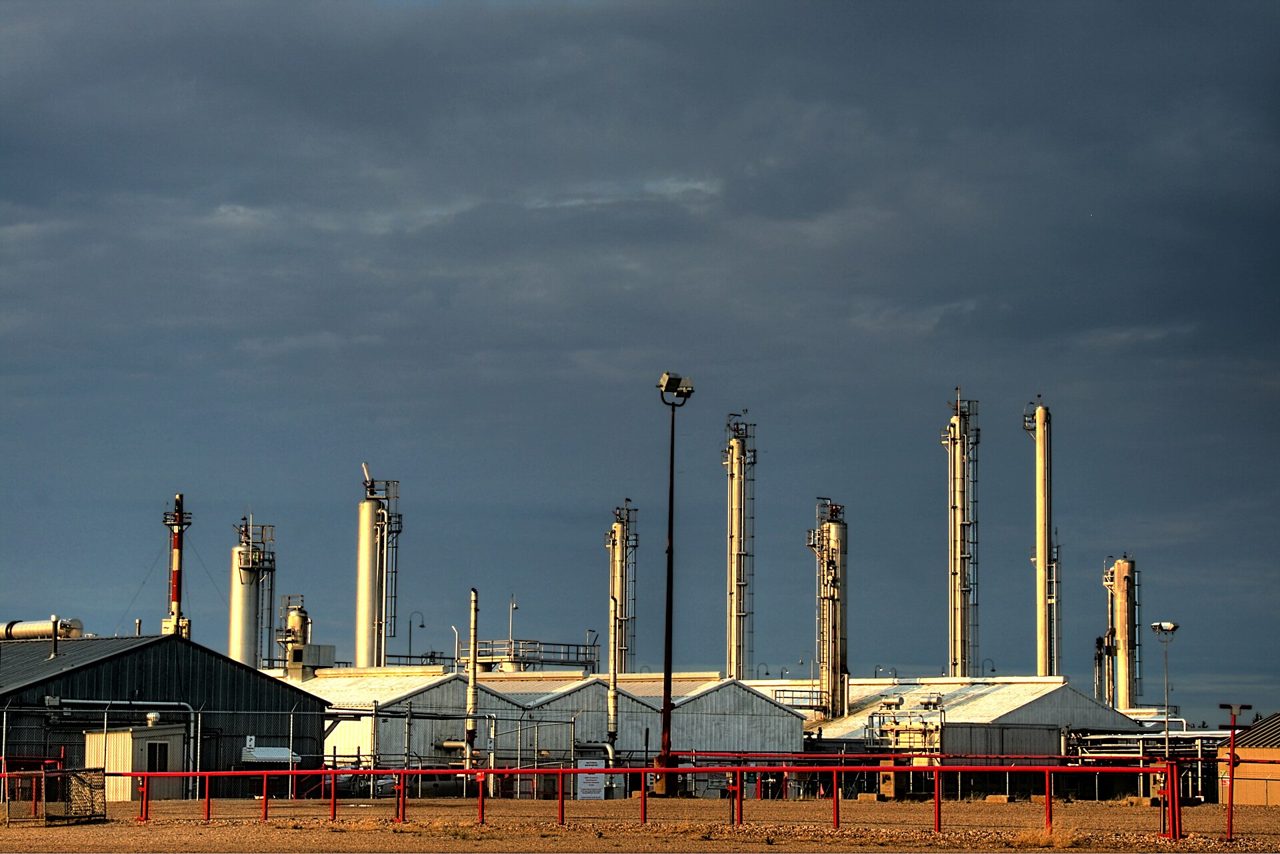
Pampa Energía is shuttering Argentina’s only synthetic-rubber plant to redirect capital toward a $2.7 billion urea export facility, a strategic pivot that hinges on the country's new investment stability regime.
Pampa Energía is closing Argentina’s sole synthetic-rubber plant in Santa Fe province to redirect resources toward a $2.7 billion urea-export facility. The shift marks a decisive move by Argentina’s largest independent energy company away from struggling domestic manufacturing toward capital-intensive, export-oriented production.
The rubber facility in Puerto General San Martín became unviable after local tire-industry demand collapsed and export orders to Brazil evaporated. A global oversupply further depressed international prices, ensuring the operation could not recover. Pampa Energía plans to reassign some of the 130 directly affected workers within the broader complex, though union estimates suggest up to 200 total jobs could be lost.
Capitalizing on shale gas
The company is pivoting these resources toward Fertil Pampa, a major urea plant planned for the port city of Bahía Blanca. The facility will pipe in natural gas directly from the Vaca Muerta shale formation to use as low-cost feedstock. Once operational, the plant is projected to contribute roughly $1 billion annually to Argentina’s economy through import substitution and exports, primarily to Brazil.
Construction is expected to create over 3,500 direct jobs, with around 300 permanent positions remaining once production begins. However, the financial architecture of this $2.7 billion bet relies entirely on Argentina’s Large Investment Incentive Regime, or RIGI. This mechanism locks in tax, customs, and foreign-exchange rules for decades, providing guarantees on profit repatriation, import duties, and corporate taxes.
A test for policy stability
For market participants, Pampa Energía’s dual moves illustrate a broader restructuring of Argentina’s industrial base. Legacy manufacturing tied to local consumption is proving vulnerable to global price swings and domestic demand destruction. The real growth vector instead lies in exporting downstream shale products.
The RIGI framework was built specifically to neutralize Argentina’s historical reputation for sudden regulatory shifts. Whether Pampa Energía can secure final investment decisions and advance engineering contracts for Bahía Blanca will serve as a high-profile test. It will show whether these legal guarantees can genuinely unlock long-term project finance.