Senate Auto Bill Risks Banning Mercedes Over Chinese Stake
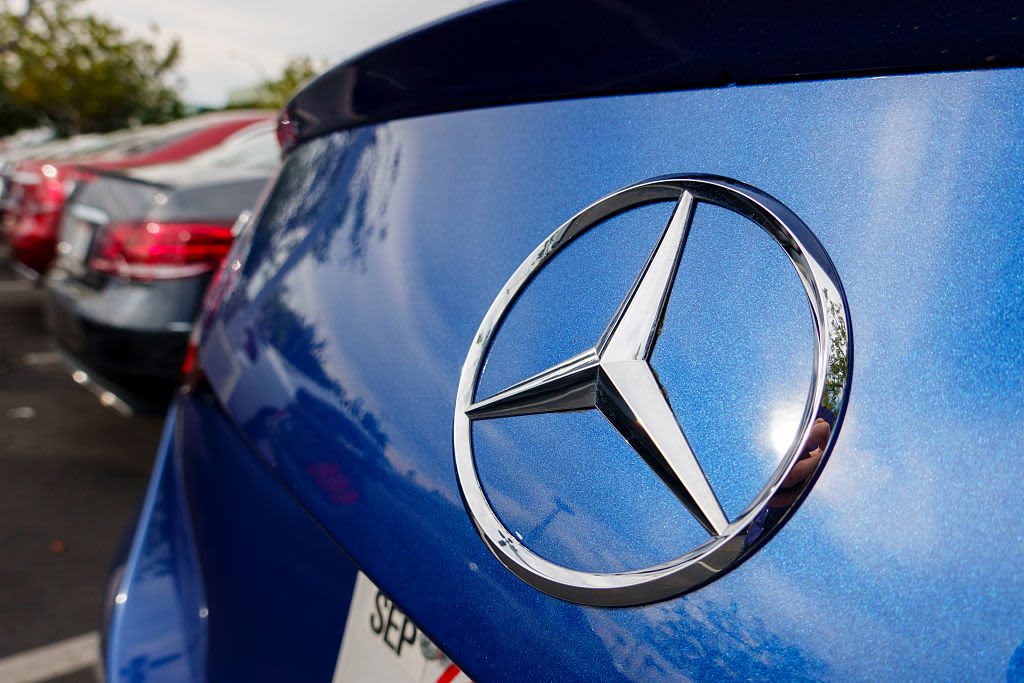
A bipartisan US Senate bill aimed at blocking Chinese vehicle technology could inadvertently bar Mercedes-Benz from the American market, highlighting growing regulatory risks for global automakers with cross-border ownership structures.
The Senate Commerce Committee advanced the Motor Vehicle Modernization Act of 2026 on Wednesday, pushing bipartisan legislation designed to codify federal restrictions on Chinese-linked vehicle technology. The bill targets national security concerns that connected cars could be used to collect sensitive data on American roads.
However, the proposed framework carries significant collateral damage for a major European manufacturer. The legislation introduces a strict 15% threshold for Chinese ownership, a limit that currently encompasses Mercedes-Benz. Two Chinese investors collectively hold nearly 20% of the German automaker: state-owned entity BAIC owns a 9.98% stake, while Geely founder Li Shufu holds 9.69%.
For investors, the prospect of a US ban represents a severe regulatory risk that directly threatens a cornerstone of Mercedes' global revenue stream. The company emphasized its deep integration into the American economy, noting it employs more than 10,000 people domestically and operates critical assembly plants in Alabama and South Carolina. Mercedes declined to comment directly on the legislation.
Lawmakers acknowledged the unintended consequences of the ownership cap. Committee Chairman Ted Cruz stated explicitly that the bill would require modifications before it could become law. "We would never consider" banning Mercedes-Benz, Cruz said.
Senator Bernie Moreno, the Ohio Republican who introduced the bill alongside Democratic Senator Elissa Slotkin of Michigan, outlined a potential path for the automaker. Moreno stated during the markup that Mercedes-Benz would have until 2030 to adjust its shareholder structure to meet the 15% limit or apply for a waiver.
The committee proceedings also exposed competitive fault lines within the US automotive market. Cruz leveled a direct accusation at General Motors, the top-selling automaker in the country. "GM is pushing for this provision to get Mercedes-Benz out of the market," Cruz said, suggesting the Detroit manufacturer aims to weaken the Cadillac brand's primary luxury competitor. Neither GM nor Mercedes-Benz responded to requests for comment regarding the markup.
The legislative momentum signals a hardened stance in Washington against foreign technological integration. "We're preventing an absolute, total, and complete destruction of our industrial base," Moreno said. Market participants must now weigh the likelihood of legislative carve-outs against the rising tide of protectionist policy that threatens to disrupt established global ownership structures.