Nigeria's $500m education drive expands as state loans reach 20,000 students
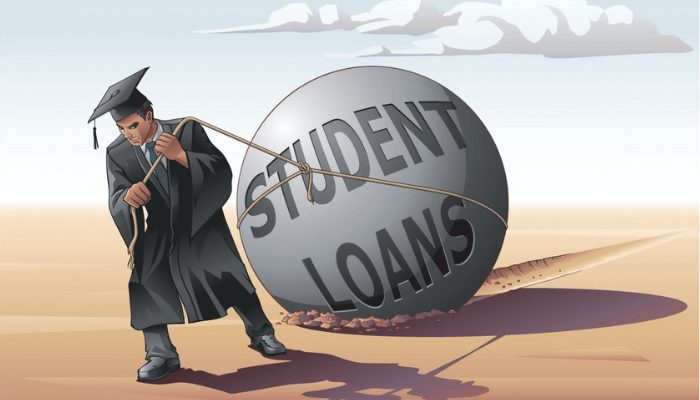
Nigeria is deploying over $500 million in new education funding under a state loan and infrastructure programme aimed at reducing dropout rates and building long-term human capital.
Nigeria has launched the Renewed HOPE-EDU programme, a $500 million initiative aimed at expanding access to education, alongside ongoing disbursements from its federal student loan scheme. The spending highlights the government's fiscal commitment to human capital development under President Bola Tinubu’s economic agenda.
At Prince Abubakar Audu University in Kogi State, more than 20,000 students have received funding through the Nigerian Education Loan Fund since its inception. The direct cash transfers are designed to cover tuition and provide monthly upkeep allowances, preventing financial constraints from forcing undergraduates to drop out.
“The students were jubilating because their pockets were dry. It came at the right time and enabled them to focus on their examinations instead of worrying about money,” said Sani Abdullahi, the university's Deputy Vice-Chancellor (Administration). By subsidising living costs for thousands of students, the federal government is effectively injecting liquidity directly into the local consumer economy.
Capital expenditure extends well beyond direct student financing. The Tertiary Education Trust Fund has financed four major infrastructure projects at the university over the past three years. These developments include a modern Senate Building housing over 100 offices and a 500-seat lecture theatre, representing tangible state investment in physical institutional capacity.
Federal grants are also targeting academic output to improve the country's global competitiveness. “When it comes to research, high-impact publications are critical. TETFund has continued to support our academics through research grants, making our lecturers more competitive globally,” Abdullahi noted. This funding pipeline aims to elevate the institution's academic standing.
The multi-pronged approach signals a deliberate strategy to rebuild Nigeria’s education sector through sustained public spending. “Just a few weeks ago, the Renewed HOPE-EDU programme worth over 500 million dollars was launched to support the education of millions of Nigerian children,” said Fredrick Nwabufo, the Senior Special Assistant to the President on Public Engagement.
For investors and market participants, the scale of these interventions represents a notable addition to the federal government's expenditure profile. The success of the loan programme in retaining students will ultimately determine whether this fiscal outlay translates into a more skilled workforce capable of supporting broader economic growth.