Reeves warns likely PM Burnham of shocks despite growth claims
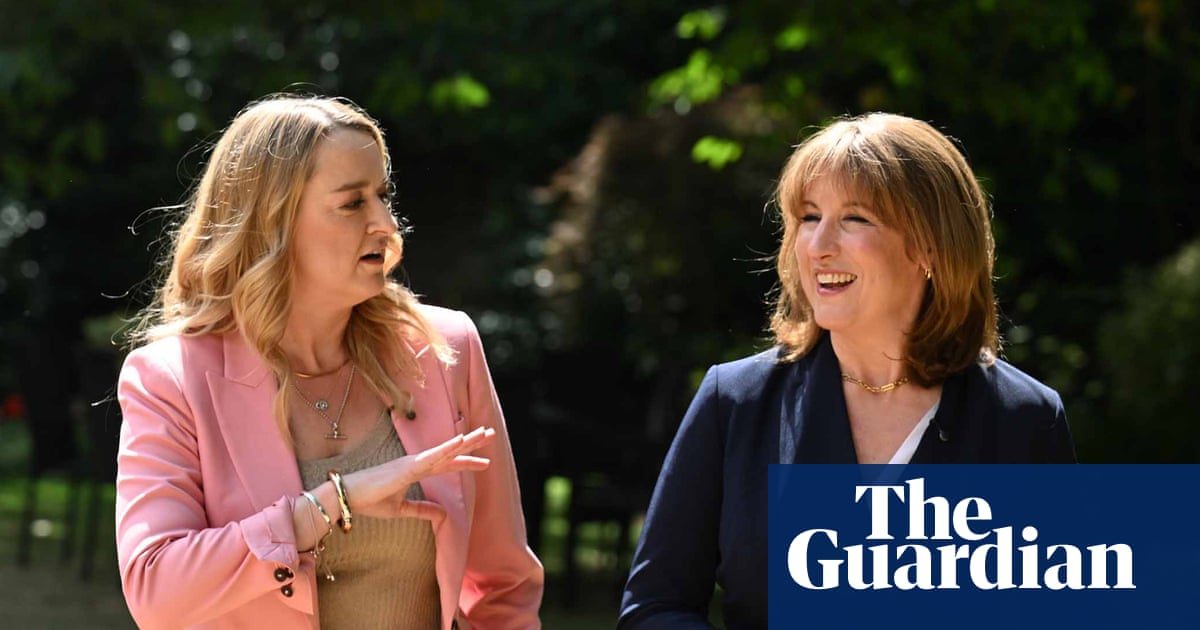
Andy Burnham is set to become UK prime minister by July 20, but faces an immediate test balancing voter impatience for cost-of-living relief against rising public debt and falling disposable incomes.
Andy Burnham is on the verge of becoming the UK’s next prime minister after securing the backing of 322 of Labour’s 403 MPs. This leaves him just one nomination short of mathematically locking out any rival. If no opponent enters the race, he will become Labour leader on July 17 and prime minister on July 20.
Outgoing Chancellor Rachel Reeves has warned Burnham to arrive at Downing Street with a “worked through plan” to handle immediate “shocks and challenges”. Speaking to the BBC, Reeves stressed that “governing is hard in Britain”. Her caution comes as Burnham hints at an early package of cost-of-living support, acknowledging that “people can’t wait for ever for change”.
Reeves insists Burnham will inherit an economy “much stronger” than the one she took from the Conservatives two years ago. She defended her tenure by pointing to recent productivity growth and an expanding economy that has allowed interest rates to fall. She urged critics to look at the "big picture" of her strategy to return stability.
However, the underlying macroeconomic picture presents immediate constraints for any incoming leader looking to deploy fiscal support. The latest Office for National Statistics figures show that families’ disposable income is currently falling. Furthermore, national debt is projected to be higher by the end of this parliament than when Labour originally took power.
Beyond immediate fiscal pressures, Burnham is promising a structural overhaul of the UK economy and governance. He has outlined what he calls the “biggest rebalancing of power Britain has ever seen”. A central pillar of this vision is establishing a new No 10 North hub to oversee the direct distribution of resources and power away from Whitehall to the regions.
The rapid political transition follows what former Transport Secretary Louise Haigh described as Labour’s “disastrous election results” in May. Haigh, a key Burnham ally, noted that he has been actively planning for this leadership moment for at least a year, adding it became obvious “it couldn’t continue the way it was continuing”.
Reeves conceded the government had lost public and parliamentary confidence due to impatience for change, while rejecting claims that cutting the winter fuel allowance caused lasting party damage. “It’s perfectly reasonable for people to have ambition,” Reeves said of Burnham. “And I want him to be ready for that.”