Tempus Drops 7% on $1.5B Personalis Buy; Sector Faces Tariffs
Tempus is paying $1.5 billion for cancer test maker Personalis to capture a $20 billion market, but a sharp stock drop signals investor skepticism, while separate tariff threats loom over generic drugmakers.
Health tech company Tempus, which carries a $9 billion market cap, agreed to buy cancer test maker Personalis for about $1.5 billion. The acquisition deepens a partnership started in 2023 focused on minimal residual disease tests, which detect small amounts of tumor DNA to track cancer treatment efficacy.
The market immediately questioned the premium. Tempus shares fell 7% and Personalis stock dropped 13% through Tuesday’s close. Analysts at Jefferies highlighted that the deal contradicts management’s May assertion that an acquisition offered no advantage over the existing collaboration. “We question if the rationale is intended to offset a slowing core diagnostics business,” they wrote.
Eric Levkovsky, the billionaire founder of Groupon who started Chicago-based Tempus in 2015, defended the move. He noted that once cancer tests are validated, they scale rapidly. “You go from zero revenue for some of these tests to significant revenue,” Levkovsky said.
Generic Tariffs Signal Supply Shock
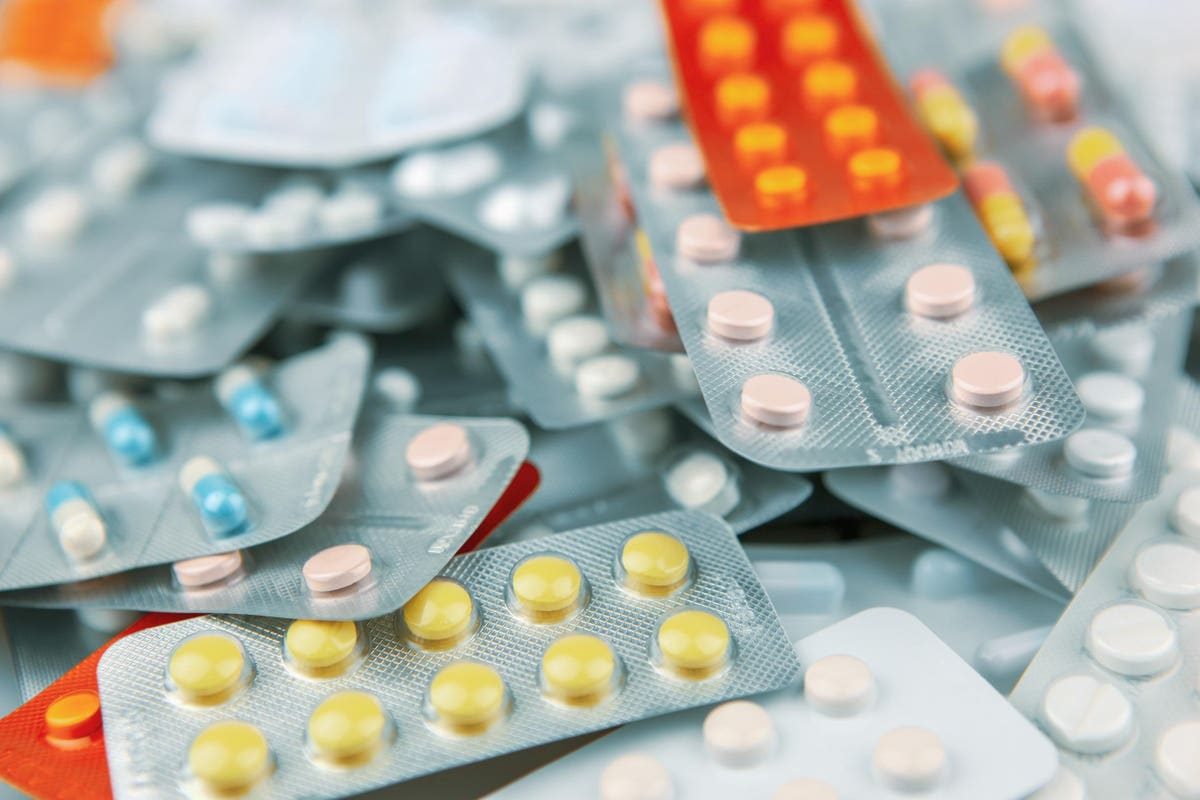
The pharmaceutical sector is also weighing a separate supply chain threat. President Trump announced a plan to impose a 100% tariff on all generic drugs starting in August 2028, rising to 200% the following year.
The policy targets an industry heavily reliant on offshore production. Roughly 90% of U.S. prescriptions are filled with generics, and nearly half of those are manufactured in India. Rajiv Leventhal, an analyst at Emarketer, noted that generic drugmakers lack the operational flexibility of large branded pharmaceutical firms. “Making a two-year shift of manufacturing to the U.S. a gargantuan, if not impossible, undertaking,” he said.
Execution remains highly doubtful. No official executive order accompanied the social media announcement. “The deeper this administration gets into its term, the less certain it has become whether the policy will be implemented as proposed, how it would be enforced, or whether it would ultimately survive,” Leventhal added.
Compounding Pharmacies Eye $3B Peptide Market
Elsewhere, an FDA panel is meeting Thursday to consider legalizing the production of seven peptides. The illicit market for these treatments is estimated at $3 billion. Compounding pharmacies are positioning to capture that revenue if regulators provide approval. “We’d love to make them, and we’re getting ready to do it,” said Mike Walker, cofounder and president of Strive Pharmacy.