Tesla deliveries surge past estimates while capital spending lags
Tesla exceeded second-quarter delivery expectations by a wide margin, but investors are now focused on whether the automaker can execute its massive artificial intelligence and robotics spending plans.
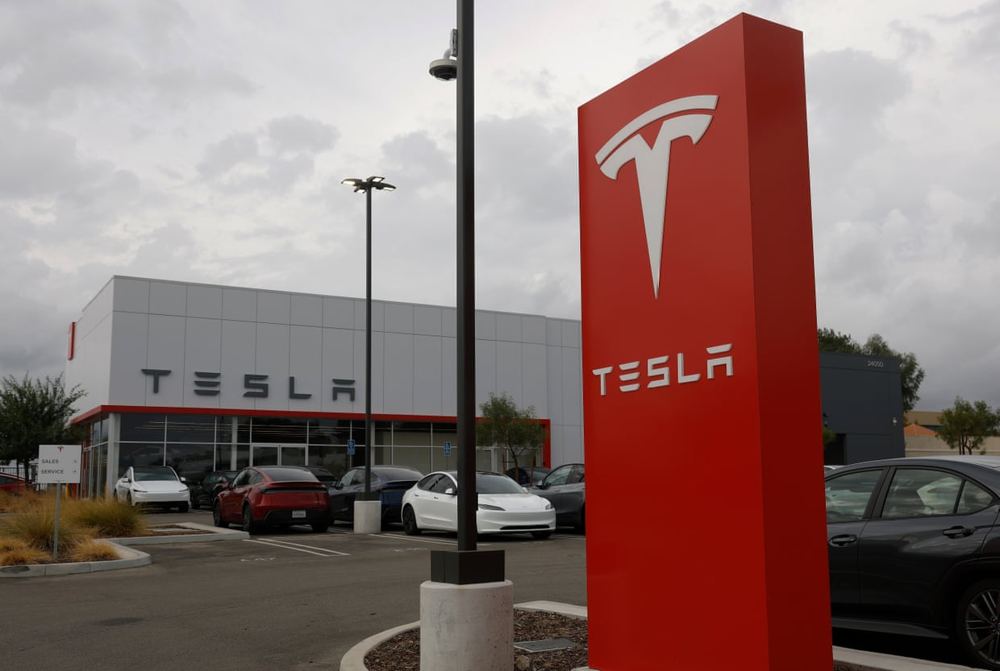
Tesla reported second-quarter deliveries of 480,126 vehicles, significantly surpassing the 406,600 units projected by Wall Street. Production reached 451,758 units for the period, with the Model 3 and Model Y accounting for 467,762 of the total deliveries. This represents a 25 percent increase compared to the same quarter last year.
The volume surge translated into tangible market share gains for the electric vehicle maker. Tesla captured an additional 95 basis points of the global BEV market. Its domestic footprint also expanded by 50 basis points to reach a 46.1 percent share in the United States.
Despite the operational success, the upcoming earnings call will likely focus on capital allocation and cash burn. The company allocated a $25 billion budget for 2026 to finance artificial intelligence infrastructure and Optimus robot development. Analysts anticipate this aggressive investment pace will drive second-quarter free cash flow to approximately negative $3.25 billion.
Bank of America maintains a Buy rating and a $460 price target, arguing the returns on this spending are materializing. The firm notes the robotaxi service now operates in five markets following a July 3 launch in Miami, with the Texas fleet exceeding 175 vehicles. Furthermore, a June pricing study indicated Tesla undercuts Waymo, Uber, and Lyft by 21 percent in San Francisco, though wait times remain three to four times longer as demand outstrips supply.
The Optimus humanoid project remains a critical variable for long-term valuation. Tesla aims to begin initial production in Fremont by late July or August, potentially alongside a Gen 3 reveal. Bank of America expects a gradual ramp-up before humanoid shipments reach meaningful scale later in the decade.
However, execution risks are prompting skepticism regarding the pace of capital deployment among some market watchers. Ipek Ozkardeskaya, a senior analyst at Swissquote, highlighted that Tesla has deployed only about $2.5 billion of its $25 billion budget despite passing the midpoint of the year.
"That raises questions about potential underspending on AI, autonomous driving and humanoid robots, the very ambitions that continue to underpin Tesla's valuation, given that its automotive business remains under pressure from Elon Musk's political controversies and intensifying competition from Chinese EV makers," Ozkardeskaya said. This divergence between strong automotive execution and delayed technological spending leaves investors waiting for clarity on how management plans to balance its core business with its expansive future ambitions.