Houthi Red Sea blockade threatens to cut global oil supply by 7%
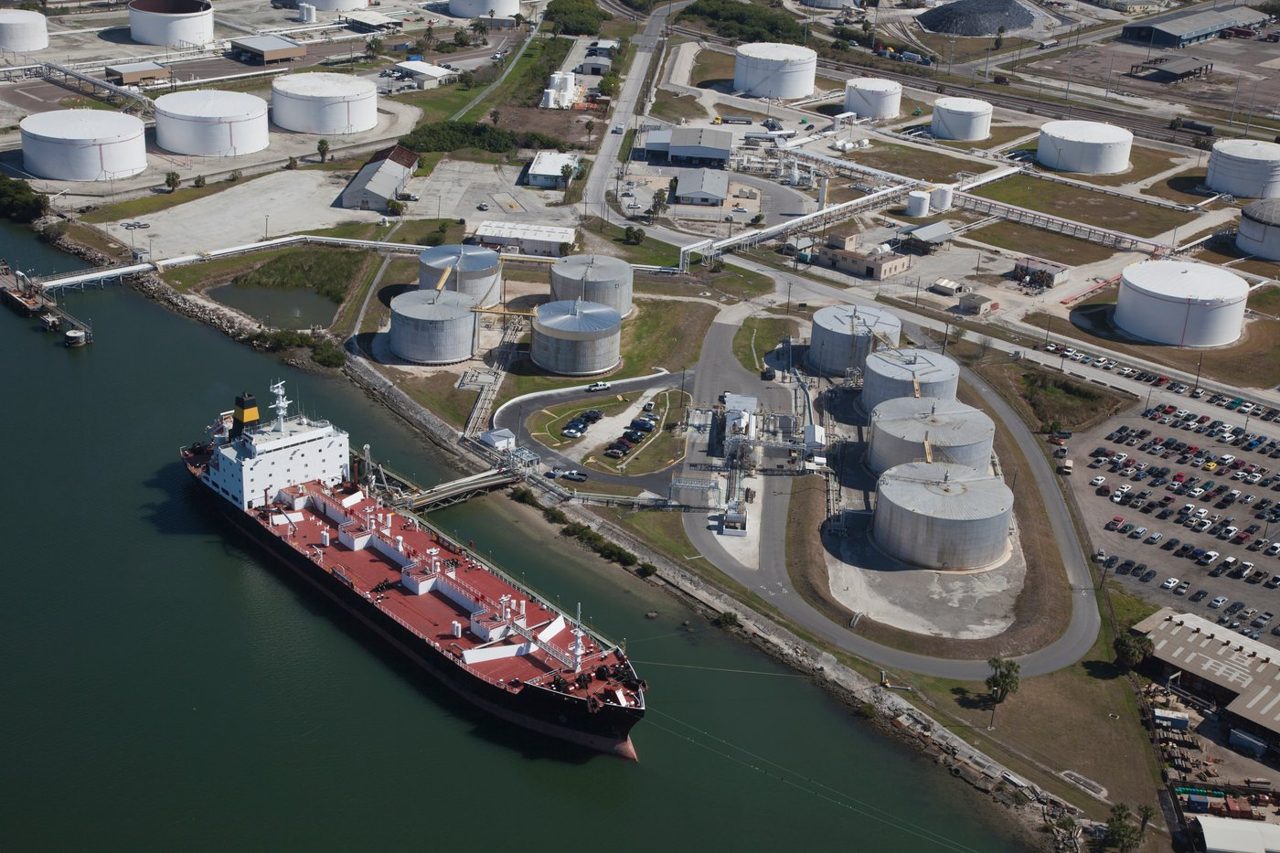
Iran-backed Houthi forces have announced a maritime blockade on Saudi Arabia that could sever a critical Red Sea oil export route, risking a 7% reduction in global supply and severe fallout for corporate profits and consumer spending.
Yemen’s Houthi movement has announced a maritime blockade on Saudi Arabia, citing what it called "an unjust and oppressive siege." The move specifically targets the Bab el-Mandeb Strait, a critical waterway connecting the Red Sea to the Gulf of Aden. A successful closure would sever Saudi Arabia's primary remaining avenue for exporting crude.
Saudi Arabia has relied on this Red Sea passage to keep its oil flowing to global markets because the alternative route through the Strait of Hormuz is already effectively closed by Iran. If the Houthis succeed in shutting down the Bab el-Mandeb Strait, global oil supplies would immediately drop by an estimated 7%, blocking most Saudi exports from leaving the region.
Market pressures mount
Oil markets are already pricing in elevated supply risks. Brent crude has climbed from roughly $72 a barrel to around $89 since early July, when a temporary truce between the United States and Iran collapsed. A successful Houthi blockade of the Red Sea would likely drive prices well beyond these levels.
Sustained higher oil prices pose a direct threat to both corporate profitability and consumer demand. Energy costs act as a broad economic tax, driving up core inflation as businesses face higher input costs, while simultaneously draining consumer wallets and suppressing sentiment.
Corporate margins under threat
The negative impact on corporate earnings is already materializing. PepsiCo reported worse-than-expected second-quarter results, with CEO Ramon Laguarta attributing the softness to higher gas prices forcing consumers to cut back on nonessential purchases like snacks and soda.
Retailers are feeling the strain as well. In May, Walmart warned it might need to raise prices to offset soaring fuel costs after absorbing $175 million in higher-than-expected fuel expenses during the first quarter.
Gasoline prices had briefly receded from a May peak in June but are trending upward again as the U.S.-Iran truce deteriorates. A Houthi blockade would accelerate this inflationary pressure, delivering a simultaneous hit to corporate margins and consumer spending that could weigh heavily on equity markets.