Dollar retreats as Iran conflict spikes oil, yen holds near four-decade low
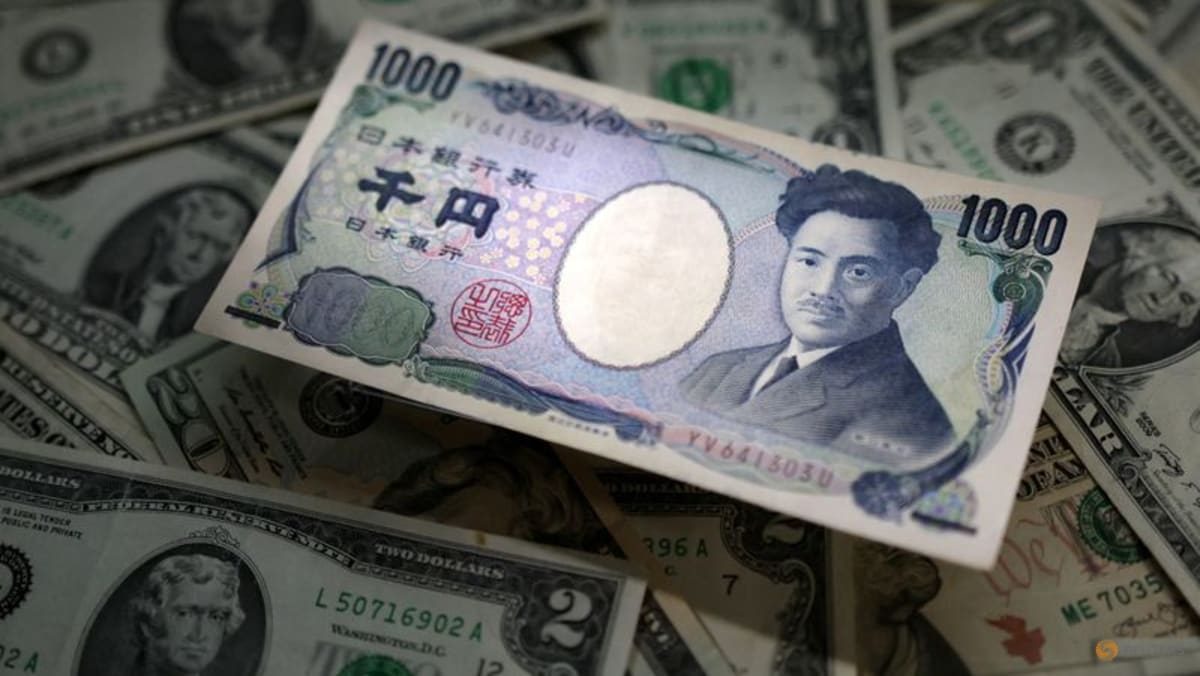
Escalating U.S.-Iran tensions drove crude to six-week highs and revived Federal Reserve hike expectations, though the dollar slipped as markets priced in urgent peace negotiations.
The dollar retreated from a one-week high on Wednesday, snapping a four-day winning streak as shifting geopolitical calculus offset a sharp rise in oil prices. Traders weighed the inflationary impact of the U.S.-Iran conflict against the possibility that the severity of the escalation might force a rapid diplomatic resolution. The dollar index fell 0.08 per cent to 101.10, while the euro rose 0.12 per cent to $1.1411.
Crude prices surged to their highest levels in almost six weeks, with Brent climbing 3.66 per cent to $94.34 a barrel and U.S. crude gaining 3.28 per cent to $87.11. The spike came after four tankers diverted from the Red Sea following threats from Iran-aligned Houthi forces, compounded by U.S. Secretary of State Marco Rubio stating Iran was not serious about peace talks. The oil rebound has abruptly shifted Federal Reserve expectations, with the probability of a July rate hike jumping to 26.2 per cent from 10.7 per cent a week ago, according to CME FedWatch.
Despite the inflationary pressure from energy, the greenback lost ground. "There are negotiations going on in the background, so ultimately, markets are trying to look at it from a different, not necessarily more positive perspective," said Juan Perez, director of trading at Monex USA. "Because of the general idea that the scope is so large and this has escalated too much, that there's going to be an immediate attempt to try to urgently end this. So that's kind of the narrative and that's helping markets, that's not a very dollar positive thing."
Yen faces policy divergence pressure
The Japanese yen strengthened marginally to 163.04 per dollar but remains dangerously close to the 163.23 level touched on Tuesday, its weakest since December 1986. Finance Minister Satsuki Katayama reiterated warnings of decisive action against excessive weakness, echoing interventions seen in April and May when the currency breached 160. However, the yen's broad weakness persists due to the wide interest rate gap with the U.S. and political uncertainty at home.
Markets are pricing in just 27 basis points of Bank of Japan rate hikes this year, according to LSEG data, as investors doubt the commitment of Prime Minister Sanae Takaichi's administration to tighter monetary policy. Yet, sources indicated the central bank remains vigilant to upside inflation risks that could trigger faster hikes than currently priced.
The ultimate trajectory of the currency depends on whether Tokyo prioritizes yield management or foreign exchange stability. "If fiscal capacity is becoming the most important policy criteria, incentives could shift from FX to yield management," said Mallika Sachdeva, head of FX thematics at Deutsche Bank Research. She noted that mandates for the Government Pension Investment Fund to repatriate capital would be very bullish for the yen, but if the BOJ "is coopted to support bonds through renewed JGB purchases, this could be very negative." Sterling, meanwhile, rose 0.05 per cent to $1.3375 as cooler British inflation offered only temporary relief for new Prime Minister Andy Burnham.