AI debt issuance hits $489bn in 2026 tech boom
A record $489 billion of AI-related debt has already been issued this year, fundamentally altering tech balance sheets and pushing credit risks to the fore.
Technology companies have borrowed $489 billion this year to fund artificial intelligence infrastructure, shattering full-year forecasts with five months still remaining in 2026. According to a Wednesday research note from Goldman Sachs strategist Amanda Lynam, this year's volume has already eclipsed the $322 billion recorded for all of 2025.
Hyperscalers account for roughly 40% of this year's supply. Amazon has led the charge by raising about $53 billion through a combination of US and euro-denominated bonds. Alphabet and Oracle have issued approximately $20 billion and $25 billion respectively, while Meta has continued to secure additional financing tied to AI projects after a roughly $30 billion offering late last year.
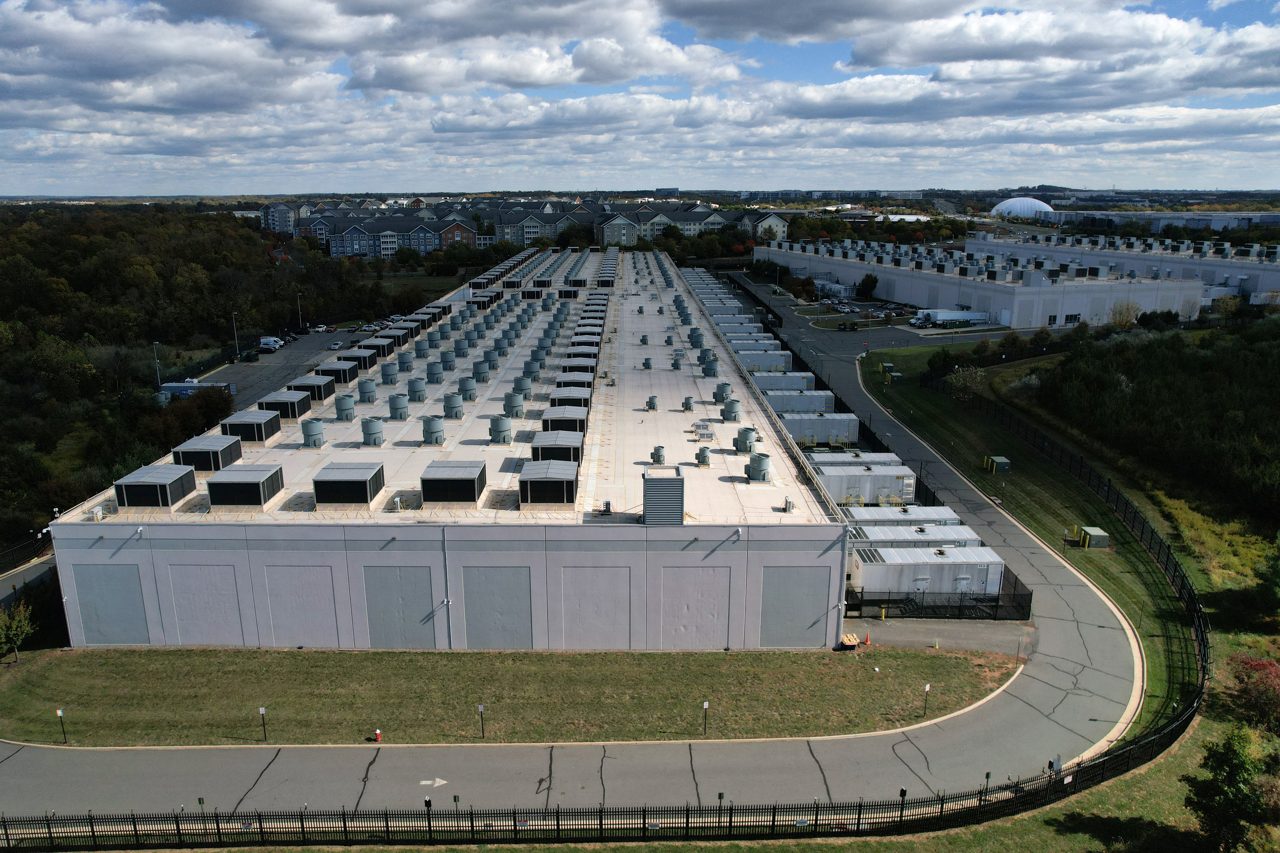
The capital requirements of the AI build-out are pushing companies far beyond traditional corporate bond markets. "We expect a range of financing markets will ultimately be required to satisfy the multi-year funding needs related to the AI build-out," Lynam explained. She noted that this includes investment grade and high yield syndicated credit, private infrastructure markets, and new project finance joint ventures. Goldman estimates nearly $200 billion of data center deals have been completed in private markets since early 2025.
This borrowing spree is straining individual balance sheets and alarming investors. Oracle offers the most stark example of this leverage shift. The company ended its recent fiscal year with $149 billion in long-term debt, a steep increase from $96 billion the prior year, against just $31.3 billion in total cash. The stock has subsequently crashed more than 50% since June 2.
Credit ratifiers and investors are already reacting to the heightened leverage. "I'll tell you there's big execution risk," said Barbara Doran, CEO and chief investment officer of BD8 Capital Partners. "I mean, there's no question they have a huge backlog, although there is big customer concentration risk there. But it's really the debt issue, as we know. And S&P just downgraded to triple B minus. That is one notch above junk status."
The downgrade highlights a critical inflection point for the sector. Companies are essentially betting the house on the assumption that AI demand will remain robust enough to service these massive obligations. As Doran noted, there is room for more capacity, but the timeline for returns is extending just as debt maturities loom.