Oil surges above $95 on Iran strikes, refined products tighten
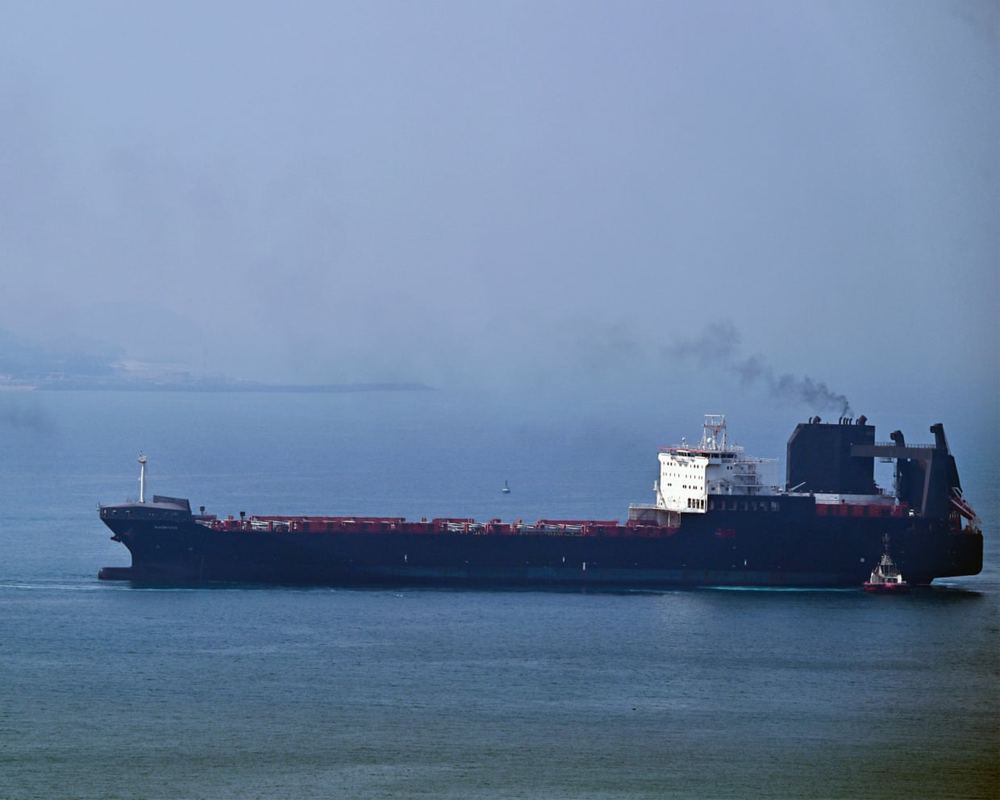
Brent crude surged past $95 a barrel as collapsing US-Iran diplomacy threatens to push prices toward $120 and create severe shortages in refined products ahead of winter.
Brent crude surged past $95 a barrel on Wednesday as renewed US-Iran hostilities and Houthi threats to Saudi shipping reignited fears of a major supply shock. The benchmark price hit $95.24 before easing to $94.40, marking a jump of more than 3% in a single day and the fastest monthly increase since March. The immediate catalyst was an 11th night of US airstrikes on Iranian drone and aircraft facilities, which effectively ended hopes for an interim ceasefire.
The sharp reversal from July's lows of $71 a barrel has put the market on a trajectory toward $120 by year-end, according to Goldman Sachs, unless the Strait of Hormuz reopens to normal traffic. Donald Trump warned that strikes would intensify, noting the conflict has so far cost the US $37.5bn. He explicitly threatened to destroy a bridge or power plant for every Iranian attack on shipping, a prospect that drew a promise of a "powerful and decisive response" from Iranian foreign minister Abbas Araghchi.
For energy markets, the critical danger has shifted from crude availability to a severe squeeze in refined products. Fatih Birol, head of the International Energy Agency, noted that while emergency stock releases and alternative routing by Saudi Arabia and the UAE have buffered crude markets, product supplies are lagging. Slowing purchases by China have forced refineries globally to cut production runs.
"Refinery activity and product supplies have not picked up as much as crude deliveries, meaning that markets for refined oil products, including diesel and gasoline, are considerably tighter than those for crude," Birol said. This dynamic threatens to drive up fuel prices even if crude flows find workarounds.
The spillover into natural gas adds a second layer of risk for European investors and industrial buyers. Increased US and Canadian gas exports have offset roughly 70% of the lost Gulf supply, but European efforts to rebuild depleted winter storage are expected to keep availability tight. Birol stressed that a full, unconditional reopening of the Strait of Hormuz is essential to prevent a further deterioration in global energy security.
The pricing spike is already translating into corporate earnings. Norway’s Equinor reported that second-quarter profits almost doubled to $11.5bn, driven directly by the elevated oil and gas prices caused by the conflict. Meanwhile, the targeting of civilian infrastructure like desalination plants by Iran drew condemnation from the UN secretary general, underscoring the unpredictable, widening nature of the conflict.