Oil Surges as US Threatens to Bomb Iranian Infrastructure Over Hormuz
Oil prices surged past $94 a barrel after President Donald Trump threatened to systematically destroy Iranian infrastructure in retaliation for any attacks on shipping in the Strait of Hormuz, raising the risk of a broader regional conflict disrupting global energy supplies.
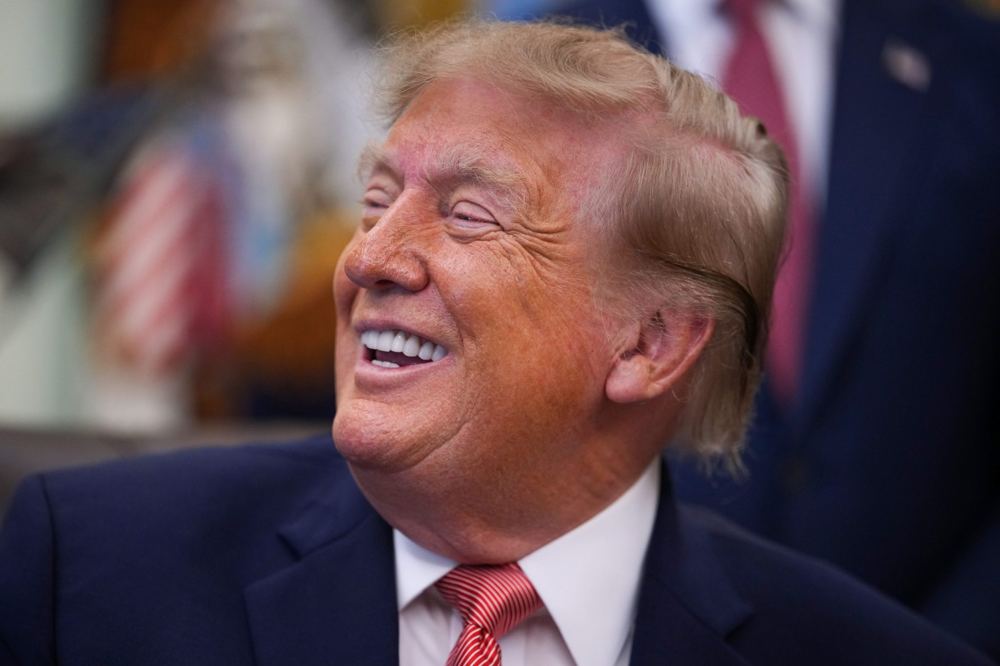
President Donald Trump warned on Wednesday that the U.S. would destroy an Iranian bridge or power plant for every attack on a ship in the Strait of Hormuz. The threat, posted on Truth Social, explicitly included targets in Tehran. "From this point forward, any time the Islamic Republic of Iran shoots at a ship in the Strait of Hormuz, whether it be by Missile, Rocket, Drone, or any other device or weapon, the United States will bomb and destroy ONE BRIDGE OR POWER PLANT," Trump wrote.
The escalation immediately rippled through global energy markets. Brent crude futures for September delivery rose 3.7% to $94.33 per barrel, while U.S. West Texas Intermediate futures gained 3.5% to $87.28. Traders are pricing in the growing vulnerability of a waterway that facilitates roughly 20% of the world's energy supply.
Tehran signalled it would broaden the conflict if Trump's threat is executed. An unnamed Iranian military source told the state-run Tasnim News Agency that Iran would strike back at American-linked infrastructure, bridges, and energy facilities across the region. The source also reiterated Iran's demand to control passage through the strait, stating ships must coordinate their transit with Tehran.
The standoff stems from the collapse of a June 17 memorandum of understanding between Washington and Tehran. The 60-day interim deal had paused military operations and opened Hormuz, but left the waterway's future management unresolved. While the U.S. insists the strait must remain open without compulsory fees, Iran and Oman issued a joint statement on June 23 asserting the coastal states' sovereign rights over the passage.
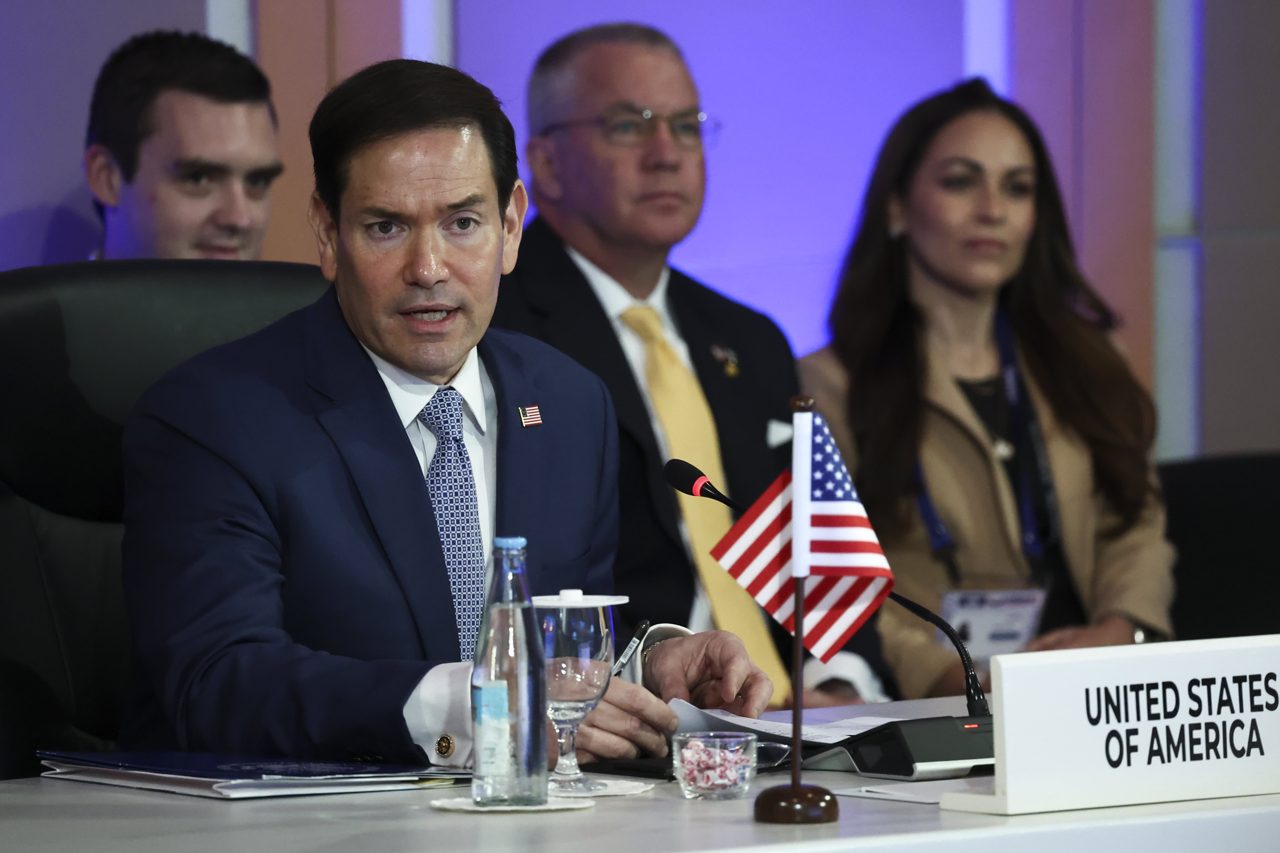
Secretary of State Marco Rubio framed the conflict as a defense of international maritime law. Speaking in the Philippines, he warned that letting a nation state control an international waterway and charge tolls would set a dangerous global precedent. "If we create a precedent in the Middle East, where a nation state can decide that they are going to control an international waterway, charge a toll, and if you don't pay them, blow up your ships, we have created a very dangerous precedent, which will repeat itself in other parts of the world, including in this region," Rubio said.
U.S. Central Command has conducted strikes on Iranian targets for an 11th consecutive night, hitting military operations centers, drone storage, and logistics infrastructure. Rubio maintained that Washington remains open to a deal, stating the U.S. wants an agreement where Iran stops sponsoring terrorism and pursuing nuclear weapons. However, he accused Tehran of violating the recent memorandum of understanding within two weeks, concluding that Iran is not currently serious about a diplomatic settlement.