Offshore liquidity gaps cap yuan's global currency push
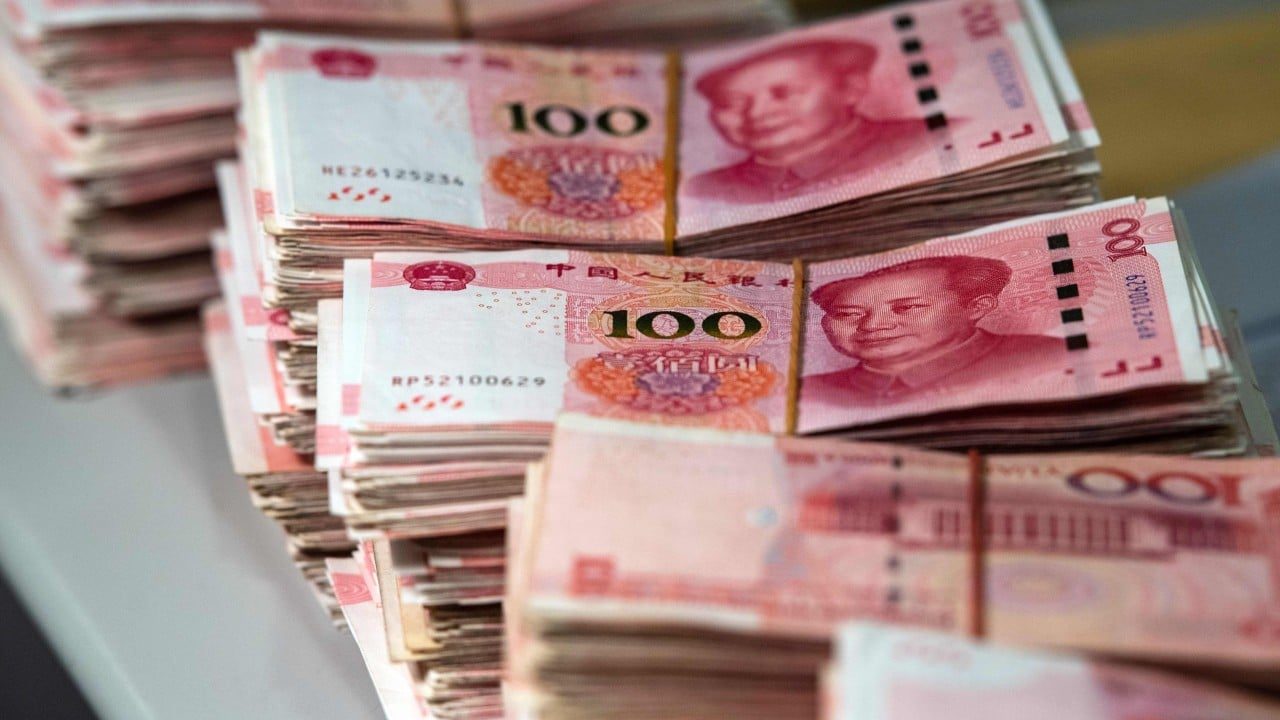
Despite record cross-border trade settlements, the yuan remains a minor player in global finance because corporate treasurers prioritize cheap, reliable offshore funding over geopolitical shifts.
Hong Kong yuan deposits reached 1.13 trillion yuan ($166.3 billion) at the end of May, while monthly cross-border trade settlement remittances topped 1.12 trillion yuan. These figures point to genuine, measurable progress in Beijing’s push to internationalize its currency. Yet the raw settlement volumes mask a deeper structural limitation in the market.
In May, the yuan accounted for just 2.75 per cent of global payments by value on the Swift international payment system. The US dollar, by comparison, dominated with a 50.73 per cent share. This stark disparity highlights that handling trade invoices is only the first step toward true global currency status.
For a currency to wield real international power, it must do more than clear transactions. It must finance large-scale projects, back collateral in complex financing deals, anchor deep hedging markets, and sit comfortably in foreign reserves without unnerving investors. The yuan has established a firm foothold in the first category, but it is still fighting to enter the second.
The primary bottleneck restricting this transition is offshore liquidity. A corporation might readily accept yuan as payment for exported goods, but it must also be able to borrow that same currency, roll over its debt seamlessly, and hedge its exposure when global credit markets tighten. If accessing offshore yuan funding becomes unstable or noticeably more expensive than securing US dollar funding, corporate loyalty vanishes rapidly.
This dynamic carries significant implications for global investors and corporate treasurers. Currency selection is ultimately a matter of operational survival and cost management, not a vehicle for geopolitical signaling. Executives will not risk their working capital to make political statements; they will simply select the cheapest and most reliable instrument available.
Until Chinese authorities can directly reduce these liquidity costs and allay persistent market concerns, the yuan’s internationalization will remain a phenomenon that is stronger on paper than in actual corporate balance sheets.