S&P Upgrades Pakistan to B on IMF Reforms, US Facility Talks
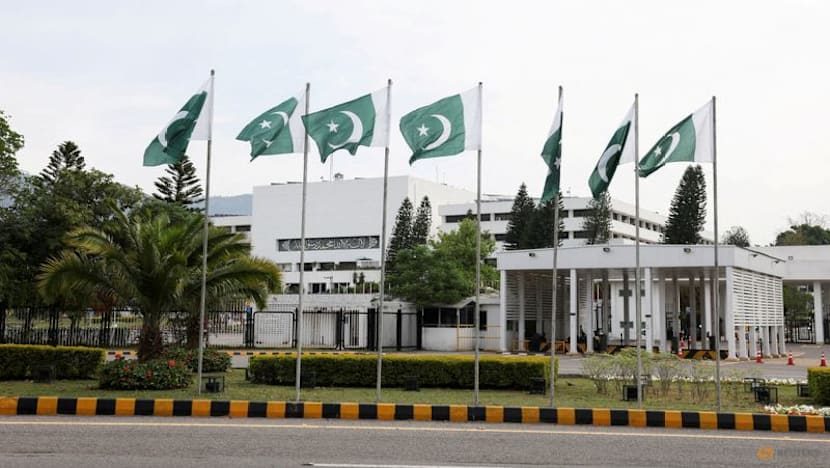
S&P Global upgraded Pakistan's sovereign credit rating to 'B', reflecting successful IMF-backed fiscal reforms that are lowering debt risks and improving the country's access to international capital.
S&P Global upgraded Pakistan's long-term sovereign credit rating to "B" from "B-" on Wednesday, keeping the outlook at "stable". The move reflects improved institutional strength and Islamabad's successful execution of an IMF-backed economic adjustment programme.
For fixed-income investors, the single-notch upgrade validates a turnaround in the country's fiscal trajectory. S&P highlighted that government efforts to widen the tax base have yielded tangible results, improving revenue collection and accelerating fiscal consolidation. This structural shift is critical because it supports a gradual decline in the country's debt burden, directly benefiting sovereign bondholders by lowering default risks.
The agency's assessment points to a significant repair of Pakistan's external buffers. Alongside continued foreign inflows, recent tax reforms have strengthened the country's defenses against external shocks. These adjustments have successfully rebuilt foreign exchange reserves and eased the severe strains previously evident on Pakistan's fiscal and external positions. This macroeconomic stabilization is a prerequisite for sustained investor confidence.
The stable outlook rests on the expectation that official financing will remain sufficient to cover Pakistan's external obligations through the coming year. Market professionals can take this as a signal that the rollover of commercial credit lines will proceed without disruption over the next 12 months.
The rating action coincides with Islamabad's pursuit of a proposed $10 billion exchange stabilization facility from the United States. Securing this capital would provide a fresh cushion for foreign exchange reserves and relieve downward pressure on the rupee. Crucially, it would diversify funding sources away from multilateral lenders, complementing the tighter fiscal and monetary policies mandated by the IMF.
S&P projects economic growth of 3.5 per cent for Pakistan in fiscal year 2027. This expansion would occur alongside continued disinflationary progress. Furthermore, the agency believes the rebuilt buffers insulate the economy from overseas turbulence, anticipating only limited inflationary impacts should the Middle East conflict trigger an energy price shock.