Brent tops $95 as Hormuz and Red Sea disruptions tighten supply
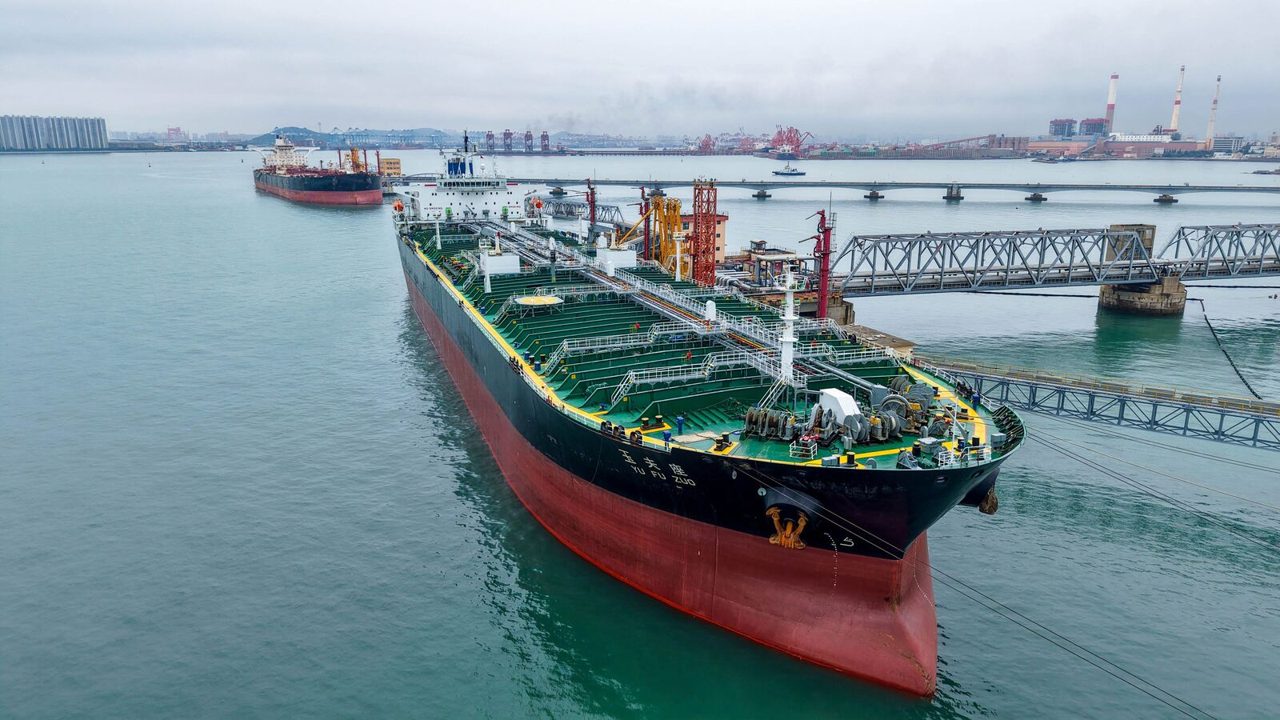
Brent crude surged above $95 a barrel as military strikes and attacks on tankers triggered severe physical supply disruptions and steep backwardation in the futures market.
Brent crude futures climbed $4.43, or 4.87%, to $95.44 on Wednesday, marking the highest level since June 11. The sharp rally extended a month-long surge driven by supply threats across the Middle East and the Black Sea. These disruptions have overshadowed fleeting hopes for US-Iran diplomacy, leaving oil markets highly volatile as investors weigh the risk of further escalation.
The immediate strain on global supplies is visible in the futures curve. Both Brent and WTI front-month contracts are trading in a bullish backwardation structure exceeding $3 per barrel. This represents a massive premium compared to the few cents typically seen in normal market conditions, reflecting intense near-term supply anxiety.
Physical disruptions are rapidly reshaping global trade flows. Three oil tankers were attacked near Oman in the Strait of Hormuz, prompting the US military to conduct an 11th consecutive day of strikes against Iranian targets. US Central Command stated the strikes aim to weaken Tehran's ability to threaten commercial shipping. Despite the waterway technically remaining open, commercial traffic has fallen to its lowest level in three weeks.
The supply concerns extend well beyond the Persian Gulf. Multiple attacks have targeted the Caspian Pipeline Consortium terminal on Russia’s Black Sea coast, a critical export route for Kazakhstan crude. In the Red Sea, the Joint Maritime Information Center warned that Houthi militants have deployed missiles and drones in preparation for attacks on commercial vessels.
These threats are already altering Saudi Arabia's export logistics. Several tankers carrying Saudi crude slowed or reversed course toward the Suez Canal rather than risk Yemeni waters. The kingdom has increasingly relied on the Red Sea to reroute crude via pipelines and bypass the Strait of Hormuz entirely.
Diplomatic off-ramps appear blocked, reinforcing the market's risk premium. Iran's Mehr news agency reported that no formal negotiations with the US are underway, flatly rejecting assertions by US President Donald Trump that Tehran was "desperately" seeking talks. Trump reiterated warnings over Houthi disruptions in the Red Sea and threatened to target Pickaxe Mountain, a site tied to Iran's nuclear program.
Analysts warn the market is vulnerable to further price spikes. Bernstein projected Brent could exceed $100 a barrel before year-end if the conflict persists and OECD inventories continue to decline. Goldman Sachs also cautioned that a severe supply disruption scenario could return crude to triple digits, though the bank stressed this is not its base-case forecast.