STOXX 600 dips as tech falls, energy gains on Red Sea oil fears
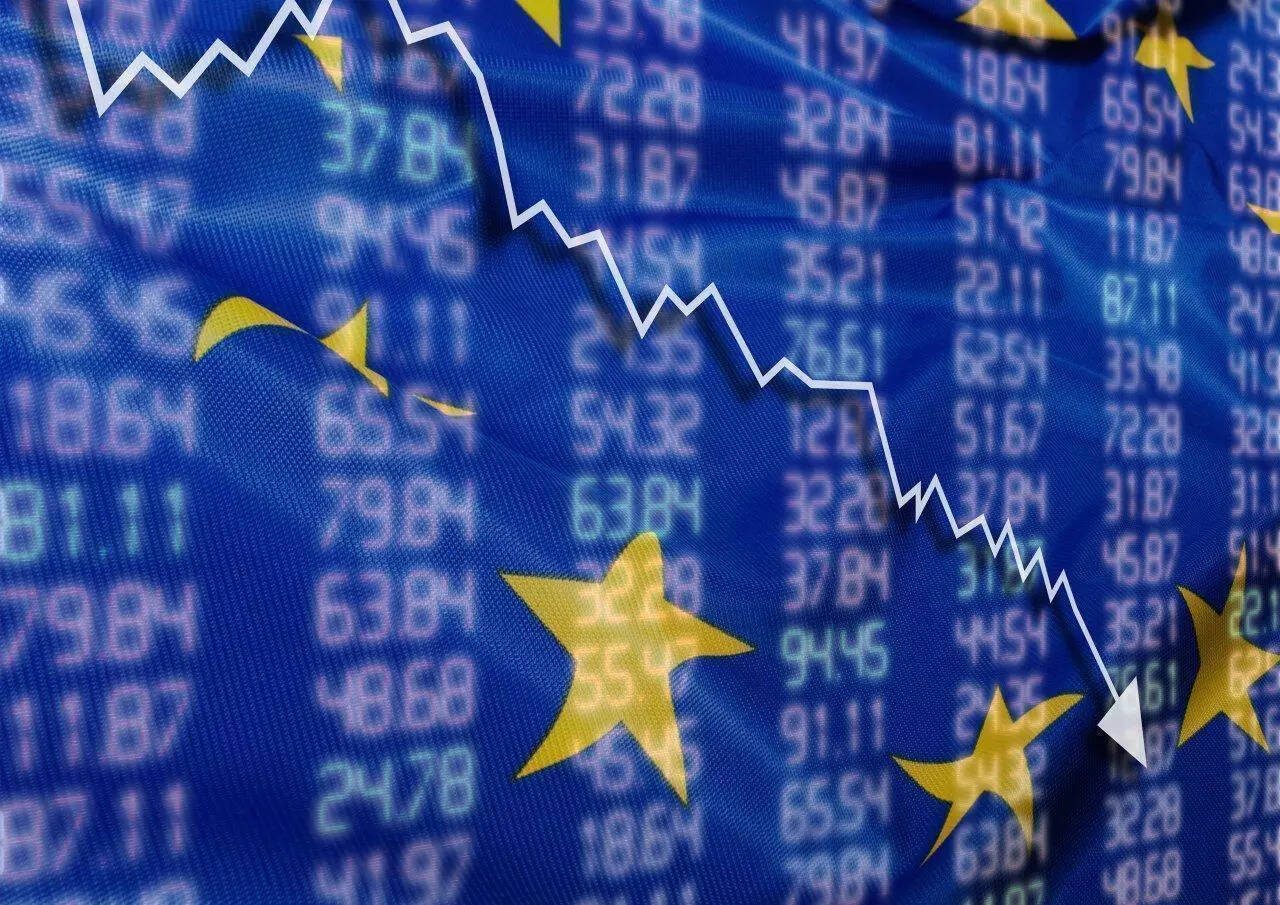
Europe's benchmark index slipped in early trading as investors trimmed technology positions ahead of major U.S. earnings, while energy stocks gained on renewed Middle East supply concerns.
The pan-European STOXX 600 index fell 0.3% to 641.12 points in early trading. Technology stocks dropped 1.7%, a decline that completely offset a 0.4% rise in the energy sector. This sectoral divergence highlights a broader market attempting to balance elevated geopolitical risks against the premium valuations currently assigned to artificial intelligence-related equities.
Investors are actively adjusting positions ahead of highly anticipated earnings releases from Alphabet and Tesla. These results will serve as a crucial test for the sustainability of the global tech rally. Until those figures arrive, traders are shedding risk in adjacent European hardware names. Semiconductor-linked firms Soitec and Aixtron declined 2.3% and 2.6%, respectively, reflecting a reluctance to hold European tech exposure ahead of Wall Street's verdict.
Energy stocks provided a counterweight to the tech selloff. Brent crude prices pushed higher following reports that three tankers transporting Saudi crude to Asian markets reversed their course in the Red Sea. The route changes were prompted by threats from Yemen’s Iran-backed Houthi group. By forcing tangible disruptions to oil transit, this escalation has effectively reinstated a geopolitical risk premium into global crude pricing.
Individual corporate results demonstrated that European investors are applying extremely strict filters to quarterly earnings. Santander slipped 1.3% despite delivering a 17% increase in underlying net profit for the second quarter. The bank's inability to translate a robust bottom line into share price gains indicates that baseline financial strength is already fully priced into European banking valuations.
In stark contrast, Hiab surged more than 10% to lead the STOXX 600. The Finnish load-handling equipment manufacturer attracted aggressive buying after reporting stronger-than-expected second-quarter order growth. The sharp divergence between Santander and Hiab illustrates a clear market imperative: capital is rotating away from steady financial metrics and toward companies that can prove concrete, forward-looking demand momentum.