Nigeria launches $500m farm programme to attract private capital
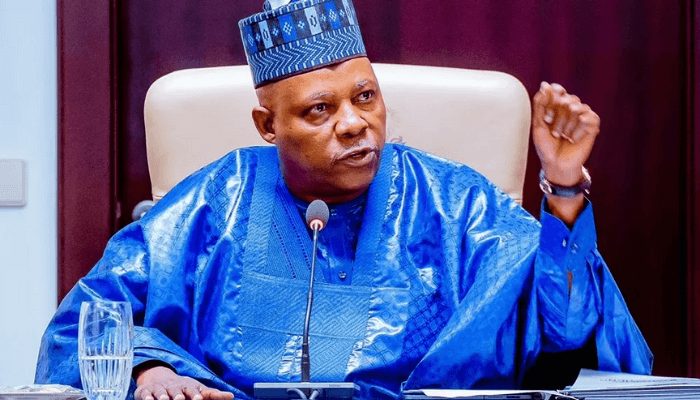
Nigeria is transitioning a $500 million World Bank agricultural programme to implementation across 32 states, a move the government hopes will attract private capital to a sector plagued by underinvestment and high inflation.
Nigeria has completed the design phase of its Sustainable Agricultural Value Chains for Growth Programme (AGROW) and is moving to implementation. Vice President Kashim Shettima announced the transition on Tuesday after receiving the final report from the National Technical Working Group.
The $500 million World Bank initiative will be driven primarily by subnational governments. Of the total financing envelope, $355 million, or 71 per cent, will be disbursed directly through 32 participating states. This structure delegates responsibility for productivity, infrastructure and market development to local authorities.
For investors, the programme represents a framework for Nigeria to commercialise a sector that has remained largely subsistence despite its macroeconomic weight. Agriculture accounts for 23 per cent of national GDP and sustains 34 per cent of the workforce. Mr Shettima noted the programme is specifically designed to be “capable of attracting the private investment required to move agriculture from subsistence to scale.”
However, the government openly acknowledged that public funds alone will not fix the structural deficits in the supply chain. “US$500 million cannot meet the scale of demand or close the gaps accumulated over decades in extension services, infrastructure, technology, processing and market access,” the Vice President said. “The appetite is evident. The resources are not yet sufficient.”
This funding gap is the core metric for market professionals. By stating the capital requirement explicitly exceeds the World Bank’s commitment, Abuja is signalling to private equity and debt providers that state-level agricultural infrastructure is open for business.
The urgency stems from the direct link between farm yields and Nigeria's broader economic pressures, particularly food inflation and foreign exchange reserves. “When yields rise, food prices ease, rural incomes recover, industries receive raw materials, and the pressure on our cities and foreign reserves begins to relax,” Mr Shettima said. “When yields fall, the entire economy discovers the price of hunger.”
By decentralising the programme's execution, the federal government is effectively testing whether state-level administrations can deliver the structural reforms needed to de-risk agricultural supply chains. The success of AGROW will likely determine if private capital follows the World Bank's initial $500 million commitment into Nigerian agribusiness.