White House directs $5bn to AI science, overhauls research funding
The Trump administration is directing $5 billion toward AI-driven scientific research, a move that shifts federal funding away from universities and could accelerate drug discovery and materials science.
The White House announced a $5 billion initiative to apply artificial intelligence to long-standing scientific challenges, targeting chronic disease research, drug discovery, and the development of advanced building materials. The funding will draw on 15 federal agencies, including the Departments of Health and Human Services, Energy, Defense, Transportation, and Interior.
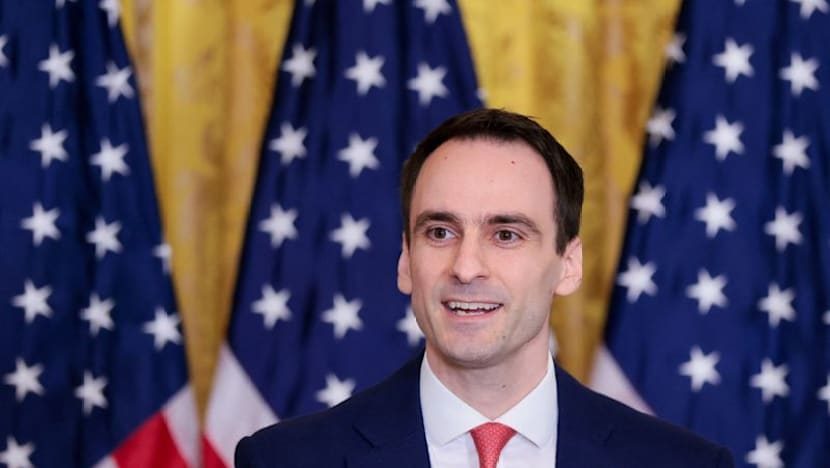
Scientists participating in the program will gain access to Department of Energy supercomputers alongside massive, proprietary government datasets covering chemicals, critical minerals, and patient health records. Michael Kratsios, chief technology adviser to President Donald Trump, said this infrastructure creates a distinct opportunity to train AI models on federal data to automate decisions and generate scientific predictions.
The private sector is positioning itself alongside the federal push. Microsoft will supply $40 million in AI computing credits over three years to support the effort. For technology and cloud computing providers, the initiative signals sustained, government-backed demand for advanced AI processing capabilities.
However, the $5 billion deployment is paired with a structural shift in how Washington distributes research capital. A White House report released Tuesday night, authored by Kratsios, details plans to bypass traditional university funding pipelines. Instead, the administration intends to direct federal money to individual scientists utilizing AI. "Federal support for science must be politically accountable," the report stated.
This push to centralize control over research spending introduces new political risk for academic medical centers and research universities that have historically relied on federal grants. Federal courts have already pushed back against the administration's attempts to restructure scientific funding. In January, an appeals panel ruled that the Trump administration cannot cut National Institutes of Health grant funding previously awarded to universities for scientific and medical research.
"The White House is helping bring together all of the different agencies that work on different domains to make them part of this larger effort on AI for science," Kratsios said. For investors, the program establishes a direct conduit between federal data assets and commercial AI development, even as the broader overhaul of research funding faces unresolved judicial scrutiny.