Reeves hands Burnham sluggish economy ahead of UK leadership handover
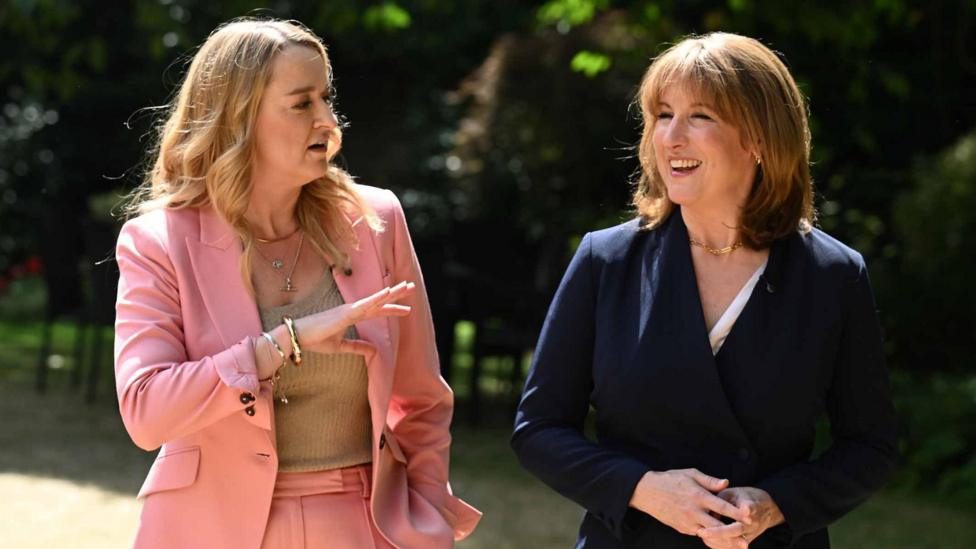
Outgoing Chancellor Rachel Reeves is passing a fragile economy to incoming Prime Minister Andy Burnham, warning him to have a concrete plan as businesses reel from tax hikes and the Bank of England flags potential interest rate increases.
Rachel Reeves has used her final major interview as chancellor to warn incoming prime minister Andy Burnham that he must arrive at Downing Street with a fully formed economic strategy. "It is important that when Andy walks through that door he has a worked-through plan, because governing is hard in Britain, and lots of challenges and shocks will come his way," she told the BBC. Burnham is expected to take office in just over a week.
Reeves defended her two-year tenure by pointing to reduced government borrowing costs, inflation falling from its peak, and GDP growth outpacing the UK's nearest competitors. She credited her decisions as the first female chancellor with creating a "rock of stability and trust." She argued that "Andy will take over an economy that is much stronger than the one I inherited from the Conservatives just two years ago."
The macroeconomic data suggests a far more fragile handover. Inflation remains above target and is forecast to climb, while the Bank of England recently cautioned that interest rates may need to rise. National debt is on track to be higher at the end of this parliament than when Labour entered government. Furthermore, the latest figures from the Office for National Statistics show household disposable income is falling.
For the corporate sector, Reeves's tenure is defined by a sharp deterioration in relations following her decision to hike National Insurance taxes for employers. A City source noted the policy had an immediate impact on hiring. "There was so much goodwill, but it was genuinely staggering - it just went in a few weeks," the source said, confirming the tax hikes led directly to staff layoffs.
A former senior minister offered a blunt assessment of why the government failed to translate its mandate into economic momentum. "By the time she found that things were different, with tight public finances, mushrooming welfare, and the economy stuck in a low-growth trap, she had used up all her political capital and was unable to win the big arguments on welfare reform," they said.
Burnham inherits an economy characterised by constrained public finances and a central bank threatening tighter monetary policy. For markets, the mix of rising inflation, potential rate hikes, and falling disposable income points to a difficult environment for domestic consumption and corporate earnings. "People are impatient for change - I'm impatient for change and I totally get that people want to see their lives changed faster," Reeves admitted.