Indian pharma stocks fall on Trump's proposed 200% generic tariffs
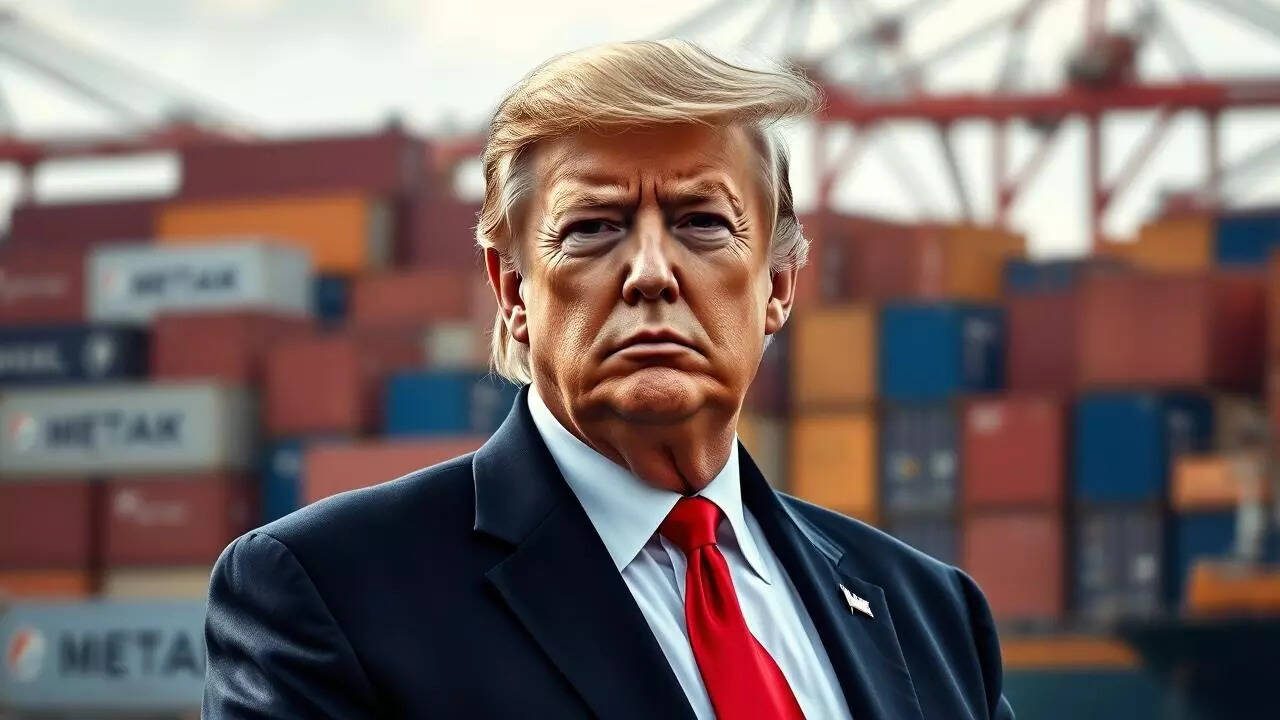
Donald Trump's plan to impose tariffs of up to 200% on generic drugs sent Indian pharmaceutical shares lower, but transfer pricing structures and political timelines may blunt the long-term impact on the sector.
Donald Trump has announced a phased tariff structure on generic drugs, starting with no duties for two years before jumping to 100% and eventually 200% in August 2028. The move, which leaves existing tariffs on branded and patented drugs unchanged, triggered an immediate sell-off in Indian pharmaceutical stocks. Sun Pharma, Cipla, Dr. Reddy's, Lupin, Zydus and Alkem all dropped more than 2%.
The announcement targets a market segment that accounts for roughly 90% of US prescriptions and was previously spared from the administration’s trade actions. However, analysts argue the knee-jerk market reaction may overstate the eventual damage. Tushar Manudhane of Motilal Oswal Financial Services noted that Indian companies typically sell to the US through local subsidiaries, meaning the tariff would likely apply to the internal transfer price rather than the final retail price.
Furthermore, the proposed levies would not discriminate against India specifically. Because 90% of generic prescriptions in the US are imported, the tariffs would raise costs for all foreign suppliers competing in the market. The entire rationale for outsourcing pharmaceutical manufacturing to countries like India rests on production costs being 40% to 60% lower than domestic US alternatives.
Corporate exposure varies
The impact on individual Indian companies will depend heavily on their existing US manufacturing footprint. Aurobindo Pharma and Senores Pharmaceuticals already have substantial local production capabilities in the US. Dr. Reddy's, Lupin, Cipla and Zydus Lifesciences maintain a smaller but existing US manufacturing presence.
Conversely, Alkem Laboratories and Torrent Pharmaceuticals remain largely dependent on Indian manufacturing facilities and have limited exposure to US generics in their cash flow. Biocon relies on its plants in India and Malaysia for its biosimilar and generic products. Analyst Desai pointed out that while existing US facilities offer some mitigation, a two-year window is far too short to relocate the entire generic pharmaceutical value chain.
Political timing adds uncertainty
Implementation of the most severe penalties is also far from guaranteed. Trump's current presidential term concludes in January 2029, while the 200% tariff tier does not take effect until August 2028. This narrow political window leaves the ultimate fate of the policy highly dependent on the outcome of the next US election.
The phased structure is explicitly designed to force companies to build US infrastructure during the transition period. It complements the administration's most-favoured-nation drug pricing policy and its broader "America First" manufacturing agenda to reduce reliance on overseas supply chains.