China's July Politburo meeting draws market focus for stimulus cues
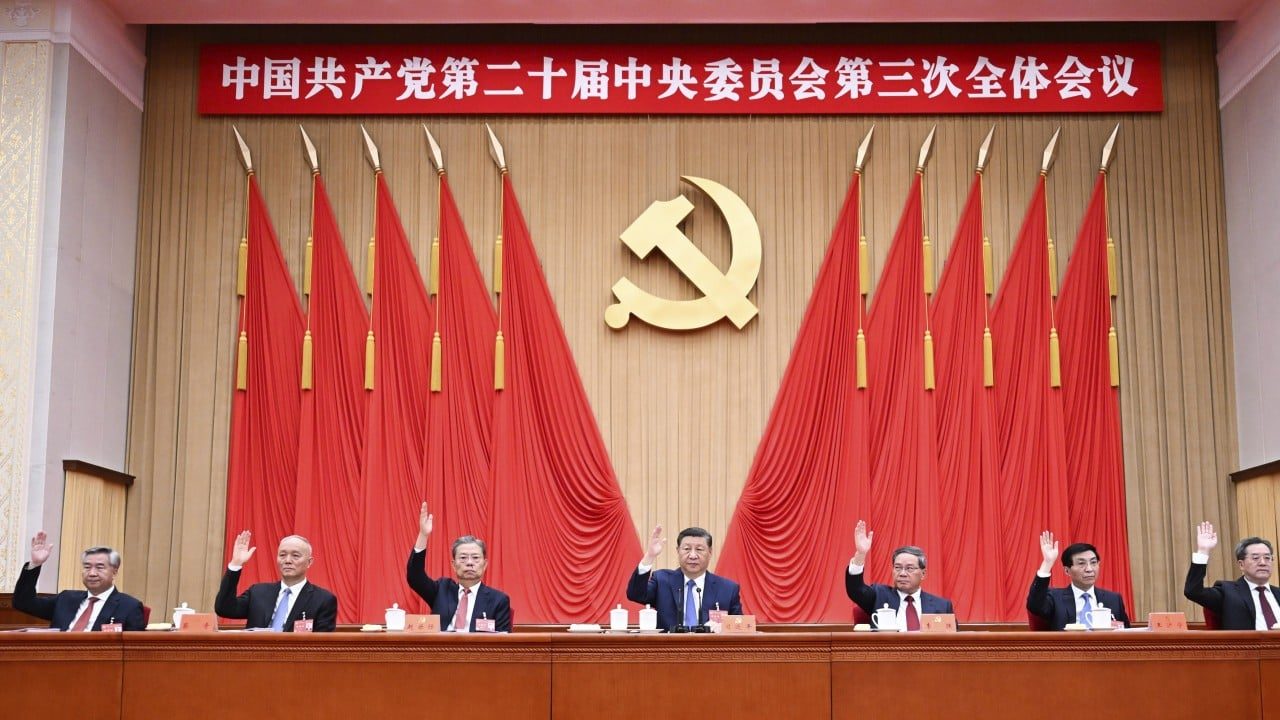
Investors are looking to China's upcoming July Politburo meeting for signals on stock market stimulus and whether policymakers will prioritise advanced technology over consumer spending in the second half.
State intervention has temporarily stabilised Chinese equity markets, but investors are now looking to next week’s Communist Party Politburo meeting for concrete signals on future economic support.
The shift in focus comes after a volatile session for the tech-heavy Star Market 50 index, which dropped 2.3 per cent on Wednesday. This decline followed an 11 per cent surge a day earlier, driven by direct state buying and coordinated regulatory efforts to prop up sentiment. For market participants, this sharp volatility underscores that while state funds can provide a floor, sustained equity rallies require clearer macroeconomic policy direction.
Expectations are building that President Xi Jinping and the prime decision-making body will set a constructive tone for the second half of the year. The latest economic data has pointed to an uneven recovery, prompting growing calls among investors for more robust support measures. “The July Politburo meeting may strike a positive tone on policies,” said Deng Lijun, an analyst at Huajin Securities. “We may see an acceleration of policy implementation in the near term to support consumer and technology industries.”
However, portfolio managers and corporate executives should carefully calibrate their expectations regarding the exact nature of that support. According to a recent Morgan Stanley report, the Politburo is likely to explicitly prioritise technological innovation over broad consumption. State resources are expected to tilt heavily toward artificial intelligence, quantum computing and advanced manufacturing.
This strategic allocation reflects the realities of the heightened technology race between China and the United States. Crucially, the bank's analysts noted that Chinese policymakers currently perceive consumption as a by-product of industrial upgrading and employment, rather than a primary policy lever to be pulled directly. For investors, this suggests that any second-half stimulus will be highly targeted toward strategic tech sectors, leaving broader consumer-facing stocks waiting on the sidelines for organic growth.