US Clears Multi-Decade Saudi Nuclear Deal for Firms
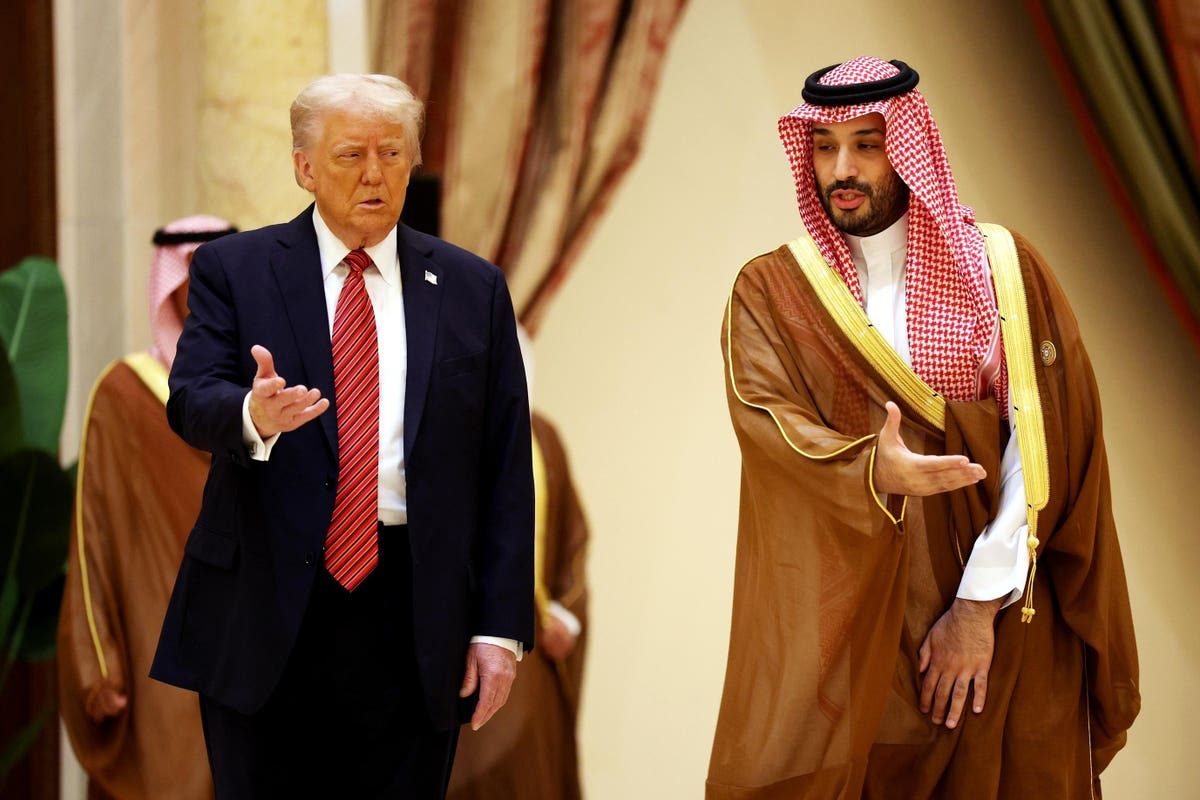
The Trump administration has approved a 30-year, multi-billion-dollar nuclear agreement with Saudi Arabia, opening a massive new market for American contractors despite significant geopolitical and congressional risks.
The Trump administration has approved a landmark civilian nuclear agreement with Saudi Arabia that will allow the kingdom to enrich uranium on its own soil. The 30-year deal, reportedly worth tens of billions of dollars, is expected to be formally signed and announced on Wednesday before being sent to Congress for review.
For American nuclear contractors and engineering firms, the agreement represents a massive, multi-decade revenue pipeline in a sector where large-scale infrastructure contracts are difficult to secure. The deal directly positions US companies to construct the kingdom’s civilian nuclear grid, potentially including an American-built uranium enrichment facility.
Geopolitical risk
That commercial upside, however, is deeply entangled with regional security risks. Saudi Crown Prince Mohammad Bin Salman has repeatedly linked his nation's nuclear pursuit to Iran's capabilities. "Saudi Arabia does not want to acquire any nuclear bomb, but without a doubt, if Iran developed a nuclear bomb, we will follow suit as soon as possible," he told CBS News in 2018.
He reiterated this stance in 2023, telling Fox News: "If they get one, we have to get one for security reasons, for balancing power in the Middle East."
These comments amplify the significance of the agreement's monitoring framework. Reports indicate the Saudi government only consented to limited international inspections of its future nuclear sites. This concession is aimed at preventing the diversion of enriched fuel for weapons, but it falls short of the standard safeguards typically demanded by Washington.
As a result, the deal is expected to face sharp scrutiny on Capitol Hill. Lawmakers from both parties have expressed concern about spreading nuclear technology in the Middle East while simultaneously trying to restrict Iran's program.
The diplomatic calculus has also shifted. Previous negotiations under the Biden administration conditioned a nuclear pact on Saudi normalization with Israel. Trump has abandoned that linkage, pushing the nuclear deal separately from his efforts to expand the Abraham Accords. For executives and investors, the immediate focus will be whether congressional opposition can derail the tens of billions of dollars in projected contracts.