UK inflation drops to 2.6%, easing BoE rate hike fears
A sharper-than-expected drop in UK inflation reduces immediate pressure on the Bank of England to raise interest rates, though analysts warn a July energy cap increase will likely reverse the trend.
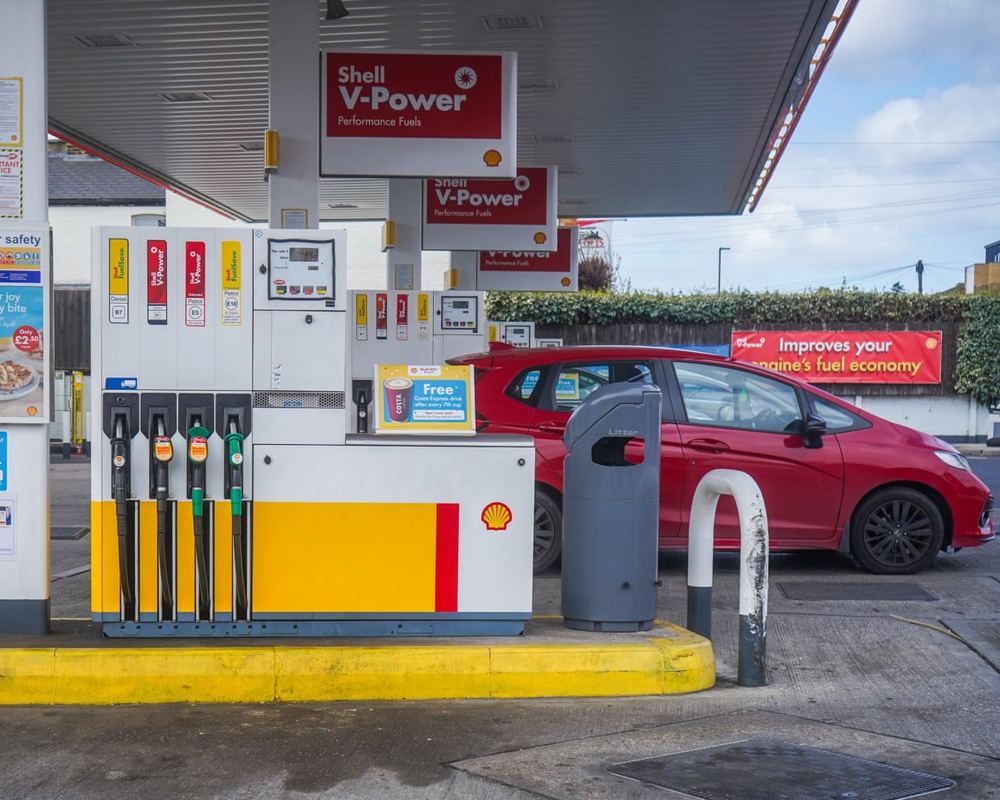
UK consumer price inflation fell to 2.6% in June, beating economists' expectations of a decline to 2.7% from 2.8% the previous month. The drop was driven by falling fuel prices, cheaper food, and steeper summer clothing discounts. This unexpected easing provides immediate relief for markets and policymakers worried about stubbornly high price growth.
The print is likely to dampen speculation of an imminent interest rate hike by the Bank of England. Several members of the monetary policy committee had recently signalled a willingness to push rates above their current 3.75% to combat inflation running persistently above the 2% target. With the headline figure moving in the right direction, the central bank now has more room to hold its fire.
Grant Fitzner, the ONS chief economist, noted that falling crude oil prices pushed raw material costs down for the first time since January. Food prices dropped, led by chocolate, margarine and beef, while the increase in costs for goods leaving factories slowed again.
Upward trajectory expected
Despite the June reprieve, forecasters expect the disinflationary trend to stall before reversing. Charlotte O’Leary, an associate economist at Niesr, warned that inflation will likely begin an upward trajectory from July through the first quarter of next year.
A 13% rise in the energy price cap took effect this month, and O'Leary noted the October cap is anticipated to remain elevated as cooler weather sets in. The new government's planned winter VAT holiday on electricity will alleviate some of this upward pressure, but O'Leary cautioned that its overall impact will be limited as energy costs feed into production.
Geopolitical risks add further weight to the inflationary outlook. Brent crude has climbed back above $90 a barrel following a recent escalation in Middle East hostilities. Joe Nellis, economic adviser at MHA, noted that while inflation remains far below the 4% year-end level the IMF projected in April, the deteriorating situation around Iran threatens to disrupt supply chains once again.
Crucially for investors, Niesr expects nominal pay growth to continue cooling, limiting spillover from higher inflation into wages. This dynamic should prevent a wage-price spiral, giving the Bank of England the flexibility to maintain rates at 3.75% even as the headline figure rises later this year.
The political response was split. Chancellor John Healey called the figures "news families want to hear" as the new Labour government under Prime Minister Andy Burnham announced a £2 cap on bus fares. Shadow chancellor Sir Mel Stride countered that inflation remained above target due to "Labour’s tax hikes and reckless borrowing".